Welcome to Vbond
Why Does Your Aluminum Composite Panel Bubble After Rain? The Real Reason Contractors Hide From You
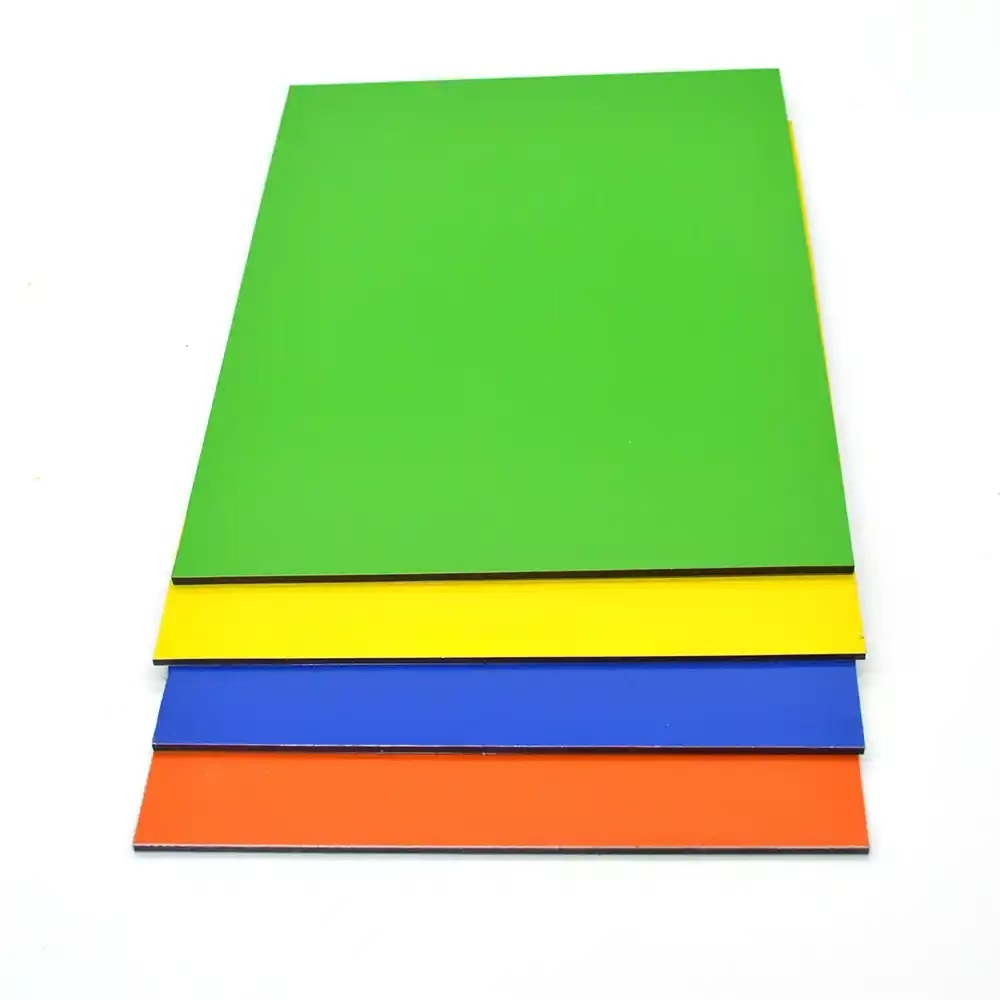
You’ve seen it before. A sleek, modern building facade looks flawless upon completion. But after the first heavy rain, ugly, raised blisters appear on the aluminum composite panels (ACPs). Contractors might blame the material quality or say it’s “normal weathering.” But if you are a procurement professional, you need to know the truth.
The real reason ACPs bubble after rain is rarely a manufacturing defect. It is almost always the result of moisture infiltration caused by poor workmanship—specifically, improper edge sealing, lack of drainage, and incorrect installation techniques. When contractors cut corners on these critical details, water gets trapped. Once trapped, the sun heats the panel, turning that water into vapor. The vapor expands, pressure builds, and your panel permanently deforms.
Here is the technical breakdown of why this happens and how to hold your contractors accountable.
1. The Scientific Mechanism: Water + Heat = Delamination
Aluminum composite panels consist of two thin aluminum skins bonded to a core—usually polyethylene (PE) or a mineral-filled fire-retardant (FR) material. This core is the panel's weak point regarding moisture.
While the aluminum skins themselves are non-absorbent and water-resistant, the edges of the panel are highly vulnerable. If the factory seal on the edge is compromised during cutting or if the site-applied sealants fail, water wicks into the core via capillary action.
Once liquid water sits inside the core:
1. Absorption: The core material (especially PE) does not absorb water like a sponge, but it traps it in microscopic voids.
2. Vaporization: When the sun hits the facade, the temperature behind the panel can soar past 60°C (140°F). The trapped water turns into steam.
3. Expansion: Water expands roughly 1,600 times in volume when turning to vapor. This immense pressure forces the aluminum skins to separate from the core, creating a visible blister or bubble.
The Hard Truth: A study on ACP durability suggests that while panels are designed to last 25 years, the "decay of initial delamination resistance" begins when exposed to heat and moisture. If your panel is bubbling, the bond is failing.
2. The Three Deadly Installation Sins Contractors Commit
Most contractors know how to install ACPs correctly. However, to save time or money, they often skip these steps. Here is what they are hiding:
Sin 1: The "Open" Secret of Edge Sealing
Standard ACPs are manufactured with a protective coating on the face, but the cut edge is raw. Every single cut made on-site for windows, corners, or custom sizing exposes the core.
- What they do: They leave the raw edge exposed or use cheap, non-compatible sealants.
- What they should do: They must apply a neutral-cure silicone or a specific edge sealer to every single cut edge before installation to prevent moisture ingress.
Sin 2: The "No Drainage" Gambit
A proper rainscreen system relies on a cavity behind the panels that allows air to flow and water to drain out. Contractors sometimes seal the top and sides tightly but forget to leave weep holes at the bottom.
- Result: Condensation and leaks have nowhere to go. They sit in the bottom track and soak into the bottom edges of the panels.
Sin 3: The Sealant Scam
Using the wrong sealant is a silent killer.
- Acetic-cure silicones (which smell like vinegar) release acids that corrode the aluminum and destroy the coating.
- Poor adhesion: If the sealant pulls away from the aluminum during thermal expansion (ACPs expand significantly in heat), water rushes into the gap.
3. Why Manufacturers Void Warranties Over This
If you try to claim a warranty for bubbling, the manufacturer will send a technician. They will look for one thing: Water infiltration due to faulty installation.
Most warranties explicitly exclude damage caused by:
- Improper storage or handling.
- Acts of nature (freezing, high winds).
- Installation errors (improper sealing, lack of drainage).
If a contractor tells you "the sun did it" or "the material is cheap," they are deflecting. The sun merely exposed the fact that they failed to waterproof the vulnerable edges and provide a path for drainage.
4. How to Fix and Prevent Bubbling (The Procurement Checklist)
As a procurement professional, you need to enforce standards before the check is signed.
A. In the Specification Phase
- Require V-Grooving Inspection: Ensure that when panels are folded (V-grooved), the remaining core thickness is uniform and immediately sealed.
- Specify the Sealant: Explicitly require neutral-cure silicone (e.g., Dow 795 or equivalent). Ban the use of acetic-cure silicones on site.
- Mandate Drainage: In your contract, require that the substructure design includes weep holes (minimum 6mm diameter) at the bottom of every vertical run to allow moisture to escape.
B. During the Walkthrough
- Check the Edges: Look at scrap pieces left on site. Are the raw edges sealed, or are they bare?
- The "Water Test": Ask the contractor how they plan to handle the transition at windows and corners. If they cannot explain their drainage strategy, do not release the next payment.
C. The Repair Protocol
If a panel is already bubbling, do not just replace it. If you do not fix the leak, the new panel will bubble too.
1. Remove the damaged panel.
2. Inspect the substrate. Find the water entry point (usually a failed joint or missing sealant).
3. Dry the substructure. Replace any wet insulation.
4. Seal the raw edges of the new panel with a compatible primer and sealant before installation.
Summary
Aluminum composite panels do not bubble because it rained. They bubble because water got inside them, and a lack of drainage kept it there. When a contractor blames the weather or the "quality" of the aluminum, they are hiding a lack of craftsmanship. The material is only as good as the installation. Without proper edge sealing and drainage, even the most expensive A2 fire-rated panel is destined to fail.






