Welcome to Vbond
Why High-Gloss Aluminum Composite Panels Require Special Handling
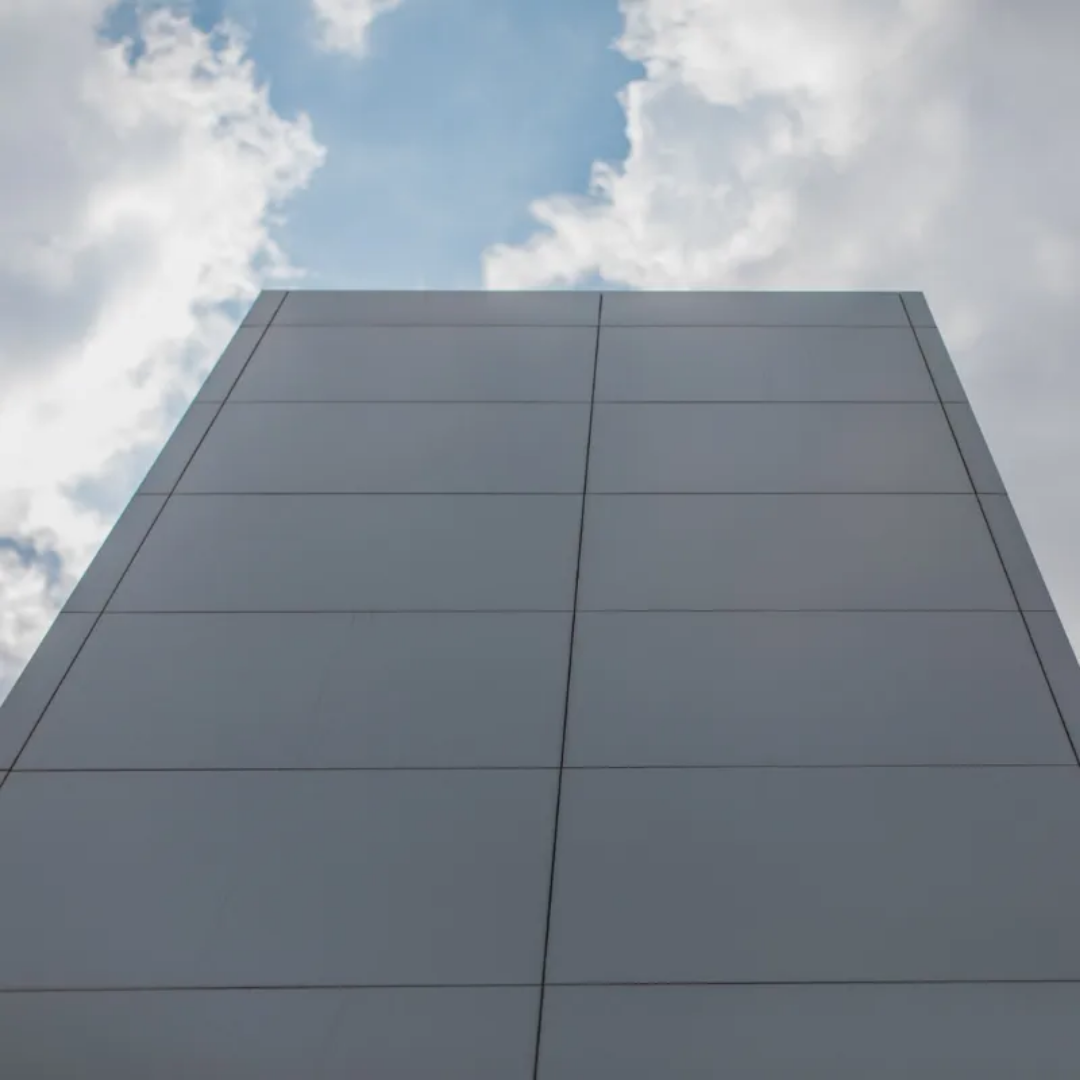
High-gloss aluminum composite panels (ACPs) deliver a striking, mirror-like finish that elevates any architectural project. Their ability to reflect light and create a sense of depth makes them a popular choice for feature walls, corporate lobbies, retail storefronts, and high-end residential facades.
However, this premium aesthetic comes with a critical caveat: high-gloss surfaces demand significantly more care than standard matte or semi-gloss finishes. Unlike textured or low-gloss surfaces, high-gloss ACPs reveal every imperfection—scratches, dust, fingerprints, and even subtle handling marks become immediately visible.
For procurement professionals and contractors, understanding why these panels require special handling is essential to delivering a flawless finished product and avoiding costly replacements. This guide explains the key challenges of high-gloss ACPs and provides actionable strategies for proper handling from delivery through final installation.
The Unique Vulnerability of High-Gloss Surfaces
The very quality that makes high-gloss ACPs visually appealing—their smooth, highly reflective finish—also makes them exceptionally vulnerable. Gloss levels of 70–85+ GU (gloss units) create a surface that shows imperfections far more readily than matte finishes at 5–25 GU.
Common issues include:
- Scratches and abrasions: Even minor contact with tools, fasteners, or rough surfaces can leave permanent marks.
- Fingerprints and smudges: Oils from bare hands are highly visible and require immediate cleaning.
- Swirl marks: Improper cleaning techniques can leave circular patterns that catch the light.
- Water spots: Improper drying after cleaning leaves visible mineral deposits.
- Protective film residue: Adhesive or plasticizer transfer from long-term film application can damage the lacquered surface.
Why Standard Handling Practices Are Insufficient
Most standard ACPs can tolerate routine handling during fabrication, transportation, and installation. High-gloss panels cannot. The consequences of improper handling range from aesthetic compromise to complete panel rejection.
The Protective Film: Your First Line of Defense
Every high-gloss ACP ships with a protective PE (polyethylene) film applied to the coated surface. This film serves as a barrier against scratches, dust, oil, and weather damage during transportation, storage, and installation .
Proper management of this protective film is critical:
- Keep the film intact. The protective film should remain in place from the moment panels leave the factory until the final stage of installation. Removing it prematurely exposes the delicate high-gloss surface to damage during subsequent construction activities.
- Never mark the film with permanent markers or tape. Solvents and plasticizers from adhesive tapes, stickers, or markers can penetrate the protective film and permanently damage the underlying lacquered surface.
- Remove the film promptly after installation. Prolonged exposure to UV radiation and weathering can cause the protective film to bond with the panel surface, making it difficult to remove and potentially leaving adhesive residue. Manufacturers typically recommend removing the film within 6 months of application[reference:3]. For panels stored outdoors, UV-resistant films may offer extended protection up to 12 months, but earlier removal is always safer.
Directional Installation Requirements
High-gloss and metallic finishes share an important characteristic: their appearance changes based on viewing angle. The coating application process creates a subtle directionality in how light reflects off the surface.
To avoid noticeable reflection differences across a single building facade, manufacturers print directional arrows on the protective film. All panels must be installed in the same orientation relative to these arrows—typically all pointing in the same direction (e.g., upward or left-to-right). Installing panels with inconsistent orientation creates visible shade variations that compromise the uniformity of the finished facade.
Advanced Solutions for Damage Prevention
Nanotechnology Anti-Scratch Coatings
The industry has responded to the challenges of high-gloss ACPs with innovative coating technologies. Nanotechnology-based anti-scratch coatings provide a robust solution by creating an exceptionally hard, durable surface layer that resists abrasion, fingerprints, stains, and chemical damage.
These advanced coatings offer:
- Enhanced surface hardness (pencil hardness up to 3H or higher)
- Fingerprint and smudge resistance
- Easy cleaning without harsh chemicals
- Protection during cutting, drilling, and installation
- Residue-free protective film removal
For procurement professionals, specifying panels with anti-scratch nanotechnology coatings significantly reduces the risk of handling damage and extends the service life of high-gloss facades.
Proper Storage and Temperature Control
Even before installation, high-gloss ACPs require controlled storage conditions:
- Ambient temperature: Store panels in a well-ventilated space between 10°C and 30°C (50°F–86°F). Avoid exposure to temperatures above 28°C (82°F), which can degrade protective films and affect panel flatness[reference:8].
- Moisture protection: Keep panels dry and away from direct sunlight, moisture, and chemicals that could harm the coating quality.
- Stacking limits: Never stack more than 5 pallets to avoid impressions on sheets and pallet skidding.
- Storage duration: Storage should not exceed six months. Extended storage can make protective film difficult to remove.
Handling During Fabrication and Installation
Fabrication steps—cutting, routing, drilling, and bending—present significant risks to high-gloss surfaces. Implement these precautions:
- Work on clean, padded surfaces. Use soft blankets or foam padding on fabrication tables to prevent scratching.
- Cover work surfaces. Never place panels directly on rough or dirty surfaces.
- Use sharp, clean cutting tools. Dull blades generate heat and burrs that can damage the coating.
- Protect adjacent panels. When installing, ensure tools and fasteners do not contact neighboring panels.
- Handle with clean gloves. Oils and dirt from bare hands leave visible marks that may be difficult to remove.
- Avoid over-tightening fasteners. Excessive pressure can dent the aluminum skin and crack the coating around fastener heads.
Cleaning and Maintenance Protocols
Even with perfect handling during installation, high-gloss ACPs require proper cleaning protocols to maintain their appearance:
- Use low-pressure water rinses. High-pressure washers can lift or damage the coating if used too close to the surface.
- Apply mild, pH-neutral detergents. Avoid strong acids, alkalis, bleach, ammonia, and abrasive powders which can strip protective coatings.
- Wipe with soft microfiber cloths. Never use steel wool, hard brushes, or rough fabrics. Use straight strokes rather than circular motions to avoid creating visible swirl marks.
- Rinse thoroughly. Residual detergent can leave streaks or attract dirt.
- Dry with a clean, lint-free microfiber towel.This prevents water spots that are highly visible on glossy surfaces.
What Procurement Professionals Should Specify
To ensure successful high-gloss ACP projects, incorporate these requirements into procurement documents:
1. Specify anti-scratch nanotechnology coatings for enhanced durability.
2. Require manufacturer handling guidelines to be included with every shipment.
3. Confirm protective film specifications including UV resistance rating and recommended removal timeframe.
4. Mandate directional installation markings on all panels and require installers to follow arrow orientation.
5. Include storage requirements in subcontractor agreements.
6. Request certified installer training for high-gloss product lines.
7. Verify warranty coverage specifically for high-gloss finishes, including fading, scratching, and delamination protections.
Conclusion
High-gloss aluminum composite panels deliver exceptional visual impact, but their premium appearance demands commensurate care throughout the supply chain—from factory to finished facade. The difference between a stunning, mirror-like building envelope and a disappointing, marred surface often comes down to handling discipline.
For procurement professionals, the message is clear: specify advanced coating technologies, enforce strict handling protocols, and ensure all stakeholders understand that high-gloss finishes cannot be treated like standard building materials. When properly managed, high-gloss ACPs reward this attention with decades of brilliant, low-maintenance performance.