Welcome to Vbond
Why Low-Quality LDPE Core in Aluminum Composite Panel Leads to Massive Blistering Within 6 Months
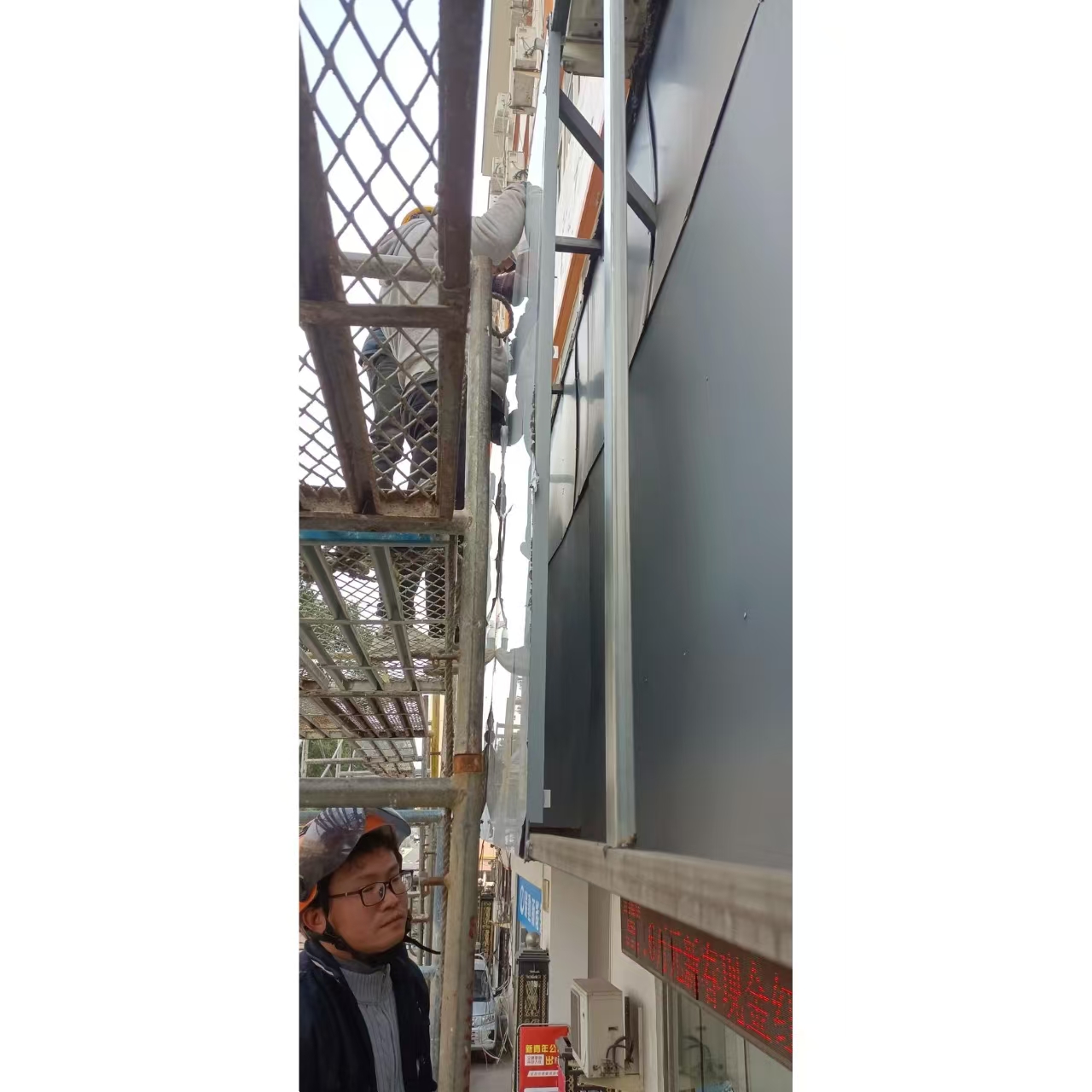
You’ve seen it before. A building gets a beautiful new aluminum composite panel facade. Within six months—sometimes less—the surface is ruined. Ugly, raised blisters dot the once-pristine panels. The developer is furious. The contractor is pointing fingers. And the supplier has disappeared.
Here’s the uncomfortable truth the low-cost suppliers don’t want you to know: The blistering is not bad luck. It is chemistry. Specifically, it is the predictable failure of low-quality Low-Density Polyethylene (LDPE) cores.
While reputable manufacturers engineer their cores for stability, cheap LDPE is inherently volatile. It expands aggressively in heat, absorbs moisture, and—most critically—contains unregulated chemical additives that react with the aluminum skin to create massive gas bubbles from the inside out.
If you are specifying standard PE-core ACP for exterior use, you are not saving money. You are buying a warranty claim.
1. The Core of the Problem: Why LDPE is Volatile
The core of a standard ACP is designed to be lightweight and flexible. LDPE achieves this with a density of 0.91–0.94 g/cm³, making it easy to fabricate but inherently unstable in exterior conditions.
Here is what happens to a low-quality PE core once the sun hits the facade:
- Thermal Expansion (Heat Wicking): LDPE reacts violently to temperature changes. It has a coefficient of linear expansion of 200–400 ×10⁻⁶/K. In simple terms, cheap PE expands and contracts rapidly. When the aluminum skin heats up and tries to expand, the core pushes back at a different rate. This "thermal mismatch" creates internal stress that manifests as surface waviness and eventually adhesive failure.
- Low Melting Point: LDPE begins to soften at just 50°C (122°F). On a dark-colored facade in summer, surface temperatures can easily exceed 80°C. The core essentially starts to melt, losing its structural bond to the aluminum.
- Poor UV Resistance: Unlike mineral-filled cores, standard LDPE degrades under UV exposure. As the core breaks down, it loses volume, creating voids that allow the aluminum skins to separate and blister.
2. The "Dirty" Secret: Chemical Additives and Moisture Trapping
This is where low-quality LDPE fails catastrophically. To save money, cheap manufacturers use recycled or impure LDPE granules. These materials are laden with chemical additives—antioxidants, slip agents, and plasticizers.
When these additives segregate to the surface (a process called "blooming"), they react with moisture and the aluminum primer. Recent materials science research confirms that segregated antioxidant components can trap moisture, leading to "ultra-giant blistering" with bubble diameters exceeding one millimeter within minutes of exposure to humidity.
The Reaction Mechanism:
1. Contamination: Cheap LDPE contains unregulated additives (like phosphite antioxidants) .
2. Moisture Ingress: Humidity penetrates the panel edges or micro-cracks in the coating.
3. Gas Formation: The trapped moisture reacts with the trapped chemical agents and the adhesive interface.
4. Blistering: The reaction creates gaseous by-products. The pressure builds, forcing the aluminum skin away from the core.
In high-quality panels, manufacturers use virgin LDPE with stabilized additives and rigorous cleaning protocols. In low-quality panels, they skip the cleaning and use industrial waste. The result is a ticking chemical time bomb.
3. Why 6 Months? The Accelerated Aging Cycle
Why does this happen within six months specifically? Because of the seasonal lag.
- Installation (Spring/Summer): Panels are installed in moderate weather. The core is intact.
- First Heat Wave: The LDPE core expands and softens. Moisture trapped inside turns to vapor. Micro-blistering begins at the molecular level.
- First Rain: Water ingress through unsealed edges introduces more moisture. The trapped additives react, converting micro-blisters into macro-blisters visible to the naked eye.
Once the aluminum skin is raised, the structural bond is broken. You cannot "press" the blister flat. The panel is scrap.
4. The Procurement Fix: How to Reject Low-Quality LDPE
Stop accepting generic "PE Core" specifications. Add these three requirements to your purchase order to filter out defective materials:
A. Demand Virgin LDPE & MFI Testing
Require certification that the core is made from virgin LDPE (not recycled industrial waste). Request the Melt Flow Index (MFI) test results. Inconsistent MFI indicates the presence of contaminants that will cause delamination.
B. Force the "Heat & Humidity" Accelerated Test
Before shipping the bulk order, demand a factory witness test. Take a sample panel, cut the edges, and place it in a humidity chamber at 70°C for 48 hours. If it blisters or shows edge separation, reject the entire batch.
C. Specify Fire-Retardant (FR) or A2 Core
If the building is over 3 stories or in a humid climate, delete LDPE from the spec entirely. FR (Fire-Retardant) cores and A2 mineral cores have lower thermal expansion, higher melting points, and are chemically inert. They will not blister or warp like LDPE.
Conclusion
If your ACP supplier cannot provide proof of virgin LDPE and additive stability testing, they are selling you a product that will blister within the warranty period.
Cheap LDPE is not "value engineering." It is a facade failure waiting to happen. The chemical reaction between contaminated plastic and humidity is irreversible. Once those bubbles appear, the only fix is a costly reclad. Don't let your building become the next cautionary tale.






