Welcome to Vbond
Why PE Core Aluminum Composite Panels Are Being Banned Worldwide – And What Buyers Must Know
Why PE Core Aluminum Composite Panels Are Being Banned Worldwide – And What Buyers Must Know
A material once celebrated for its versatility and low cost has become one of the most controversial building products in modern construction history. Polyethylene (PE) core aluminum composite panels (ACPs)—the standard, combustible variant of composite cladding—are now banned, heavily restricted, or facing effective prohibition across multiple continents.
The catalyst was catastrophic. The 2014 Lacrosse apartment fire in Melbourne spread over 23 floors in just 11 minutes. The 2017 Grenfell Tower fire in London claimed 72 lives. Both buildings were clad in PE core ACPs. Both fires could have been prevented.
This guide explains why PE core ACPs are being banned worldwide, what regulatory landscape buyers now face, and—most importantly—what procurement professionals must know to protect their projects, their clients, and themselves from liability.
What Is a PE Core Aluminum Composite Panel?
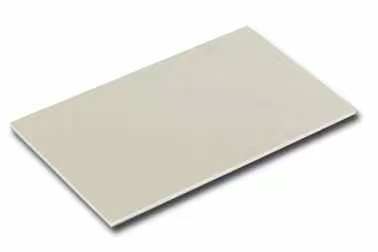
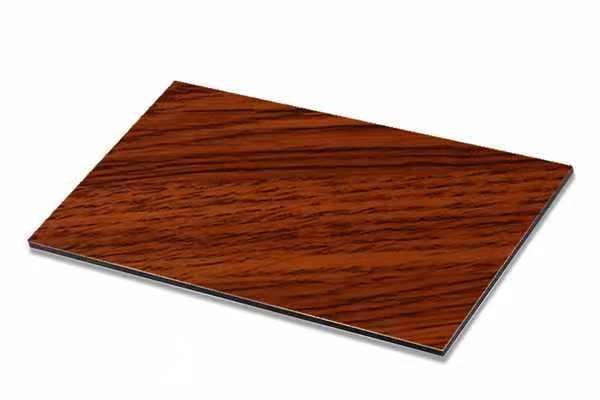
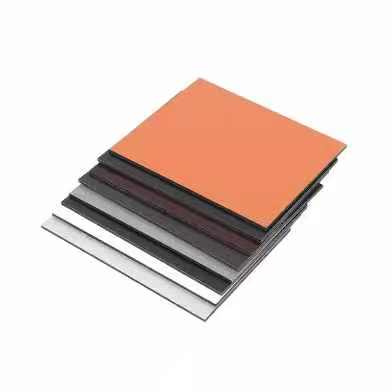
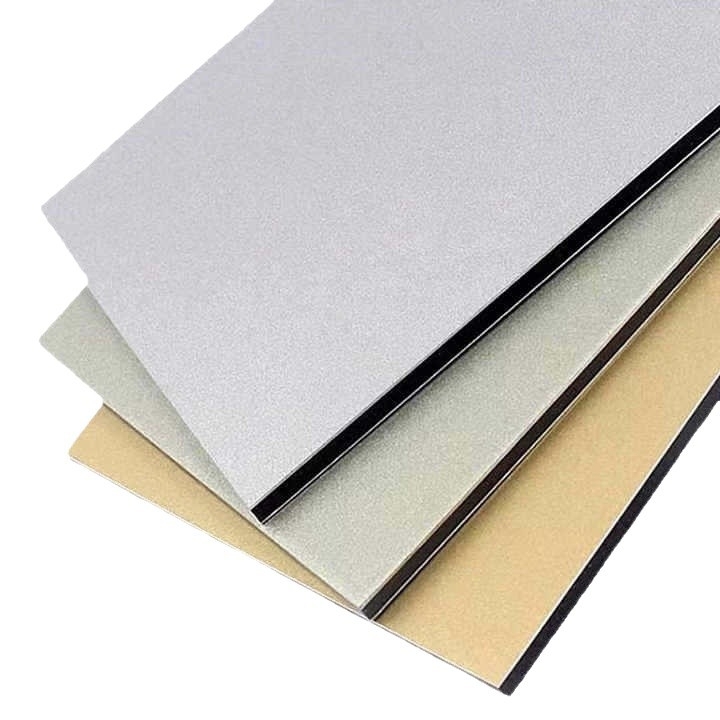
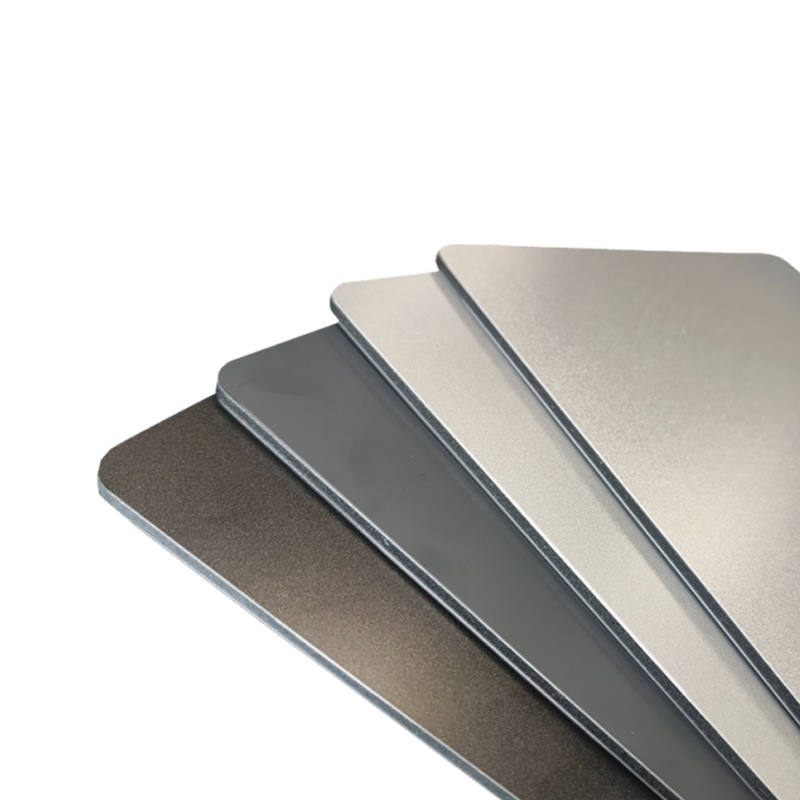
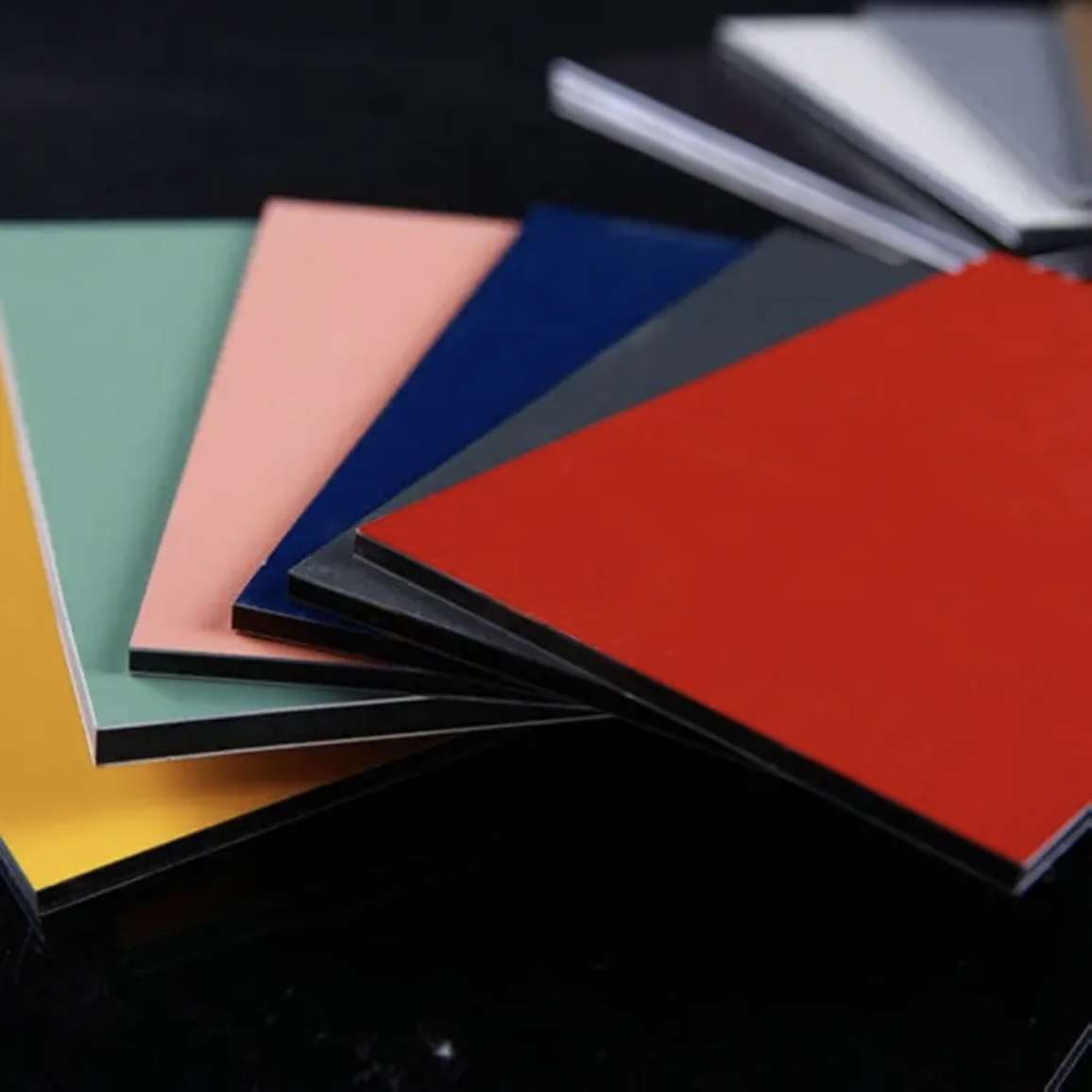
An aluminum composite panel consists of two thin aluminum skins bonded to a central core material. The core determines the panel's fire performance.
Core Type | Composition | Fire Performance | Status |
PE (Polyethylene) | 100% polyethylene | Highly combustible; melts and drips burning plastic | Banned in many jurisdictions |
FR (Fire-Retardant) | ~30% PE, ~70% mineral filler | Self-extinguishing; limited flame spread | Restricted; requires verification |
A2 Mineral Core | <10% PE, >90% mineral filler | Non-combustible; does not ignite | Compliant; recommended |
The problem with the PE core is not subtle. As Australian Fire Safety Engineer Tony Enright explained to Parliament: "A kilogram of polyethylene will release the same amount of energy as a kilogram of petrol". A one-square-meter section of PE core ACP contains the energy equivalent of approximately five liters of petrol.
The CSIRO tested PE core cladding from the Lacrosse building and found it "so combustible that the tests were abandoned after 93 seconds due to the potential for the equipment to be damaged".
The Fires That Changed the World
Lacrosse Apartments, Melbourne – 25 November 2014
The fire started on an eighth-floor balcony from an unextinguished cigarette. Within 11 minutes, it had traveled the full height of the 23-storey building.
Adam Dalrymple, then Director of Fire Safety at the Metropolitan Fire and Emergency Services Board, told a Senate committee:
"I have never seen a fire like this—in my lifetime—and I have made it my business to study fires of this nature... What we are saying here is that fire safety really should not be a matter of good luck."
The MFB noted that it was "fortunate that the installed fire sprinkler system operated well above its designed capability, preventing further internal spread." If not for that, there "could have been a greater likelihood of serious injury or even loss of life".
The cost to owners: The Owners Corporation is claiming more than $15 million in damages. Work has already cost $6.5 million, including almost $700,000 to dry out the building. An estimated $9 million more is required to remove and replace the remaining cladding.
Grenfell Tower, London – 14 June 2017
On a warm summer night, a small fire in a refrigerator on the fourth floor ignited the building's recently installed PE core cladding. Within minutes, flames raced up the exterior of the 24-storey residential tower. Within two hours, the whole building was alight.
The toll: 72 lives lost. Hundreds displaced. A global reckoning on building safety.
The Grenfell fire triggered immediate action worldwide. The United Kingdom launched widespread testing of similar buildings—165 buildings subsequently failed combustion tests and required recladding.
The Global Regulatory Crackdown
Australia: Nationwide Bans and Restrictions
Australia has one of the most comprehensive regulatory responses. The National Construction Code (NCC) baseline requires external cladding on Type A and Type B construction (most multi-storey buildings) to be non-combustible as defined by AS 1530.1:1994. PE core panels fail this test.
New South Wales has implemented one of the strictest regimes. The state banned aluminum composite panels with a core comprised of more than 30% polyethylene by mass for use in external cladding, walls, insulation, facades, or rendered finishes on specific building types.
Building Type | Affected Buildings | Penalty for Non-Compliance |
Type A construction | Class 2,3,9 buildings with ≥3 storeys; Class 5-8 buildings with ≥4 storeys | Corporations: up to $1.1 million; Individuals: up to $220,000 |
Type B construction | Class 2,3,9 buildings with ≥2 storeys; Class 5-8 buildings with ≥3 storeys | - |
Exceptions to the ban are extremely limited and require:
- Successful AS 1530.1 testing proving the product is non-combustible, OR
- Successful AS 5113 full-scale testing of the complete wall assembly, with a statutory declaration that installation matches the tested prototype
In practice, PE core panels cannot meet these exceptions.
Queensland identified approximately 12,000 privately-owned buildings requiring assessment, with an estimated 100-200 requiring remediation. The state also identified 71 government buildings with potential combustible cladding.
Victoria launched external wall cladding audits following the Lacrosse fire. The Victorian Building Authority found that "non-compliance in the use of external wall cladding materials is unacceptably high".
Multiple builders—including Diploma, Pindan, Psaros, Jaxon, and Probuild—have collapsed, leaving apartment owners to bear the cost of cladding replacement. At Sundance by Psaros in Scarborough, nearly $1 million was shared among apartment owners. At FLO in Rivervale, owners paid more than $10,000 per apartment.
United Kingdom: Ban on Combustible Cladding
Following Grenfell, the UK government announced an independent review of building regulations and fire safety. The government committed £5 billion to remove unsafe cladding from high-rise buildings. A House of Commons committee has estimated the total cost of the cladding crisis could eventually reach £15 billion.
The UK now effectively bans combustible cladding on buildings over 18 meters. All new high-rise residential buildings must use non-combustible materials.
New Zealand: Heightened Scrutiny
Following the Grenfell fire, an independent report by Dr. Tony Enright called for the suspension of six Certmark certificates for ACP products. The report found that UK full-scale tests demonstrated:
- ACP with PE core failed the external fire spread test regardless of the insulating material
- ACP with A2 core passed regardless of the insulating material
- ACP with FR core passed only with non-combustible insulation
The Auckland Council reviewed 209 high-rise buildings and identified 25 buildings with PE core panels linked to the Grenfell disaster.
Dubai: Full Ban on Combustible Cores
Following multiple high-rise fires, the UAE changed its building codes to not allow the use of combustible cores in cladding. The authorities now insist on full-scale testing for cladding on tall buildings.
The Role of Product Substitution and Fraud
One of the most significant findings from regulatory inquiries is that product substitution—deliberate replacement of specified compliant materials with cheaper, non-compliant alternatives—is a major driver of the cladding crisis.
John Thorpe, CEO of CertMark International, explained:
"Substitution occurs when a builder, or somebody involved in the purchasing process, is looking to save money. Basically, a company has won the tender, and the first thing that happens is they look to find savings."
A class action against German manufacturer 3A Composites alleged that cladding with polyethylene core was marketed as safe throughout Australia, despite being "wholly unsuitable" for use on facades. The court heard that Polyethylene has a "calorific value similar to petrol, diesel and natural gas".
Key finding from the 2026 Alucobond class action: The Federal Court of Australia ruled that the manufacturer was not liable for damages because any non-compliance was due to misuse by qualified professionals. The Court stated: "Manufacturers are entitled to assume that the market into which they supply goods is a law-abiding one. Consequences of non-compliance must fall on those who do not comply with the law rather than the manufacturer".
Critical implication for buyers: You cannot rely on manufacturer liability to protect you. Architects, engineers, builders, and procurement professionals bear responsibility for specifying and verifying correct products.
Why Certified Alternatives Are Essential
The table below summarizes the three main ACP types and their regulatory status worldwide:
Core Type | Composition | Combustibility | Global Regulatory Status |
PE Core | 100% polyethylene | Highly combustible | Banned in most jurisdictions for high-rise |
FR Core | ~30% PE, ~70% mineral filler | Self-extinguishing but combustible per AS 1530.1 | Restricted; requires verified test reports |
A2 Mineral Core | <10% PE, >90% mineral filler | Non-combustible (passes AS 1530.1) | Non-combustible (passes AS 1530.1) |
As one Australian manufacturer notes, while FR and A2 cores have different fire risks, all ACPs containing polyethylene are deemed combustible under the NCC 2019 Specification C1.9(e)(vii) when tested to AS 1530.1. For this reason, some industry experts recommend avoiding ACPs entirely for external wall cladding on Type A or B construction projects, instead specifying solid aluminum panels or extruded aluminum products, which contain no organic core material and are inherently non-combustible.
For A2 mineral core panels to achieve non-combustible status, the polymer binder level must be less than 10%. Given that pure PE has a calorific value of approximately 46 MJ/kg, reducing the binder to below 10% is technically challenging, requiring advanced mineral filler technology.
The Financial Consequences of PE Core ACPs
The "savings" from specifying lower-cost PE core panels are illusory. The long-term costs are staggering:
Cost Category | Typical Financial Impact |
Facade replacement | $15 million for the Lacrosse building |
Cladding removal | $50–150 per square meter |
New A2-certified panels | 2–3× price of PE panels |
Insurance premium increases | 255% increase (example: from $8,662 to $30,786) |
Legal defense and liability | $500,000+ |
Property devaluation | Often unsellable until remediated |
Special levies on apartment owners | $10,000+ per unit |
Real-world insurance impact: A Sydney unit complex in Five Dock saw its building insurance premiums jump from $8,662 to $30,786 between 2019 and 2024 due to Alucobond Plus cladding.
What Procurement Professionals Must Know
The Regulatory Baseline
In Australia, the NCC's Deemed-to-Satisfy provisions under C2D10 require external cladding materials to be non-combustible for Type A and Type B construction. PE core panels do not meet this requirement.
The Ban Details
NSW's ban applies to ACP with a core comprised of greater than 30% polyethylene by mass for:
- Class 2, 3, and 9 buildings with a rise in storeys of 3 or more
- Class 5, 6, 7, and 8 buildings with a rise in storeys of 4 or more
Personal Liability
The Design and Building Practitioners Act 2020 (NSW) requires registered practitioners to make design compliance declarations. The practitioner signing the declaration is personally accountable for the compliance of the cladding specified.
Insurance Implications
Insurers have responded to the cladding crisis by:
- Refusing to write business where any level of cladding is included
- Adding endorsements completely excluding cladding combustibility cover
- Increasing policy excesses and restricting indemnity limits
- Refusing to renew existing policies
A Cladding Product Safety Panel in NSW can issue warnings, restrictions, and bans on specific products.
Procurement Best Practices for Buyers
Stage | Action |
Specification | Never specify PE core ACP for any building over two storeys. Specify A2 mineral core (≥90% mineral filler) or solid aluminum panels. |
Verification | Require full test reports (AS 1530.1 or EN 13501-1 A2-s1,d0) from accredited laboratories. Do not accept certificate summaries. |
Contract | Include the right to test, the right to reject, and supplier liability for replacement costs. |
Inspection | Perform burn tests on sacrificial samples from every shipment. PE core ignites and melts; A2 does not. |
Documentation | Retain test reports, batch records, and retained samples for 10+ years. |
Legal review | Consult with legal counsel on liability exposure under state registration schemes. |
Conclusion
The global movement to ban PE core aluminum composite panels is not a trend—it is a necessary response to a lethal product. The evidence is overwhelming: PE core ACPs have caused catastrophic fires, billions in damages, untold legal liability, and 72 deaths at Grenfell Tower alone.
For procurement professionals, the path forward is clear:
1. Never specify PE core ACPs for any building where fire safety is a concern
2. Verify every shipment with burn testing and laboratory analysis
3. Document everything – retain samples, test reports, and batch records
4. Understand your liability – under state registration schemes, personal accountability attaches to specifiers
5. Specify certified A2 mineral core or solid aluminum panels for all high-rise applications
The world has learned the lesson of Grenfell, Lacrosse, and the countless buildings still wrapped in combustible cladding. The question is not whether regulators will act—they already have. The question is whether your project will be the next case study.
Specify safe materials. Verify every shipment. Reject non-compliant products. The cost of doing otherwise is simply too high.