Welcome to Vbond
The Role of Mock-Ups: Why Serious ACP Projects Build a Full-Scale Test First
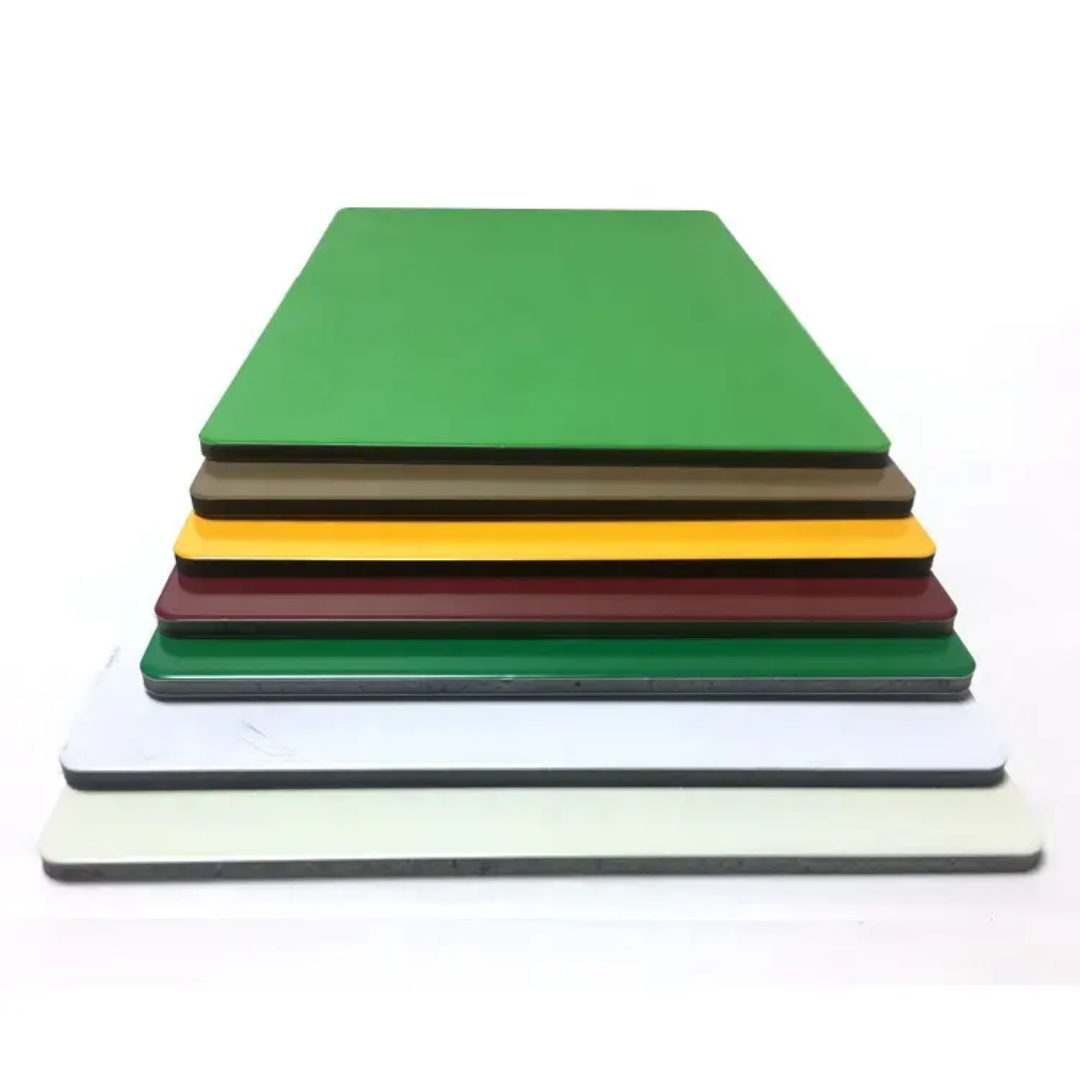
In the world of modern construction, Aluminium Composite Panels (ACP) have become a go-to material for architects seeking durability, versatility, and that sleek, modern aesthetic. However, the gap between a perfect digital rendering and a finished building facade is often filled with unforeseen complications. This is where the full-scale mock-up becomes an indispensable tool.
For serious contractors and project managers, building a physical, on-site mock-up isn’t just a box-checking exercise—it is a critical phase of risk mitigation. While digital tools have evolved, the physical mock-up remains the only true test of how materials, structures, and workmanship will converge. Here is why investing in a full-scale test first separates landmark projects from costly lessons.
1. Validating Visual Aesthetics and Material Realism
In the design phase, we rely on digital mock-ups and seamless textures to sell the vision to stakeholders. However, the way light plays off a physical ACP panel can differ dramatically from a screen image.
A full-scale mock-up allows the project team to assess the actual reflective index of the panel finish. For example, what looks like a subtle brushed aluminum in a PDF can, in direct sunlight, exhibit unwanted glare or, conversely, appear too dull. Furthermore, complex ACP textures aiming to replicate wood grain or stone veining can be verified for realism against the actual environmental context of the building site. By constructing a test section, stakeholders can approve the physical RAL or PANTONE hues under real sky conditions, ensuring the "wow factor" intended in the boardroom translates to the built environment.
2. Testing Structural Integrity and Tolerances
ACP facades are not just about looks; they are a structural skin that must withstand wind loads, seismic activity, and thermal movement. A full-scale mock-up serves as the first battleground for structural performance.
During installation, the interface between the ACP cladding and the sub-frame is critical. A mock-up reveals whether the engineered anchors and sliding clips function as intended. It allows the team to physically measure if the tolerances of the building structure align with the precise requirements of the panel system. If the concrete structure is out of plumb by a few centimeters, the mock-up will expose the need for adjustable brackets before hundreds of panels are fabricated. It is far cheaper to solve a geometry problem on a test rig than on a live scaffold.
3. Mastering Thermal Movement and "Oil Canning."
Aluminium composite panels are subject to significant thermal expansion. Data suggests ACP can expand approximately 2.3 mm per meter per 100°C temperature rise. A full-scale mock-up, left in situ during seasonal changes or subjected to heat cycling tests, demonstrates how the material behaves in reality.
This phase is crucial for identifying "oil canning" —that wavy, distorted look that can appear on flat metal panels under stress. By observing the mock-up under various temperatures, the installation team can refine joint spacing and tensioning techniques to ensure the facade remains flat and true for decades.
4. Preventing Water Ingress and Delamination
Weather tightness is arguably the most important function of a building envelope. Water ingress is a primary cause of ACP delamination, where the bond between the aluminium skin and the core (often PE, FR, or mineral) fails.
A full-scale mock-up allows for rigorous water penetration testing. It validates the design of overlap joints, drip edges, and back-baffled reveals. It also tests the workmanship of sealant application—are the sealant bead depths correct? Are the backer rods properly installed? By exposing the mock-up to simulated rain and pressure differentials, the team can ensure that moisture is directed out of the system, protecting the core and adhesive from the degradation that leads to delamination.
5. Refining Installation Logistics and Workmanship
Every ACP project is unique, and every installation crew has a different dynamic. A mock-up serves as a "dry run" for the installation sequence. It answers logistical questions:
- Can our cranes reach this area safely?
- Is the sequence of installing concealed channels and clip-in fixtures logical?
- How do we manage the transition from vertical to horizontal layouts at the corner?
This process provides an invaluable training ground for the installation team. It ensures that the skilled labor on site understands the specific nuances of the panel system, from cold-bending gentle curves to handling pre-cut cutouts. When the mock-up is signed off, it becomes the quality benchmark for the rest of the project—if the rest of the building doesn't look as good as the mock-up, it isn't acceptable.
Conclusion: The Wisdom of Full-Scale Testing
In the race to complete projects on time and under budget, skipping the mock-up phase can seem like a shortcut to savings. However, the construction industry is filled with cautionary tales of facade failures that trace back to assumptions made on paper.
Serious ACP projects understand that the mock-up is not an extra cost; it is an insurance policy. It is the bridge between the two-dimensional promise of a drawing and the three-dimensional reality of a legacy building. By building a full-scale test first, we ensure that the final structure is not only beautiful but fundamentally sound.






