Welcome to Vbond
Why Some Aluminum Composite Panel Colors Cost More Than Others
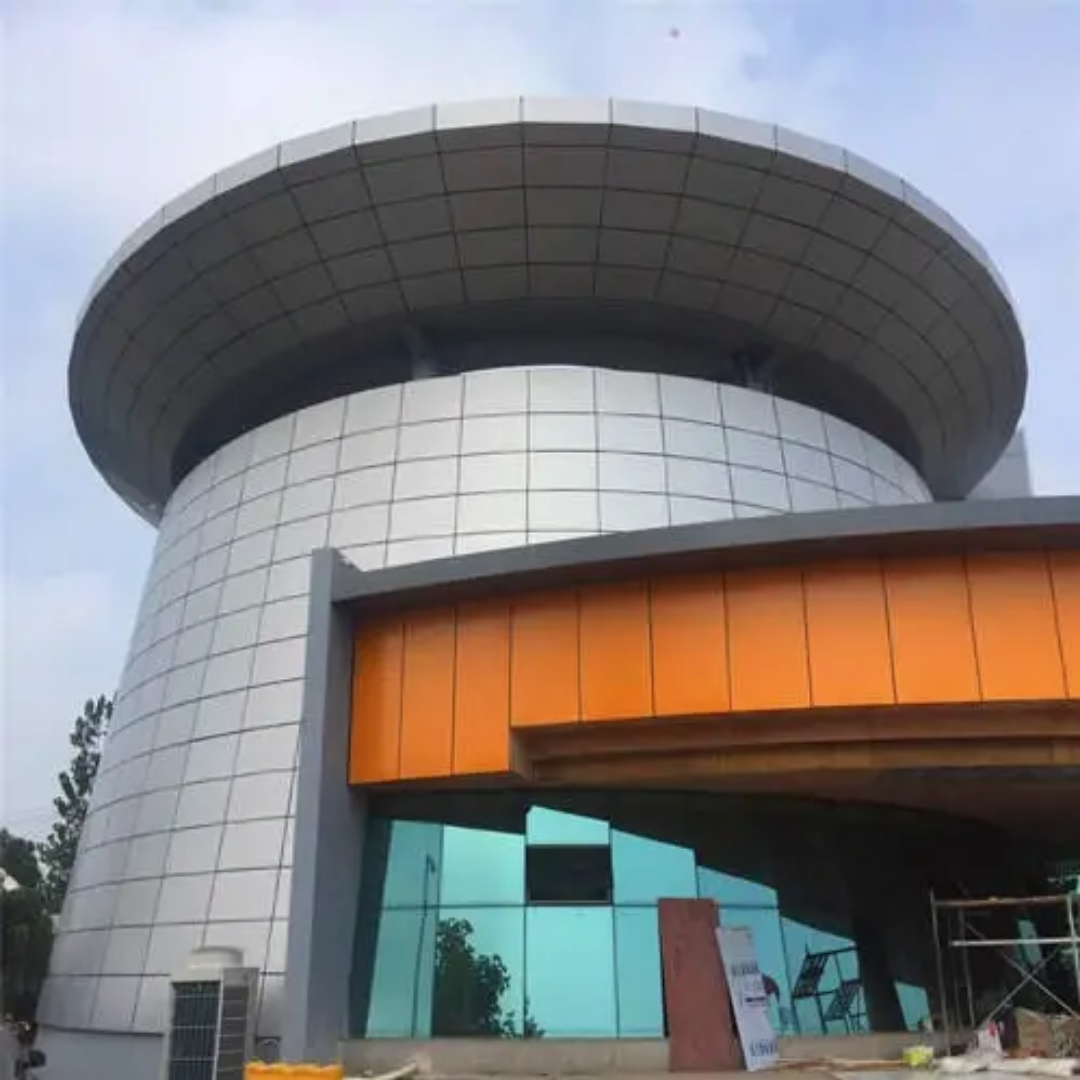
When specifying aluminum composite panels (ACPs) for a building project, procurement professionals often encounter a surprising reality: not all colors carry the same price tag. A standard white panel may fit comfortably within budget, while a vibrant red or a metallic silver of the same dimensions can cost significantly more. This price variation is not arbitrary. It reflects real differences in raw materials, manufacturing complexity, pigment chemistry, and quality assurance requirements.
Understanding why certain ACP colors command premium pricing is essential for making informed procurement decisions. This article breaks down the factors that influence color costs, helping you balance aesthetic goals with budget realities while ensuring long-term performance.
The Foundation: Coating Systems and Color Cost
Before examining specific colors, it is important to understand that the coating system itself is a primary cost driver. ACPs are coated with either polyester or PVDF (polyvinylidene fluoride) , with PVDF being the premium choice for exterior applications.
Coating Type | Cost Level | Characteristics |
Polyester | Standard | Suitable for interiors and mild climates; 5–10 year lifespan |
PVDF (70% Kynar® or equivalent) | Premium | Superior UV resistance, color retention, and durability; 20–30 year lifespan |
Within each coating system, color variations create additional cost differences. The following factors explain why.
1. Pigment Chemistry: Organic vs. Inorganic
The most fundamental factor affecting color cost is the type of pigment used to achieve the desired hue.
Inorganic Pigments
Inorganic pigments are derived from natural minerals—iron oxides, chromium oxides, titanium dioxide, carbon black. They are:
- Chemically stable and resistant to UV degradation
- Relatively inexpensive to produce
- Limited in color range (earth tones, whites, blacks, muted blues and greens)
Colors achieved with inorganic pigments—such as whites, beiges, grays, browns, olives, and blacks—typically fall into the standard or mid-range pricing tier.
Organic Pigments
Organic pigments are carbon-based compounds synthesized through complex chemical processes. They produce vibrant, saturated colors that inorganic pigments cannot match—bright reds, oranges, yellows, vivid blues, and intense greens.
Organic pigments are:
- More expensive to manufacture due to complex synthesis
- Less UV-stable than inorganic alternatives, requiring additional stabilization
- Essential for brand colors and high-impact facades
Bright reds (like RAL 3020), vibrant oranges (RAL 2004), and intense yellows (RAL 1023) typically carry premium pricing because they require high-quality organic pigments with specialized UV stabilizers.
2. Color Rarity and Demand
The law of supply and demand applies to ACP colors. Manufacturers maintain inventory of frequently specified colors—whites, grays, blacks, and standard RAL shades—producing them in high volumes that drive down per-unit costs.
Conversely, rarely specified colors require:
- Special production runs with dedicated setup time
- Custom pigment sourcing that may involve minimum order quantities
- Changeover costs as manufacturing lines are cleaned and reconfigured between runs
A custom-matched color or a non-standard RAL shade will almost always cost more than a popular standard color, regardless of pigment chemistry.
3. Metallic and Effect Pigments
Metallic finishes—such as RAL 9006 (White Aluminum) and RAL 9007 (Gray Aluminum)—incorporate fine aluminum flakes or mica particles into the coating. These effect pigments add significant cost:
- Higher raw material cost: Metallic pigments are more expensive than standard color pigments.
- Complex application: Maintaining consistent orientation of metallic flakes during coating requires precise process control.
- Batch consistency challenges: Even slight variations in production can create visible differences, requiring more rigorous quality control.
Pearlescent, color-shift, and custom effect finishes represent the highest cost tier, as they combine multiple pigment types with specialized application techniques.
4. Color Stability and UV Resistance Requirements
For exterior applications, color must resist fading, chalking, and shifting under UV exposure. Achieving this stability is more expensive for certain colors.
Color Category | UV Stability | Cost Factor |
Whites, earth tones, blacks | Excellent with inorganic pigments | Standard |
Dark blues, dark greens | Good with mixed pigments | Mid-range |
Bright reds, oranges, yellows | Requires premium organic pigments + UV stabilizers | Premium |
Metallic finishes | Moderate; requires clear topcoat protection | Premium |
Manufacturers must incorporate UV absorbers, hindered amine light stabilizers (HALS) , and high-grade resins into coatings for vulnerable colors. These additives increase material costs but are essential to prevent premature fading.
5. Color Consistency and Batch Control
Colors that are difficult to reproduce consistently from batch to batch require additional quality assurance measures, adding cost.
- Metallic finishes require spectrophotometric monitoring throughout production to maintain consistent pigment orientation.
- Vibrant organic colors are sensitive to slight variations in coating thickness and curing temperature, necessitating tighter process controls.
- Custom-matched colors require laboratory development, sample approvals, and dedicated production runs—all of which add to the final price.
For projects demanding absolute color uniformity across large facades, the premium for consistent, high-quality production is justified by the avoidance of costly mismatches.
6. Gloss Level and Surface Texture
Gloss level and texture also influence cost, often interacting with color selection:
- High-gloss finishes: Require smoother base surfaces, more precise application, and careful handling. High-gloss versions of premium colors cost more than matte equivalents.
- Matte finishes: Increasingly popular, matte coatings sometimes require specialized matting agents that add to formulation cost.
- Textured finishes: Embossed wood grain or stone patterns add manufacturing steps, increasing cost regardless of underlying color.
7. Minimum Order Quantities and Customization
Standard colors are typically available in standard sheet sizes with no minimum order beyond standard packaging. Custom colors tell a different story:
- Custom color matching: Laboratory development fees typically range from several hundred to several thousand dollars.
- Minimum batch sizes: Custom formulations often require minimum production quantities (e.g., 1,000–2,000 square meters) to justify setup and material procurement.
- Spare panel requirements: For custom colors, specifiers are advised to purchase spare panels at the time of original order, increasing upfront quantity and cost.
For small projects or unique applications, these minimums can make custom colors disproportionately expensive compared to selecting a similar standard RAL shade.
Cost Tiers by Color Category
Cost Tier | Color Examples | Reasons |
Standard | White (RAL 9016), Light Gray (RAL 9002), Beige (RAL 1013), Black (RAL 9005) | Inorganic pigments, high production volume, easy consistency |
Mid-Range | Medium Grays (RAL 7016), Dark Blues (RAL 5002), Forest Greens (RAL 6002), Browns (RAL 8017) | Mixed pigment systems, moderate UV stabilization requirements |
Premium | Bright Red (RAL 3020), Vibrant Orange (RAL 2004), Intense Yellow (RAL 1023), Bright Blue (RAL 5010) | Expensive organic pigments, enhanced UV stabilization, tighter process control |
Premium Plus | Metallic Silver (RAL 9006), Metallic Gray (RAL 9007), Pearlescent, Color-Shift, Custom Matches | Effect pigments, complex application, batch consistency challenges, custom development |
Procurement Strategies for Managing Color Costs
Understanding color cost drivers allows procurement professionals to make strategic choices:
1. Prioritize Standard RAL Colors When Possible
RAL Classic colors are widely available, competitively priced, and easily matched across manufacturers. If your project does not require a unique brand color, selecting from the RAL Classic palette is the most cost-effective approach.
2. Budget for Premium Colors Early
If vibrant reds, bright yellows, or metallic finishes are essential to the design, anticipate the premium. Factor it into the project budget from the outset rather than facing unexpected cost increases during bidding.
3. Consider Long-Term Performance
A lower-cost polyester coating in a vibrant color may fade within 3–5 years, requiring costly replacement. Investing in premium PVDF with high-grade organic pigments delivers longer service life and better total cost of ownership.
4. Evaluate Metallic Alternatives
If a full metallic finish is cost-prohibitive, consider metallic accents combined with standard solid colors. This approach captures the premium aesthetic while controlling overall material costs.
5. Plan for Spare Panels
For premium or custom colors, include spare panels (typically 5–10%) in the initial order. Future attempts to match the color will be more expensive and may not achieve perfect consistency.
6. Request Full Transparency
Ask suppliers to provide clear breakdowns of cost drivers—pigment type, coating system, minimum quantities, and development fees. Transparency allows you to evaluate whether the premium aligns with project requirements.
The Value Proposition: Why Pay More?
While standard colors offer clear cost advantages, premium colors deliver value that justifies their higher price in many applications:
- Brand Identity: A signature color that distinguishes a corporate headquarters or retail location builds brand recognition and asset value.
- Architectural Impact: Vibrant or metallic colors create memorable, Instagram-worthy buildings that attract tenants and customers.
- Long-Term Durability: Premium PVDF coatings with high-grade pigments maintain their appearance for decades, reducing lifecycle costs.
- Regulatory Compliance: Some premium colors are specified to meet stringent fire safety or environmental standards that standard colors may not satisfy.
Conclusion
The price of an aluminum composite panel color reflects the real costs of pigment chemistry, manufacturing complexity, quality control, and long-term performance. White and earth tones, achieved with stable inorganic pigments in high-volume production, represent the baseline. Bright organic colors and metallic finishes require expensive raw materials, specialized application, and rigorous testing—and carry corresponding premiums.
For procurement professionals, the key is aligning color selection with project priorities. Where budget is paramount, standard RAL colors offer exceptional value. Where brand identity, architectural impact, or long-term durability drive decisions, the investment in premium colors is justified by the value they deliver.
By understanding the factors behind color costs, you can make informed choices that balance aesthetic vision with fiscal responsibility, ensuring that your facade investment performs beautifully for decades to come.