Welcome to Vbond
Why the Aluminum Composite Panel You Receive Often Differs from the Sample You Approved

Why the Aluminum Composite Panel You Receive Often Differs from the Sample You Approved
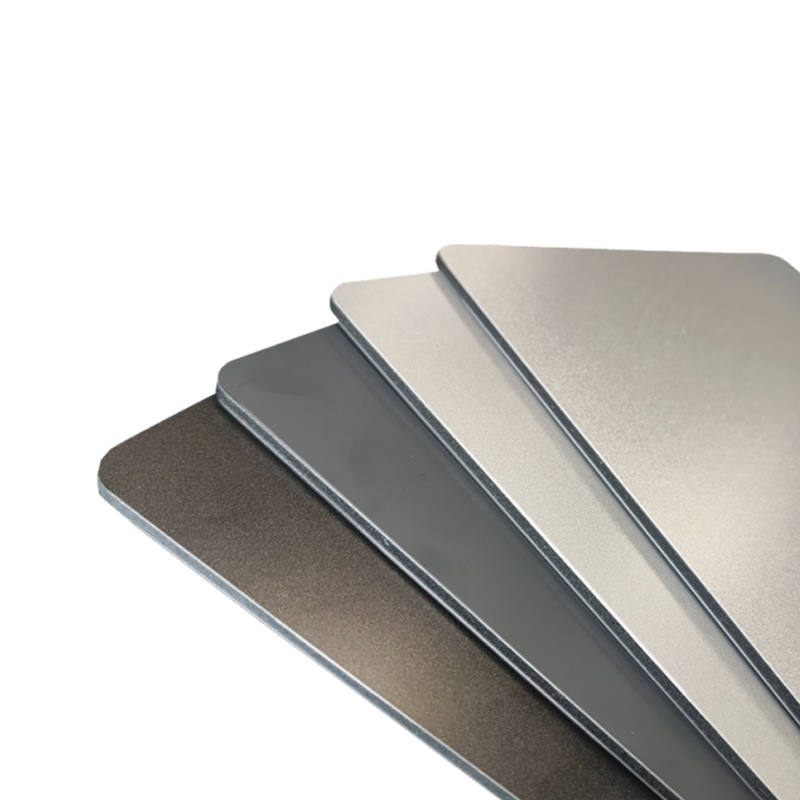
You approved a sample. The color was perfect. The gloss level was exactly what the architect specified. The surface was flawless. Then the full container arrived—and something was wrong. The shade was off. The finish looked different. The panels felt different.
This scenario is alarmingly common in the aluminum composite panel (ACP) industry. Procurement professionals around the world have experienced the frustration of receiving production panels that bear little resemblance to the sample they carefully approved weeks or months earlier.
Why does this happen? Is it deliberate deception, inevitable manufacturing variation, or something in between? More importantly, what can you do to prevent it?
This guide explains the root causes of sample-to-production discrepancies in aluminum composite panels and provides procurement professionals with a practical framework for ensuring that what arrives on site matches what was promised.
The Scope of the Problem
Before examining specific causes, it is important to understand how widespread this issue is. Industry surveys and buyer feedback consistently identify sample inconsistency as one of the top three complaints in aluminum composite panel procurement.
Common buyer complaints include:
- Color mismatch: The production panels are visibly different from the approved sample when installed side by side.
- Gloss level variation: A matte finish sample arrives as semi-gloss; a high-gloss sample arrives with orange peel texture.
- Coating feel and quality: The sample had a smooth, hard finish; production panels feel softer or show more surface defects.
- Core differences: The sample had a dense, mineral-filled core; production panels show higher plastic content.
- Overall workmanship: The sample appeared premium; the bulk shipment looks like a different grade entirely.
These discrepancies are not merely cosmetic. In many cases, they indicate fundamental differences in material specifications—differences that can affect fire performance, weather resistance, and long-term durability.
Root Cause 1: Sample Sourcing – The "Best Foot Forward" Problem
The most common reason for sample-to-production variation is that the sample itself was not representative of normal production.
What happens: Some manufacturers carefully select the best possible panels for samples. They may:
- Use premium-grade aluminum skins while production uses standard-grade
- Apply extra-thick coating on samples while production uses minimum thickness
- Hand-select panels without the minor surface imperfections that occur in normal runs
- Source samples from a different production line than the one used for bulk orders
Why it matters: The sample becomes a "gold standard" that normal production cannot realistically match
How to protect yourself:
- Request samples that are randomly selected from current production, not specially prepared.
- Ask for multiple samples from different production batches to understand normal variation.
- Visit the factory and see the production line yourself before approving samples.
- Specify in your contract that production panels must be visually matchable to the retained sample under standard lighting conditions.
Root Cause 2: Raw Material Substitution
Aluminum composite panels are made from multiple layers: aluminum skins, primer, coating, and core material. Each of these components can be substituted with lower-cost alternatives without changing the product name.
Component | Sample Specification | Common Substitution | Visible Effect |
Aluminum alloy | AA5005 (marine grade) | AA3105 or AA1100 | Reduced corrosion resistance; not visually obvious |
Aluminum skin thickness | 0.50 mm | 0.45 mm or 0.40 mm | Panel feels lighter; reduced impact resistance |
Coating resin | PVDF (Kynar 500®) | Polyester or lower-grade PVDF | Premature fading, chalking, gloss loss |
Core material | A2 mineral | FR (fire-retardant) or PE (polyethylene) | Different burn behavior; weight difference |
Primer layer | Epoxy-based | Polyester-based | Poor coating adhesion; delamination risk |
Why it matters: Substitutions often hide beneath the surface. The production panel may look similar to the sample for weeks or months, only to reveal its true nature after installation, when it is too late to reject.
How to protect yourself
- Require mill certificates for aluminum alloy and coating raw materials, linked to your batch number.
- Perform random sampling and testing upon delivery (coating thickness, MEK rub test, core burn test).
- Specify that any raw material substitution requires written approval before production.
Root Cause 3: Coating Batch Variation
PVDF and polyester coatings are manufactured in batches. Even from the same supplier, different batches can have slight variations in color, gloss, and texture.
What happens:
- The sample was coated using Batch A of a specific paint.
- By the time your production order runs, the manufacturer is using Batch D or E.
- While each batch may be within the supplier's own tolerance, the cumulative difference between Batch A and Batch E is visible.
Why it matters: Color-sensitive projects (corporate headquarters, showrooms, luxury residential) cannot tolerate visible differences between sample and production.
How to protect yourself:
- Request that your production run uses the same coating batch as the approved sample.
- Ask for a sample of the actual production batch before full manufacturing begins.
- Specify color tolerance standards (e.g., ΔE < 1.5 under CIE Lab measurement).
- Use a spectrophotometer to measure and record the sample’s color values for objective comparison.
Root Cause 4: Manufacturing Process Drift
Even with identical raw materials, the manufacturing process itself can introduce variation. Key parameters that affect final panel quality include:
- Laminating temperature: If too low, adhesion suffers; if too high, core deformation occurs.
- Line speed: Affects coating thickness and curing time.
- Cooling rate: Affects panel flatness and residual stress.
- Pressure applied during lamination: Affects bond strength and panel thickness consistency.
What happens: A manufacturer runs a perfect sample line at optimal settings. By the time your large production order runs weeks later, machine settings may have drifted, operators may have changed, or maintenance may have been deferred.
How to protect yourself:
- Require that production panels be manufactured under the same process parameters as the sample batch.
- Request in-process inspection reports showing temperature, line speed, and pressure readings for your batch.
- Conduct a pre-shipment inspection by a third-party inspector at the factory.
Root Cause 5: The "Sample Grade" vs. "Commercial Grade" Trap
Some suppliers maintain two quality tiers: sample grade (premium) and commercial grade (standard). The sample you approve is the sample grade. The panels delivered are commercial grade.
What happens: The manufacturer never intended to deceive. Their standard commercial product is simply lower in quality than the specially prepared samples. But because the sample did not carry a disclaimer, the buyer reasonably expected commercial production to match.
How to protect yourself:
- Ask explicitly: "Is the sample representative of what you will ship for a bulk commercial order?" Get the answer in writing.
- Request a pre-production sample from the actual line and material batch that will be used for your order.
- Specify that all production panels must meet the same quality standards as the approved sample.
Root Cause 6: Counterfeit or Mislabeled Products
In the most serious cases, the discrepancy is not accidental. Some suppliers knowingly ship a different product than the one sampled.
Common counterfeit scenarios:
- A2 mineral core samples approved; PE core panels shipped.
- PVDF coating samples approved; polyester coating shipped.
- Premium brand samples shown; generic unbranded panels shipped.
Why it matters: These substitutions are not just quality issues—they are safety hazards and legal violations.
How to protect yourself:
- Work only with verified manufacturers whose factory you have audited or visited.
- Require third-party testing of random samples from the delivered shipment.
- Insist on traceable batch numbers that link production records to raw material certificates.
- Include severe penalty clauses in contracts for product substitution.
How to Close the Gap: A Procurement Checklist
To ensure that the aluminum composite panels you receive match the sample you approved, incorporate these practices into your procurement process:
Phase | Action Item |
Pre-sampling | Visit the factory or request a video tour of the production line. |
Sampling | Request multiple random samples from current production, not specially prepared units. |
Sample retention | Keep a sealed, dated reference sample in a safe location. |
Specification writing | Quantify tolerances: color (ΔE value), gloss (±5 units), thickness (±0.1mm). |
Contract clauses | Require the same raw material sources, the same coating batch where possible, same process parameters. |
Pre-production | Approve a pre-production sample from the actual batch before full manufacturing. |
In-production | Use third-party inspection during manufacturing, not just before shipping. |
Pre-shipment | Randomly select finished panels and compare them to the retained sample under standardized lighting. |
Post-delivery | Perform an incoming inspection before unloading the full container. |
What to Do When Discrepancies Occur
If production panels arrive and clearly differ from the approved sample:
1. Stop installation immediately. Do not install suspect panels.
2. Document thoroughly. Photograph the sample next to production panels under consistent lighting. Use a color reference card.
3. Notify the supplier in writing. Reference your contract and the retained sample.
4. Engage a third-party laboratory. Have them measure color difference (ΔE), coating thickness, and core composition.
5. Demand a remedy. Options include: replacement at the supplier’s cost, price reduction, or full rejection and refund.
6. Preserve the sample. Do not return the approved sample to the supplier until the dispute is resolved.
Conclusion
Sample-to-production discrepancies in aluminum composite panels are common, but they are not inevitable. Most variations stem from understandable causes: different raw material batches, process drift, or misaligned expectations. However, some discrepancies result from deliberate substitution or misleading sampling practices.
For procurement professionals, the solution lies in **documentation, verification, and contractual protection.** Approving a sample is only the first step. Ensuring that production matches that sample requires clear specifications, in-process inspections, pre-shipment verification, and incoming goods testing.
By understanding why discrepancies occur and implementing a systematic verification process, you can avoid the frustration of mismatched panels and ensure that the aluminum composite panels installed on your project are exactly what you approved.