Welcome to Vbond
Why the Back Coating on an Aluminum Composite Panel Matters for Longevity
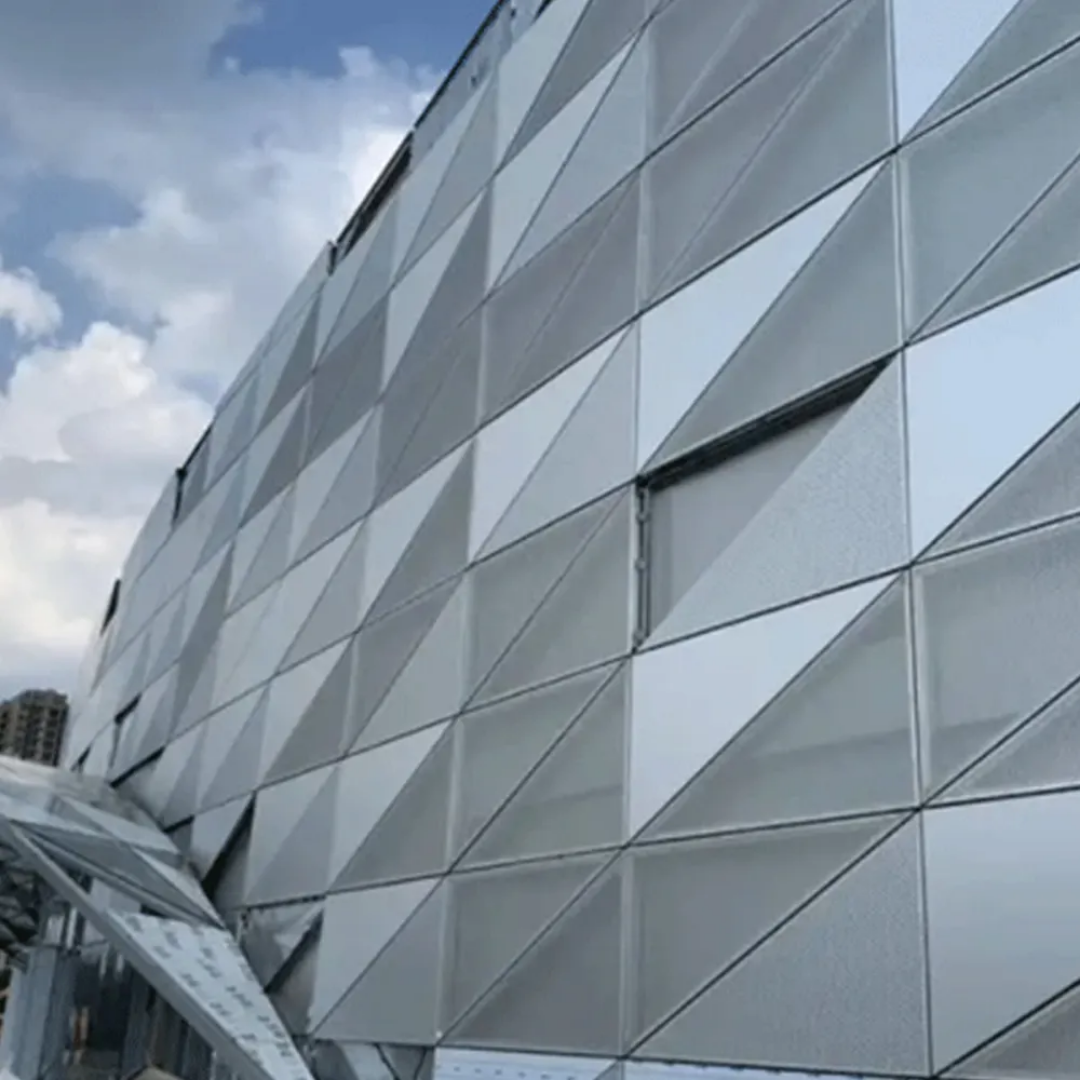
When specifying aluminum composite panels (ACPs) for architectural projects, most procurement professionals focus their attention on the visible elements: the color, the gloss level, and the front coating’s resistance to fading. This is understandable—the façade is what the world sees.
However, what happens on the back of the panel—the side no one ever views after installation—is equally critical to the building’s long-term performance. The back coating (also known as the reverse or rear coating) is not merely a cosmetic afterthought; it is a sophisticated protective layer engineered to combat corrosion, ensure structural integrity, and extend the service life of the entire cladding system.
This guide explains why the back coating matters, what to look for when sourcing ACPs, and how to verify that the panels you specify are built to last.
The Hidden Threat: What the Back of the Panel Endures
While the front of an ACP faces direct sunlight and visible weather exposure, the back side faces a different set of environmental aggressors that are often more insidious:
- Moisture Trapping: In ventilated façade systems, moisture can accumulate in the cavity behind the panels. Condensation, rain ingress, and humidity create a persistently damp environment.
- Chemical Exposure: Coastal salt spray, industrial pollutants, and even cleaning agents used on adjacent building elements can migrate to the rear surface.
- Galvanic Corrosion: When ACPs are installed using dissimilar metals (such as aluminum panels with steel or stainless-steel fasteners), the back side can become a site for galvanic corrosion if not properly isolated and protected.
- Alkaline Attack: Concrete and mortar used in building structures release alkaline substances during curing. These can come into contact with the back of panels and attack unprotected aluminum.
Without a robust back coating, the aluminum skin on the reverse side is vulnerable to oxidation, pitting, and eventual structural failure—failures that typically manifest years after installation, long after warranties have expired.
What Is a Back Coating?
The back coating is a protective layer applied to the reverse side of the aluminum coil during the same continuous coil coating process that applies the front finish. Unlike the front coating, which prioritizes aesthetics and UV resistance, the back coating is engineered for:
- Corrosion resistance
- Adhesion strength
- Moisture barrier properties
- Compatibility with adhesives and sealants
Quality back coatings are typically epoxy-based or polyester-based formulations, applied at controlled thicknesses (usually 5–15 microns) and cured alongside the front coating to ensure uniform adhesion.
Types of Back Coatings: Quality Tiers
Not all back coatings are created equal. Professional buyers should recognize the different tiers of protection available.
1. Premium: Epoxy Back Coating (5–10 µm)
Epoxy coatings offer the highest level of corrosion protection. They form a dense, chemically resistant barrier that bonds exceptionally well to the aluminum substrate. Epoxy back coatings are the industry standard for high-performance PVDF panels intended for exterior, coastal, or industrial applications.
Characteristics:
- Excellent salt spray resistance (1,000+ hours per ASTM B117)
- Superior adhesion to aluminum
- Outstanding chemical and alkaline resistance
- Typically light gray, white, or clear in appearance
2. Standard: Polyester Back Coating (5–10 µm)
Standard polyester back coatings provide adequate protection for interior applications or buildings in mild environments. They offer good moisture resistance but are less effective against aggressive chemical or salt exposure.
Characteristics:
- Moderate salt spray resistance (250–500 hours)
- Good adhesion but less durable than epoxy
- Suitable for interior partitions and low-rise buildings in temperate climates
3. Minimal or None: Uncoated or Primed Only
Some low-cost ACPs feature no back coating or only a thin, non-cured primer. These panels are at high risk for corrosion, particularly when installed in exterior applications. Uncoated aluminum in a moist environment will naturally form aluminum oxide, but this oxide layer is thin and easily compromised by chlorides (salt) or alkalis (cement).
Professional buyers should reject uncoated back panels for any exterior or high-humidity interior application.
Key Performance Metrics for Back Coatings
To evaluate back coating quality, professional buyers should demand quantifiable test data. Here are the critical metrics:
Test | Standard | Premium (Epoxy) Target | Standard (Polyester) Target |
Salt Spray Resistance | ASTM B117 | ≥ 1,000 hours (no corrosion) | 250–500 hours |
Humidity Resistance | ASTM D2247 | ≥ 1,000 hours (no blistering) | ≥ 500 hours |
Cross-Cut Adhesion | ASTM D3359 | 5B (no detachment) | 4B–5B |
Chemical Resistance | ASTM D1308 | Excellent (acid/alkali) | Moderate |
MEK Rub Test | NCCA II-18 | ≥ 100 rubs (cure verification) | ≥ 50 rubs |
When reviewing supplier documentation, look for these test results. A supplier that cannot provide salt spray or humidity test data for their back coating should be viewed with skepticism.
The Role of Back Coating in Panel Fabrication
Beyond corrosion protection, the back coating plays a functional role during the fabrication and installation process.
1. Adhesion for Sealants and Adhesives
When panels are fabricated into cassettes or when joint sealants are applied, the back coating must provide a reliable surface for adhesion. Epoxy back coatings offer excellent bonding characteristics for structural adhesives and silicone sealants. Uncoated or poorly coated aluminum may experience adhesive failure over time, leading to water ingress.
2. Prevention of "Bimetallic" or Galvanic Corrosion
When aluminum contacts a dissimilar metal (such as galvanized steel or stainless steel) in the presence of an electrolyte (moisture), galvanic corrosion can occur, rapidly deteriorating the aluminum. A properly formulated back coating acts as an insulating barrier, preventing direct metal-to-metal contact and eliminating this corrosion pathway.
3. Identification and Traceability
Many quality panel manufacturers print batch numbers, manufacturing dates, or quality certification marks on the back coating. This provides traceability that is essential for warranty claims and quality assurance. Panels without such markings are difficult to trace back to specific production batches.
Environmental and Warranty Considerations
Warranty Coverage
Leading ACP manufacturers tie their warranty coverage directly to the use of specified back coating systems. A comprehensive warranty (20–30 years for PVDF systems) typically requires:
- A specified epoxy back coating of defined thickness
- Proper installation per manufacturer guidelines
- Use of compatible fasteners and sealants
If a panel lacks the specified back coating, the warranty is often voided—a risk that professional buyers cannot afford.
Sustainability and "Green" Specifications
For projects pursuing LEED, BREEAM, or other green building certifications, the back coating also matters. High-quality epoxy coatings are increasingly formulated with low-VOC (volatile organic compound) content and are applied in coil coating lines that maximize material efficiency and minimize waste. Buyers should ask about the coating supplier's environmental credentials.
How to Verify Back Coating Quality: A Buyer's Checklist
When vetting ACP suppliers, add these verification steps to your procurement process:
1. Request the Full Coating Specification: Do not accept "epoxy back coating" as a generic claim. Ask for the coating manufacturer, product name, and technical data sheet.
2. Review Test Reports: Demand mill certificates showing:
- Salt spray testing results (ASTM B117) with hours tested and outcome.
- Humidity resistance (ASTM D2247) results.
- Adhesion test results (ASTM D3359).
- Dry film thickness measurement (should be 5–15 µm minimum).
3. Visual Inspection: During factory visits or sample evaluation:
- Look for uniform, consistent coverage—no bare spots, streaks, or pinholes.
- Premium back coatings typically have a smooth, uniform appearance (often light gray or white).
- Check for manufacturer markings (batch numbers, logos) that indicate traceability.
4. Ask About Coil Coating Line Certification: Ensure the panel manufacturer uses a coil coater certified to Qualicoat or AAMA 2605 (for front coating) with documented back coating specifications. Qualicoat, for example, has specific requirements for back coatings in its quality label system.
The Cost of Cutting Corners
In competitive bidding, some suppliers may offer lower prices by omitting or downgrading the back coating. The short-term savings are often outweighed by long-term costs:
- Premature Corrosion: Within 5–10 years, panels without adequate back coating can show signs of edge creep, blistering, or perforation—particularly in coastal or industrial environments.
- Replacement Costs: Replacing corroded panels on a high-rise building involves scaffolding, crane time, labor, and material costs that far exceed the original procurement savings.
- Reputation Risk: A building with visibly failing cladding reflects poorly on the architect, contractor, and building owner. For the procurement professional, specifying substandard materials creates lasting liability.
Conclusion
The back coating on an aluminum composite panel is not a cost to be minimized—it is an investment in longevity. While the front coating delivers the aesthetic, the back coating ensures that the panel can withstand the hidden forces of moisture, chemicals, and galvanic corrosion that threaten its structural integrity over decades.
Professional buyers who prioritize epoxy back coatings, demand documented test results, and verify coating specifications are protecting their projects from premature failure. In the world of architectural cladding, what you cannot see after installation is often what matters most in the long run.