Welcome to Vbond
Clip Engagement Failure: Why Poor Fixings Cause Alucobond Panel Dislodgement
You stand back and admire the finished facade—the panels gleam. The lines are crisp. The client approves.
Then the wind picks up. You hear it. A screeching sound from the facade. One panel shifts. Another rocks in its clips. The sleek building now looks dangerous.
The problem is not the panel. The problem is the clips. They are not engaging properly. The panel is loose. It is only a matter of time before it falls.
This guide explains why clip engagement failure causes Alucobond panel dislodgement. You will learn how fixing systems work. You will understand the three types of clip failure. And you will know exactly how to specify and install fixings that hold.
Part 1: Why Clip Engagement Matters
A facade panel is only as secure as its fixings. An Alucobond panel can be perfectly manufactured, flawlessly finished, and meticulously inspected—but if the clips fail to engage, the panel will not stay on the building.
The cost of poor fixings:
- Panel dislodgement (safety hazard)
- Structural failure (wind uplift)
- Aesthetic damage (shifted, misaligned panels)
- Legal liability (falling panels, property damage)
The problem with underestimating fixings:
Poor-quality accessories and fixings cannot be underestimated. They can cause the whole system to fail if they do not meet the demands of the building.
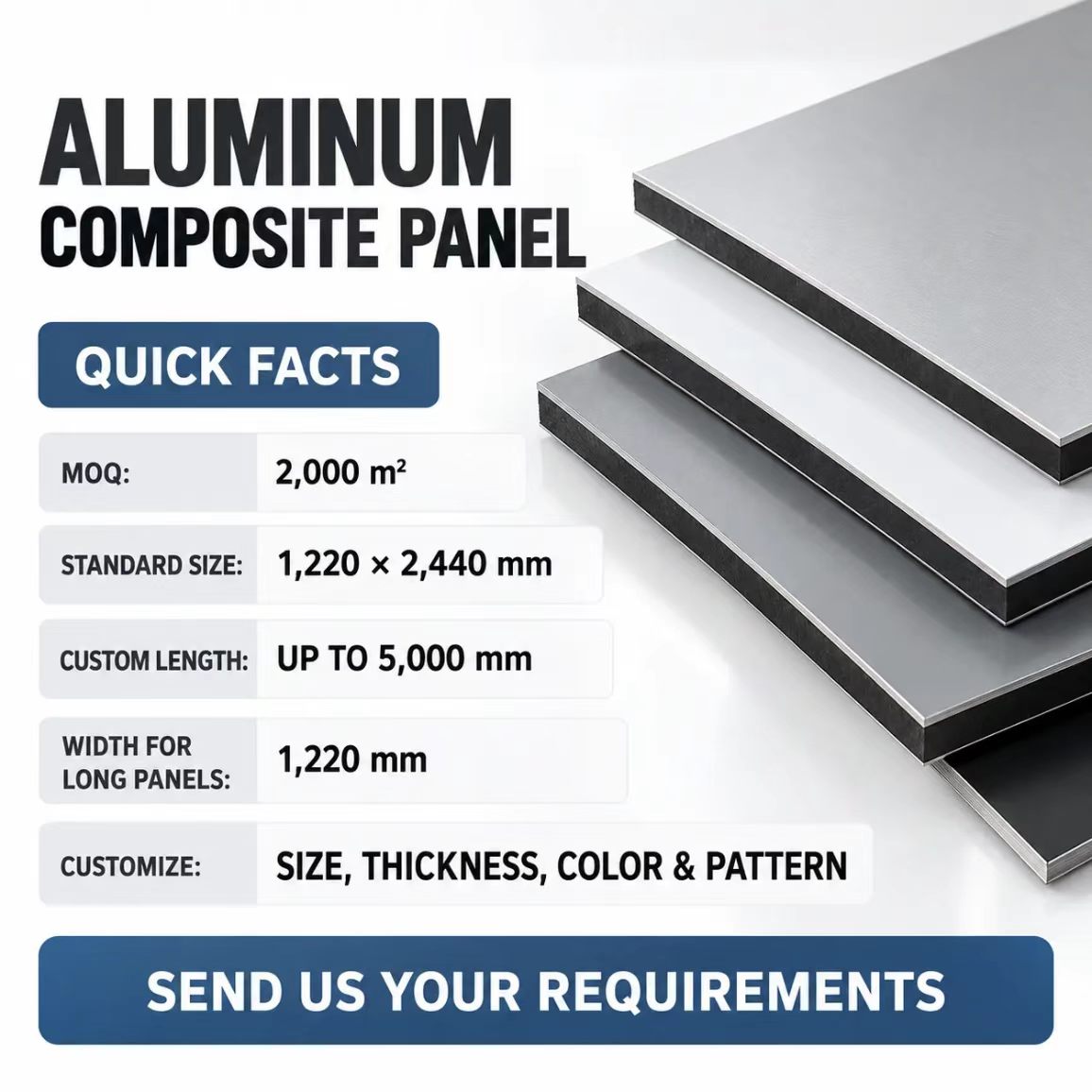
A standard Alucobond 4x8 sheet measures approximately 1220mm x 2440mm. That is nearly 3 square meters of panel surface. Wind loads on a panel this size can exceed 2.0 kPa—over 600 kg of force on a single panel. The clips must hold that force. If they fail, the panel fails.
Part 2: How Alucobond Fixing Systems Work
Alucobond panels are typically attached using a clip system. The system has three components:
1. The supporting framework
- Horizontal and vertical rails
- Fixed to the building structure
- Provides the structural backbone
2. The clips
- Engage with the panel's folded edges
- Transfer wind loads to the framework
- Allow for thermal movement
3. The panel
- Has folded edges (edge ribs) that engage with the clips
- The clip grips the folded edge
- The panel hangs from the clips
The two types of clips:
Clip Type | Function | Best For |
Load-bearing clips | Carry the weight of the panel | Vertical loads |
Restraint clips | Prevent outward movement (suction) | Wind loads |
A well-designed Alucobond curtain wall system must be resistant to severe weather and earthquakes. It should have high load capacity, good wind load resistance, and superior impact resistance.
Part 3: Three Types of Clip Engagement Failure
Failure Type 1: Insufficient Clip Engagement
The clip does not grip the panel's folded edge deeply enough. The panel can slide out of the clip under wind load.
What it looks like:
- Panel shifts vertically or horizontally
- Uneven gaps between panels
- Visible movement when the panel is pressed
- Gaps between the clip and the folded edge
Why it happens:
- Incorrect clip selection for the panel thickness
- Improper installation—clips not fully engaged
- Folded edge not formed to the correct dimensions
- Mismatched clip and panel profiles
The consequence:
The panel is not securely retained. Wind uplift forces can pull the panel out of the clips. The panel falls.
Failure Type 2: Clip Deformation Under Load
The clip bends or deforms under wind pressure. The panel is no longer held securely.
What it looks like:
- Clips visibly bent or deformed
- Panel shifted out of position
- Popping or screeching sounds in high winds
- Clips show signs of fatigue or stress
Why it happens:
- Clips are undersized for the wind load
- Clip material is not strong enough
- Clip thickness is insufficient
- Corrosion has weakened the clip
The consequence:
The clip loses its grip. The panel loosens. Under sustained wind pressure, the panel can dislodge.
Failure Type 3: Thermal Movement Conflict
The clip does not allow for panel movement. Thermal expansion forces the panel against the clip. The clip jams or deforms.
What it looks like:
- Clips forced out of position
- Panel buckled or oil-canned
- Clips show signs of overstress
- Panel movement restricted
Why it happens:
- Clips are too tight
- No allowance for thermal expansion
- Multiple fixed points instead of a floating system
- The clip system does not accommodate the panel's movement
The consequence:
The panel cannot expand freely. Stress builds. The clip deforms or fails. The panel buckles or dislodges.
Part 4: Why 4x8 Sheets Require Special Attention
An Alucobond 4x8 sheet is a large panel—approximately 1220mm x 2440mm, or nearly 3 square meters of surface area.
Factor | 4x8 Sheet | Smaller Panel | Implication |
Surface area | ~3 m² | Smaller | | Higher wind load (force = pressure × area) |
Weight | Heavier | Lighter | More gravity load on clips |
Thermal expansion | More total movement | Less movement | More demand on clip design |
Clip engagement | More critical | Less critical | Every clip must engage correctly |
The numbers:
A 4x8 panel at 2.0 kPa wind pressure experiences over 600 kg of force. The clips must hold this force. Each clip carries a portion of the load. If one clip fails, the load redistributes to the remaining clips—causing a cascade failure.
Wind load calculation for an Alucobond 4x8 sheet:
The wind load on a panel at 30 m height in an urban area is approximately 2.0 kPa. The total force on a 3 m² panel is 6,000 N (over 600 kg). This load must be distributed across the clips. Each clip must be designed to handle its share.
Part 5: The Chain Reaction — From Clip Failure to Panel Dislodgement
Step 1: A clip fails to engage properly
The clip does not grip the folded edge fully. This can happen due to incorrect clip selection, improper installation, or mismatched profiles.
Step 2: The panel shifts under wind load
The panel moves. The load transfers to the adjacent clips. They are now carrying more than their design load.
Step 3: Adjacent clips deform or fail
The additional load causes the adjacent clips to bend or deform. The panel shifts further.
Step 4: The panel dislodges
With insufficient clips holding it, the panel slides out of the fixing system. The panel falls. The building is damaged. Safety is compromised.
Part 6: How to Prevent Clip Engagement Failure
1. Select the correct clips for the panel
The clip must match the panel thickness and profile. A clip designed for a 4mm panel may not grip a 3mm panel securely. A clip that works for a 4x8 sheet must be sized for the additional load.
2. Ensure proper clip engagement
The clip must fully engage the panel's folded edge. The engagement depth should be as specified by the manufacturer. Do not guess—measure it.
3. Use load-bearing and restraint clips correctly
Load-bearing clips carry the panel's weight. Restraint clips prevent outward movement. Both are necessary for a secure installation.
4. Allow for thermal movement
The clip system must allow the panel to expand and contract. A floating system with one fixed point and sliding points is essential. Do not over-tighten or restrict movement.
5. Use corrosion-resistant materials
Clips must be corrosion-resistant. In coastal environments, this is especially critical. Stainless steel clips are recommended. Aluminum clips must have appropriate coatings.
6. Inspect clips during installation
Every clip should be inspected before the panel is hung. Check for proper engagement, correct positioning, and secure attachment to the framework.
The Prevention Flowchart
Start
│
▼
Select correct clips for panel thickness and size
│
├─── Match clip to Alucobond 4x8 sheet profile
└─── Verify load capacity
│
▼
Install framework (horizontal and vertical rails)
│
├─── Attach securely to building structure
└─── Align to design tolerances
│
▼
Install clips
│
├─── Load-bearing clips: carry panel weight
├─── Restraint clips: prevent outward movement
└─── Ensure correct engagement depth
│
▼
Hang panels
│
├─── Ensure each clip engages the folded edge
└─── Verify panel is secure
│
▼
Allow for thermal movement
│
├─── Floating system: one fixed point, all others sliding
└─── Do not over-tighten or restrict movement
│
▼
Inspect every clip
│
├─── Engage properly?
├─── Positioned correctly?
└─── Attached securely?
│
▼
DONE ───► Alucobond panels securely retained
What to Ask Your Supplier
When you purchase an Alucobond 4x8 sheet for your project, ask these questions:
1. What clip system do you recommend for my panel size and wind load? A knowledgeable supplier will provide specific recommendations.
2. What is the engagement depth required for your clips? The answer should be a specific measurement.
3. What is the load capacity of your clips? The answer should be backed by test data.
4. Do you provide load-bearing and restraint clips? Both are necessary.
5. What is your clip material? The answer should be corrosion-resistant, preferably stainless steel.
The Bottom Line
Clip engagement failure is not a minor issue. It is a safety hazard. A panel that is not securely retained can dislodge and fall. The consequences are catastrophic.
An Alucobond 4x8 sheet is a large panel—nearly 3 square meters of surface area. At 2.0 kPa wind pressure, it experiences over 600 kg of force. The clips must hold that force. Every clip must engage correctly. Every clip must be the right size. Every clip must be installed properly.
The three types of clip failure—insufficient engagement, deformation under load, and thermal movement conflict—are all preventable. Select the correct clips. Ensure proper engagement. Allow for thermal movement. Use corrosion-resistant materials. Inspect every clip.
When you walk that site twelve months from now, looking at a secure, flat, perfectly aligned Alucobond facade with no shifting or dislodgement, you will know—not hope, not guess, but know—that the clips are right. Because you specified the correct clip system. Because you inspected every engagement. Because you refused to let poor fixings destroy a premium facade and endanger the building's occupants.
The panel is only as secure as its clips. Specify the right clips. Install them correctly. Your building's safety depends on it.