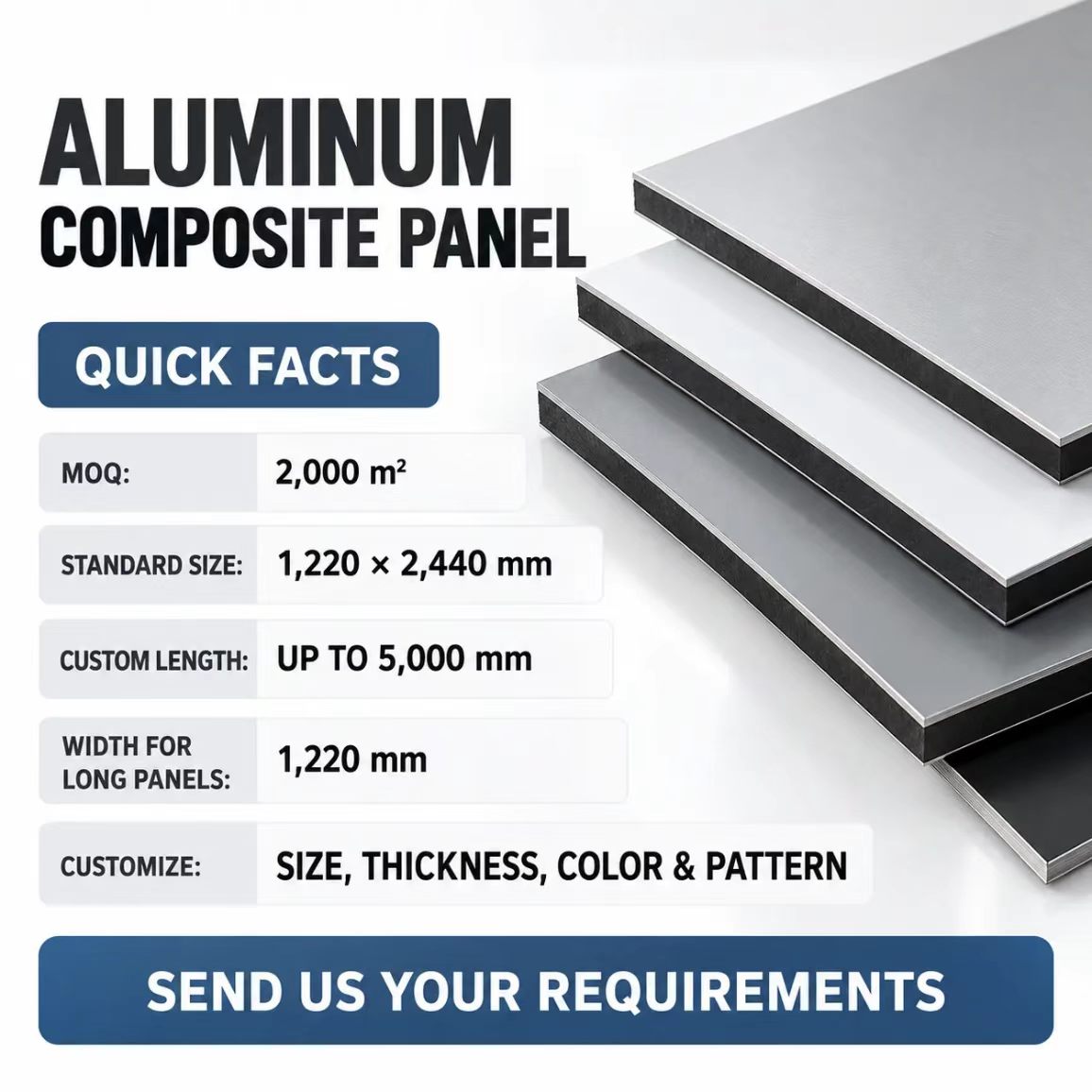
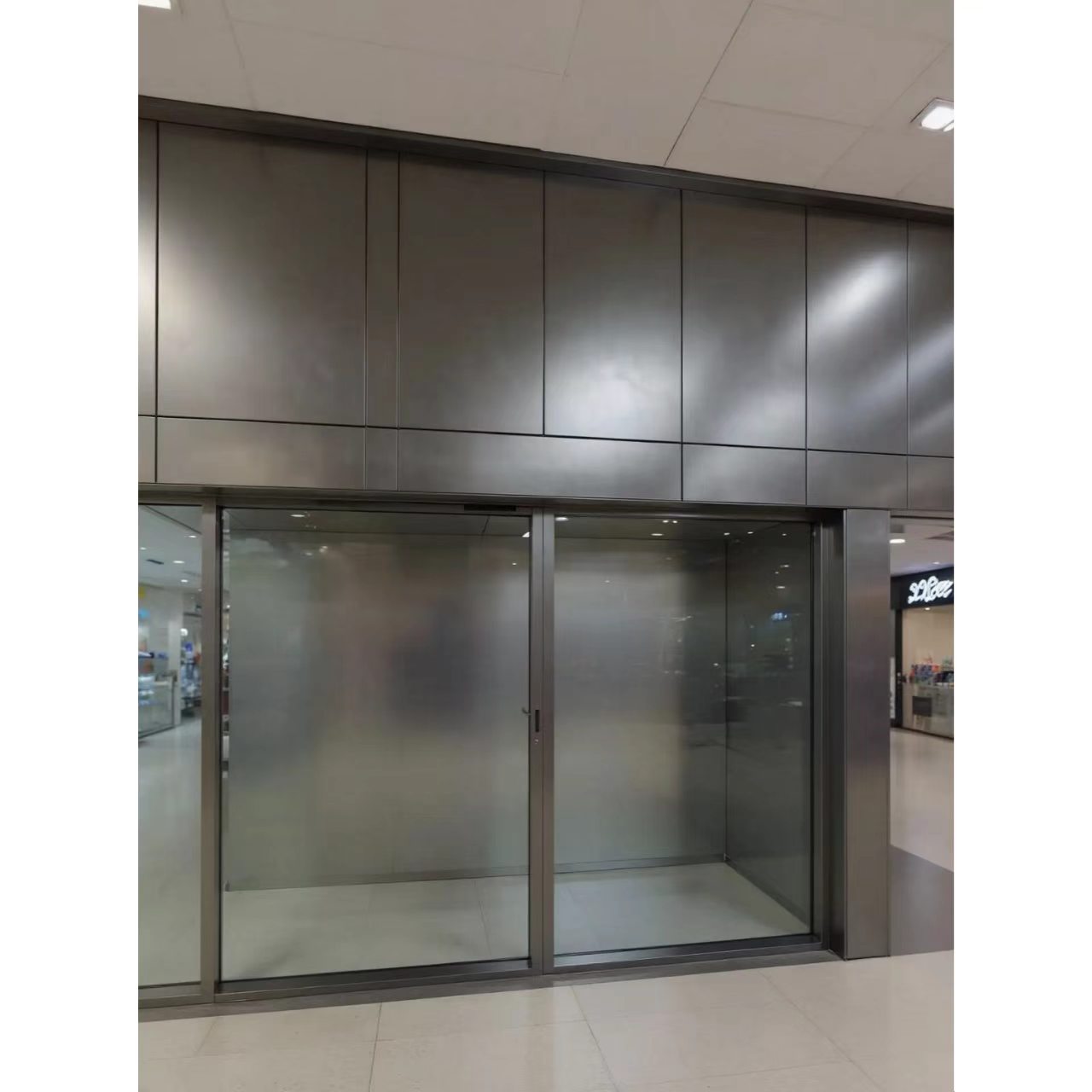
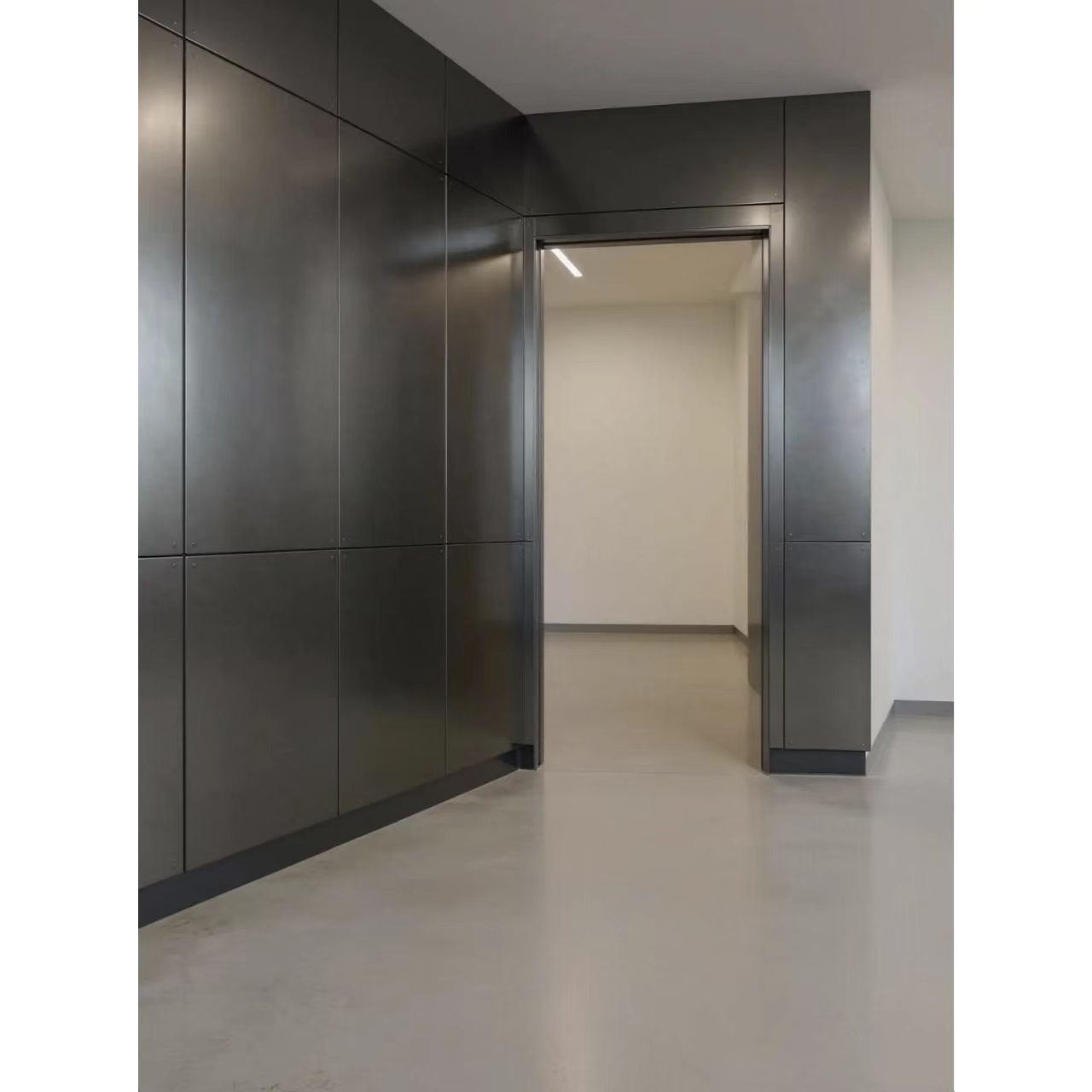
Welcome to Vbond
Hot & Humid ACP Facades: Why PE Chalking Makes PVDF the Safer Spec
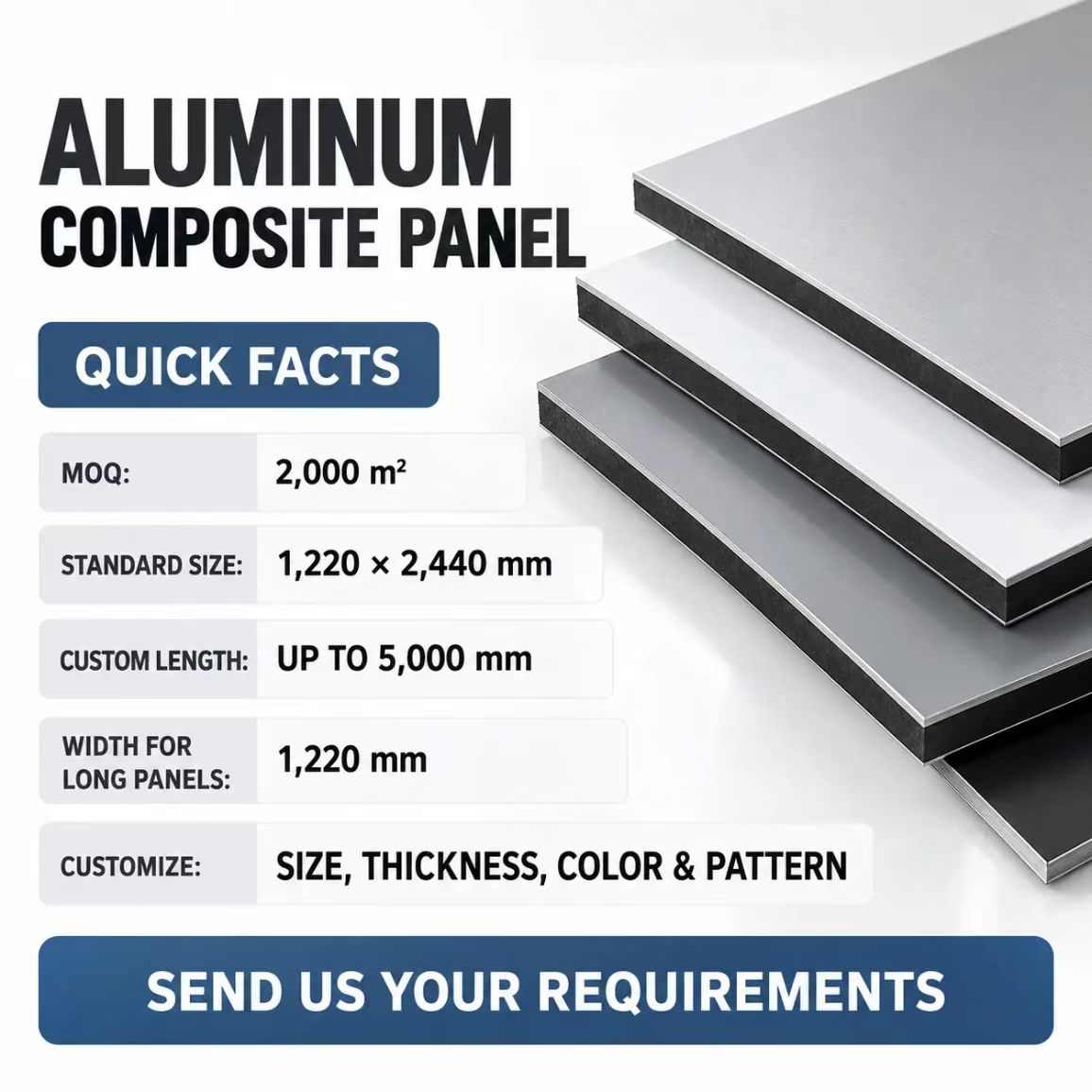
PE chalking looks like a cosmetic problem. On a hot and humid facade, it becomes a structural one. The powder on the surface is the visible sign that the coating has lost its ability to protect the aluminum underneath. Once that protection is gone, moisture and heat attack the metal. On a thin-skin panel, that attack moves faster.
This guide explains why PE chalk forms, how chalking on a 0.3mm aluminum skin Alucobond panel creates a risk that a thicker panel can absorb, and what a procurement team should verify before approving a hot-and-humid facade specification.
Chalking Is Not Dirt
Chalking is a chemical breakdown of the coating resin. The binder that holds pigment and film together has degraded into powder. You can wipe it off. It comes back.
PE coating breaks down this way because its polymer chain contains ester bonds. UV energy and heat break those bonds apart. The resin disintegrates. The pigment particles release onto the surface as a loose powder.
The industry measures this with ASTM D4214. A chalk rating of 10 means no powder. A rating of 8 or lower means the film is failing. PE coatings on exterior exposure in hot climates drop below 8 within **three to five years**.
The powder itself is harmless. What it represents is not. The film that blocked UV and moisture is gone.
Why Humidity Makes PE Chalking Worse
Heat speeds up the chemical reaction that breaks PE apart. Humidity attacks the bond between the film and the aluminum.
PE absorbs moisture. Water vapor moves through the film and reaches the coating–metal interface. The bond weakens. The film lifts at edges and bends. Once water sits under the film, corrosion starts on the aluminum surface.
The two forces work together. UV creates the chalk. Humidity turns chalk into delamination.
A chalked PE panel on a hot and humid wall is not “aging.” It is failing from two directions at once.
The 0.3mm Skin: Less Aluminum Margin to Absorb Failure
A 0.3mm aluminum skin gives the panel less structural and corrosion margin than a 0.5mm skin. That matters when the coating fails.
Industry guides classify 0.3mm skins as suitable for interior use, signage, and low-rise exterior in mild climates. A panel with 0.5mm skins carries about 40% more aluminum mass than a 0.3mm panel of the same total thickness. That extra mass provides stiffness under wind load and sacrificial metal before corrosion reaches a pinhole.
On a hot and humid facade, a 0.3mm skin works harder. It flexes more under thermal cycling. It dents at lower impact energy. It has less aluminum to lose before corrosion becomes visible.
Pair that thin skin with a coating that chalks and cracks, and the failure path shortens. The coating stops protecting the metal. The metal has less material to absorb the attack.
This does not make 0.3mm panels unusable. It makes the coating choice more critical. A thin-skin panel needs a coating that holds its film, not one that powders away in three years.
What PVDF Does Differently on a Humid Wall
PVDF does not chalk the way PE does. Its backbone is built on carbon–fluorine bonds. UV energy does not break that bond. Heat does not accelerate its breakdown the way it accelerates polyester.
A 70% PVDF coating meets AAMA 2605, the architectural standard for hot and humid performance. Two tests define that standard:
AAMA 2605 Test | Requirement | What It Prove |
Humidity resistance (ASTM D2247) | 4,000 hours at 100°F, 100% RH; blister rating 8 or better | The film survives continuous saturation without lifting or blistering |
South Florida exposure | 10 years outdoor; chalk rating ≥ 8; color ΔE ≤ 5 | The film resists real UV and humidity without powdering |
Table 1. The two AAMA 2605 tests that matter most for hot and humid climates. Humidity data from coating specification sheets; chalk requirement from ASTM D4214.
A PE coating does not carry these ratings. It is not tested to them because it cannot pass them. A PE-coated panel on a hot and humid exterior is an untested product in a test-grade environment.
PVDF holds the film. The aluminum stays covered. The 0.3mm skin keeps its protective layer.
How the Failure Chain Breaks with PVDF
The PE failure chain runs in a straight line. PVDF breaks it at step one.
PE + hot/humid climate
↓
UV + heat break ester bonds
↓
Chalk forms; film loses barrier function
↓
Moisture reaches aluminum through cracks and edges
↓
0.3mm skin corrodes with less metal to lose
↓
Blistering → delamination → panel replacement
PVDF + hot/humid climate
↓
C–F bond resists UV breakdown
↓
Film holds; chalk stays at rating ≥ 8
↓
Moisture stays out; aluminum stays covered
↓
0.3mm skin retains its corrosion margin
↓
Service life runs to coating warranty
Figure 1. The PE failure chain and the PVDF interruption point on a thin-skin ACP panel.
The diagram shows why coating choice matters more on a thin skin. The PE chain accelerates once chalk forms because there is less aluminum to absorb the moisture attack. The PVDF chain never reaches that step. The film holds, so the metal never faces the same exposure.
What a 0.3mm Alucobond 4x10 Sheet Needs in a Humid Spec
A 0.3mm aluminum skin Alucobond panel can serve a hot and humid exterior when the specification closes the gaps that thin skins leave open. Four requirements protect the system:
1. 70% PVDF coating with AAMA 2605 certification.
The resin content is the line between real PVDF and cost-reduced blends. Require the coating maker’s data sheet showing ≥ 70% Kynar 500 or Hylar 5000. A 50% PVDF blend chalking closer to PE and defeats the purpose of paying for a fluoropolymer.
2. Chalk rating and humidity test reports, not just a warranty claim.
Ask for the AAMA 2605 test report showing 4,000-hour humidity resistance and 10-year South Florida chalk rating ≥ 8. A warranty document without test data behind it protects the supplier, not the building owner.
3. Edge sealing in the fabrication scope.
A 0.3mm skin has less corrosion margin at the cut edge. Moisture enters the core through an open edge and reaches the bond line. Specify a written edge-sealing procedure with a continuous sealant bead on every cut face. The coating protects the face. The sealant protects the core.
4. Skin thickness verification on delivery.
A purchase order that says “4mm ACP” does not guarantee a 0.3mm skin. Some suppliers ship 0.21mm or 0.25mm skins under the same label. Measure the skin with a digital caliper at multiple edge locations and compare against the spec. A thin film over an even thinner skin leaves no margin for error.
A Quick Procurement Checklist for Humid Climates
Use this list at submittal review.
Coating
- ≥ 70% Kynar 500 or Hylar 5000 resin, confirmed on the coating data sheet.
- AAMA 2605** test report showing 4,000-hour humidity and chalk ≥ 8 at 10 years.
- Dry film thickness ≥ 25–30 microns on the color coat.
Panel
- 0.3mm skin thickness verified on delivered panels, not just on the certificate.
- AlMg1 (EN AW-5005A) alloy or an equivalent corrosion-resistant aluminum.
- Mineral-filled core with moisture-resistant adhesive.
Fabrication
- Written edge-sealing procedure** included in the order.
- Bend radius within the coating supplier’s limit.** Over-forming cracks the film and creates the same moisture path that chalking opens.
- Stainless-steel fasteners at every connection point.
Bottom Line for Hot and Humid Buyers
PE chalking is the first sign that a coating has stopped protecting the panel. On a 0.3mm skin, that loss of protection leaves less aluminum to absorb moisture and corrosion. The panel does not fail because the skin is thin. It fails because the coating stopped doing its job while the skin still needed it.
Specify 70% PVDF, AAMA 2605, for every hot-and-humid exterior ACP facade. On a 0.3mm aluminum skin Alucobond 4x10 sheet, pair the coating with verified skin thickness and sealed edges. The coating holds the film. The skin keeps its margin. The facade reaches its warranty instead of chalking through it.