Welcome to Vbond
Coastal Warehouse ACP: Pairing PVDF or PE Coating with the Right Core
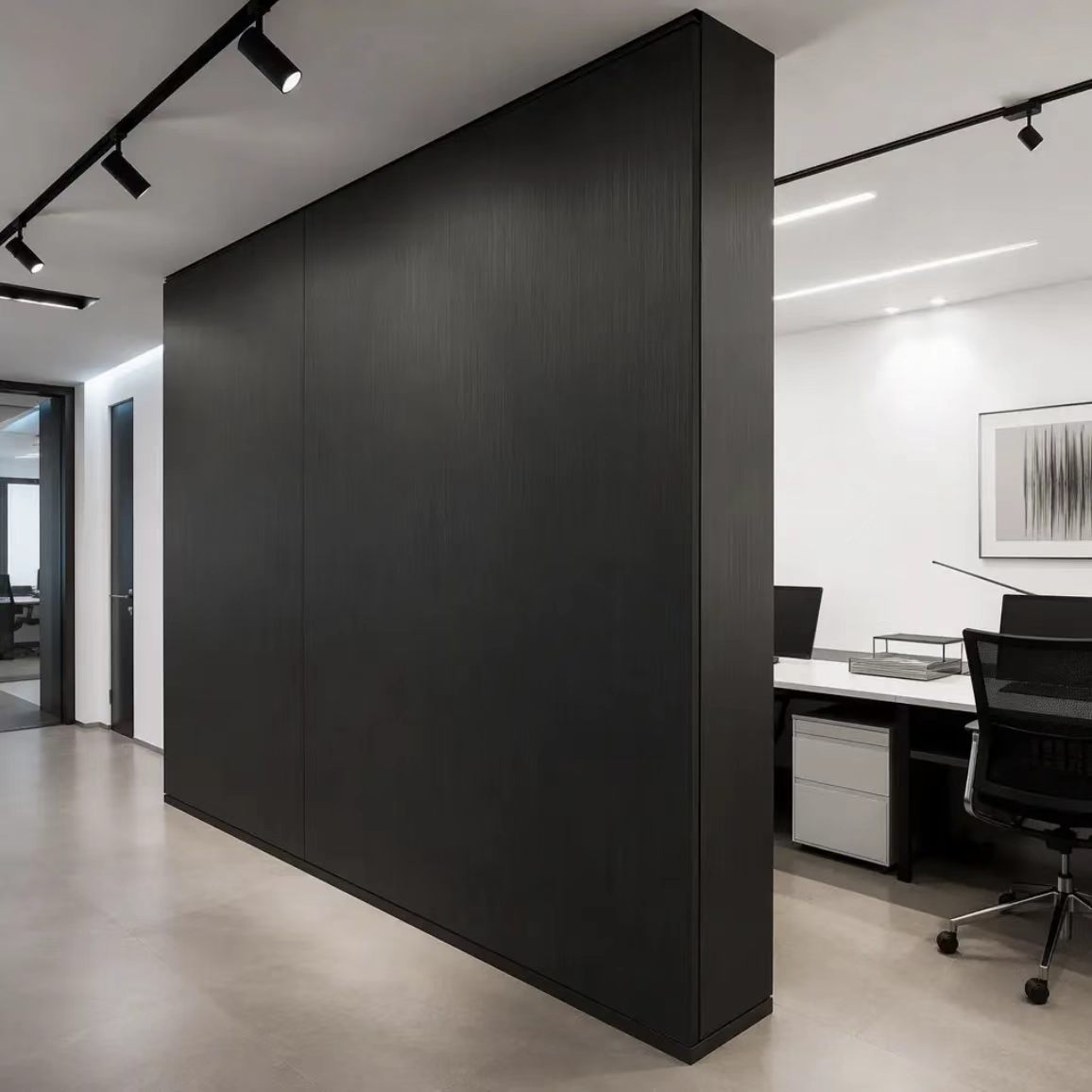
A coastal warehouse facade faces two attacks at once. Salt air eats the coating from the outside. Moisture and heat work on the core from the inside. A specification that fixes one without the other leaves the panel exposed on the other front.
Most ACP discussions stop at the coating. Coating chemistry decides whether the face survives. Core chemistry decides whether the panel survives fire, heat, and moisture cycling. Coastal warehouses need both decisions made together, because the wrong core cancels the protection a good coating provides.
This guide covers the coating decision, the core decision, and where an Alucobond mirror finish fits into a coastal warehouse specification without compromising either.
What Coastal Air Does to the Face
Salt spray lands on every square foot of a coastal facade. Chloride ions settle on the coating surface and pull moisture from humid air overnight. The film stays wet with salt water for hours after sunrise.
PE coating cannot hold that load. Polyester resin has limited resistance to moisture-driven corrosion. Standard PE coatings show blistering and salt-spray failure in chloride-laden air within a few years, and coastal ACP failure from delamination and joint leakage can begin within 12 to 18 months in strong UV and salty air.
PVDF carries the opposite profile. A 70% PVDF coating over a marine-grade substrate holds 4,000 hours of ASTM B117 neutral salt spray without blistering or substrate rust, which is the AAMA 2605 threshold for coastal service. Below that benchmark, coatings in chloride air “fail in months rather than decades” .
A coastal warehouse does not need a monumental finish. It needs a film that does not blister before the first maintenance cycle. PVDF is that film.
What Heat and Moisture Do to the Core
Coastal warehouses sit in a humidity cycle that attacks the panel body, not just the surface.
A standard polyethylene (PE) core is combustible. That is its headline problem. It also has a secondary problem in coastal service: PE cores conduct heat more readily than mineral-filled cores, and the thermal cycling of a warehouse roof and wall works the bond line between skin and core . Moisture enters cut edges, the core swells, and the bond degrades from the inside.
Fire-retardant (FR) cores replace part of the polyethylene with mineral filler. A typical FR core formulation carries 70% non-combustible mineral filling and roughly 30% polymer, achieving Euroclass B-s1,d0 or B1 performance . The mineral content reduces combustibility and lowers thermal conductivity compared with a pure PE core.
A2 cores go further. Mineral-dominant formulations push to around 90% mineral content, reaching Euroclass A2-s1,d0 . A2 cores cost more and deliver the highest fire performance short of an A1 non-combustible system.
For a warehouse, the core decision follows the building code and the insurance requirement first, then the coastal moisture cycle second. A PE core is the wrong choice on both counts.
Pairing Coating and Core: Four Combinations
The coating and the core operate on separate failure paths. Pair them deliberately.
Coating | Core | Coastal warehouse fit | Why |
PE | PE | No | Salt spray destroys the film; combustible core |
PE | FR / A2 | No | Core is sound, but the face fails in salt air |
70% PVDF | PE | No | Coating holds, but the core is combustible |
70% PVDF | FR / A2 | Yes | Coating holds salt; core holds fire and heat |
Table 1. Coating and core pairing for coastal warehouse ACP. PE coating fails the salt-spray requirement regardless of core; PE core fails the fire requirement regardless of coating. Only the PVDF plus FR/A2 pairing satisfies both.
The table delivers one clear rule. **PVDF coating with an FR or A2 core is the only pairing that meets both the coastal corrosion load and the warehouse fire load.** A buyer who upgrades the coating and leaves the core at PE has protected the face and left the building exposed on the fire side.
The Substrate Under the Coating
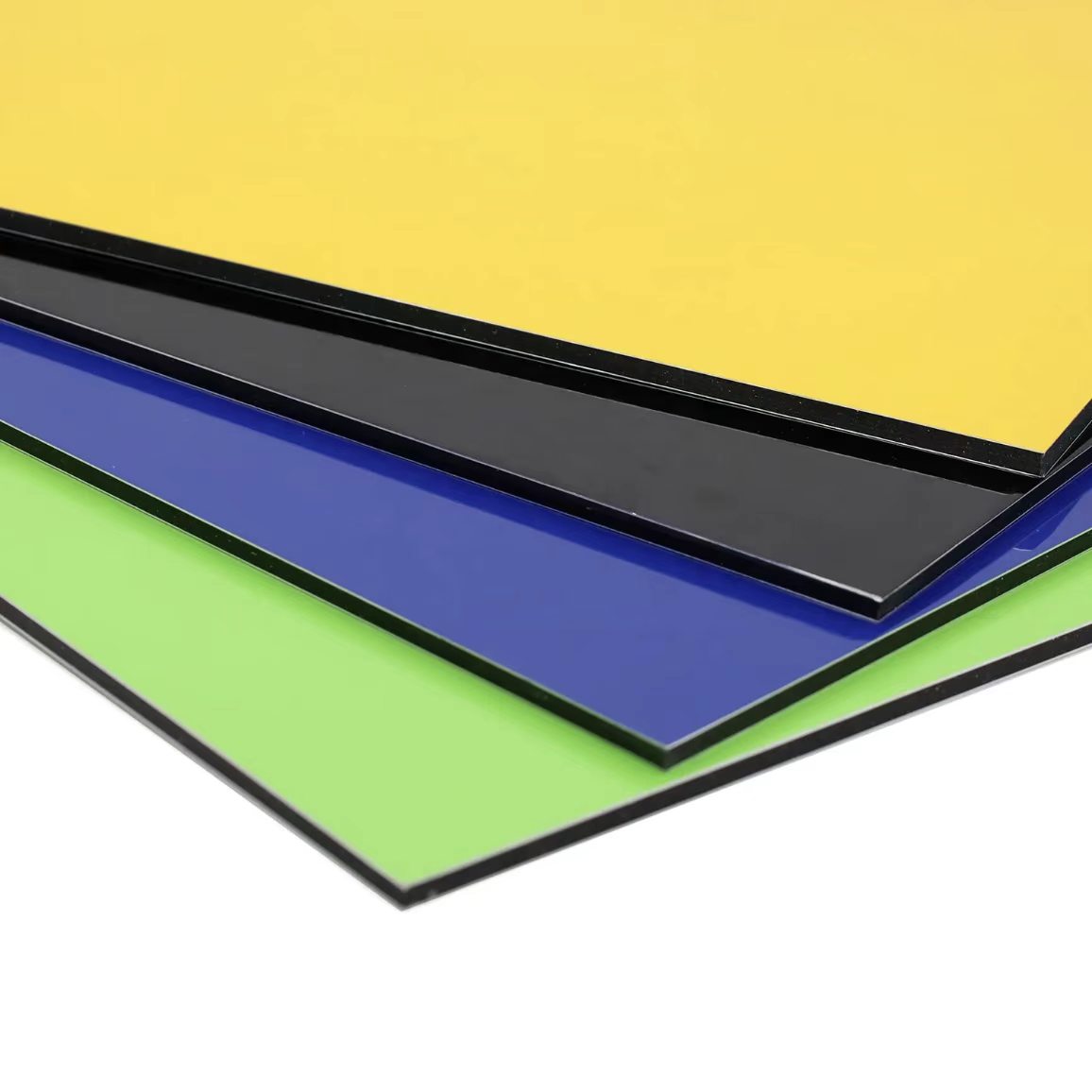
The aluminum skins sit between the coating and the core. In coastal service, the skin alloy decides how the panel fails if chloride eventually breaches the film.
Alucobond PLUS specifies 0.5 mm aluminum skins in AlMg1 (EN AW 5005A) alloy, and explicitly rejects 3000-series or 1100-series alloys for reduced corrosion resistance. The magnesium content in 5005 gives it strong resistance in chloride-rich atmospheres, and AA5005 H24 is the marine-grade baseline for coastal facades.
A 5005 skin under a 70% PVDF film gives the panel two layers of coastal defense. The film blocks chloride at the surface. The alloy resists pitting if a localized breach occurs.
Where the Mirror Finish Fits
An Alucobond mirror finish is a surface option, not a coating substitute. The mirror surface delivers a reflective, polished appearance, and a corrosion-resistant PVDF coating carries that finish into harsh outdoor environments.
Coastal warehouses rarely specify mirror for the main wall. The finish shows salt residue, water spotting, and handling marks more than a matte or brushed surface. Where it earns a place is on **entrance canopies, signage bands, accent panels, and interior-facing features** that sit under shelter but still face coastal humidity.
Three rules keep a mirror finish from becoming a maintenance problem on a coastal site:
Specify PVDF, not PE, on the mirror face. A mirror finish in PE chalks and fades like any polyester film, and the reflective surface makes the fade more visible. PVDF holds the mirror appearance through salt exposure.
Keep mirror panels away from direct splash zones. A sheltered canopy detail is a better application than a ground-level wall that takes wind-driven spray.
Confirm the protective film and edge sealing. Mirror surfaces scratch during handling. The UV-stabilized strippable film stays on through installation, and every cut edge gets sealant before the panel goes up.
A Coastal Warehouse Procurement Checklist
Use this list when reviewing a submittal for a coastal warehouse facade.
Coating
- ≥70% Kynar 500 or Hylar 5000 resin, stated on the coating data sheet.
- AAMA 2605 with an ASTM B117 ≥4,000-hour salt-spray report.
- Dry film thickness 25–34 microns on a two-coat or three-coat PVDF system. Thin films fail first in chloride air.
Core
- FR core (≈70% mineral, B-s1,d0 / B1) or A2 core (≈90% mineral). Reject pure PE cores for any warehouse exterior.
- Confirm the fire classification in writing against the building code and insurer requirements.
Skins
- 0.5 mm AlMg1 (EN AW 5005A) on a 4 mm panel. Reject 3000-series or 1100-series alloys.
- Verify skin thickness on delivered panels with a caliper.
Fabrication and installation
- Written edge-sealing procedure for every cut face. Coastal moisture finds open edges first.
- 316 stainless fasteners with isolation washers.
- Drained and ventilated cavity behind the panel system.
- Wash schedule of every three months in salt-spray zones, written into the O&M manual.
Bottom Line for Coastal Warehouse Buyers
Match the coating to the salt and the core to the fire. PE coating fails in chloride air regardless of core. A PE core fails the warehouse fire requirement regardless of coating. Only a 70% PVDF coating over an FR or A2 core on 0.5 mm AlMg1 skins satisfies both loads.
An Alucobond mirror finish belongs on sheltered accent details, and only when the mirror surface carries a PVDF coating. The finish does not replace the coating decision. The coating protects the panel, the core protects the building, and the alloy protects the system if the film is breached.
Send the checklist with the RFQ. A supplier who quotes PVDF over a PE core is selling half a specification. A supplier who documents 4,000-hour salt spray, FR or A2 core, and 5005 skins is selling a coastal warehouse panel.