Welcome to Vbond
How to Handle Alucobond in High-Humidity Coastal Environments
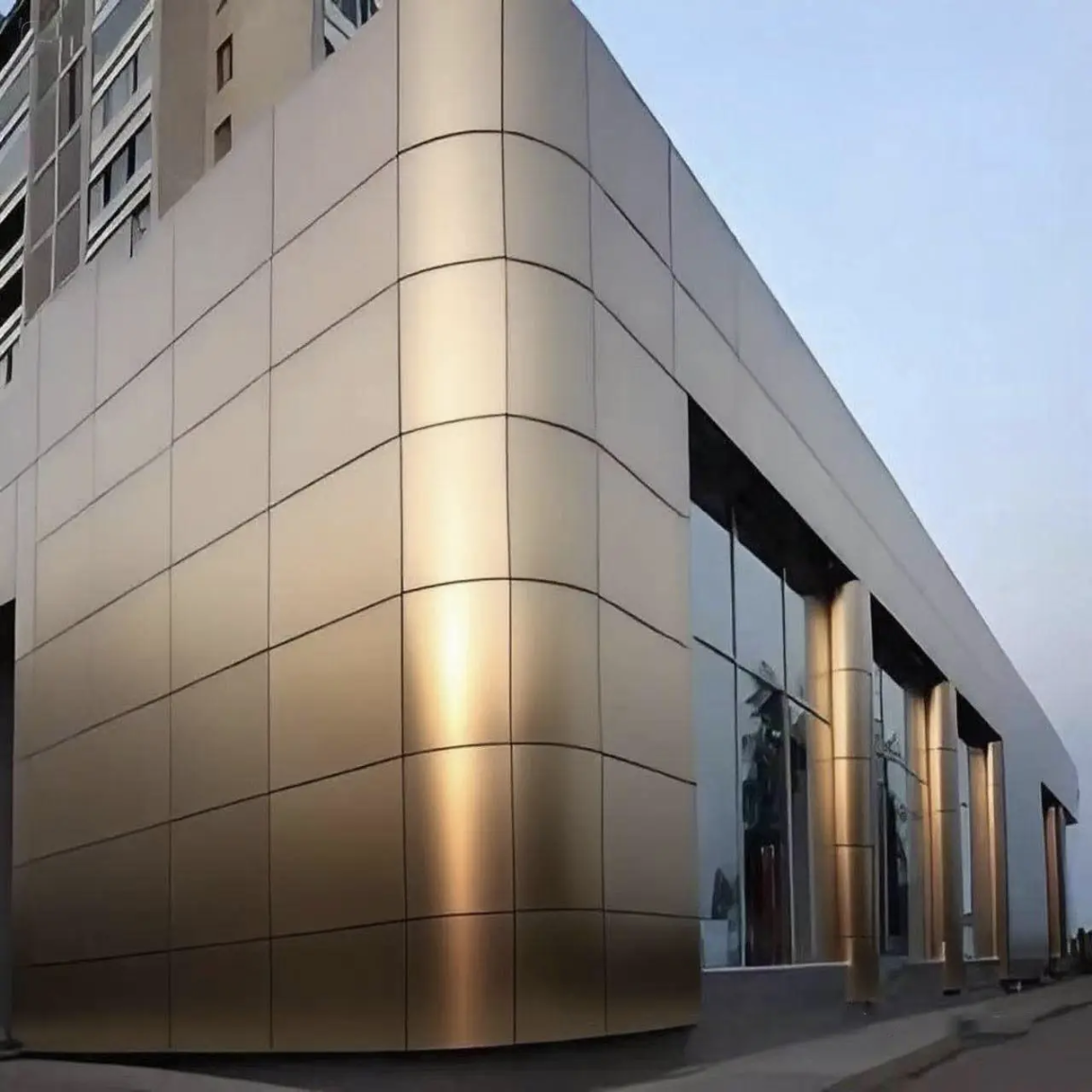
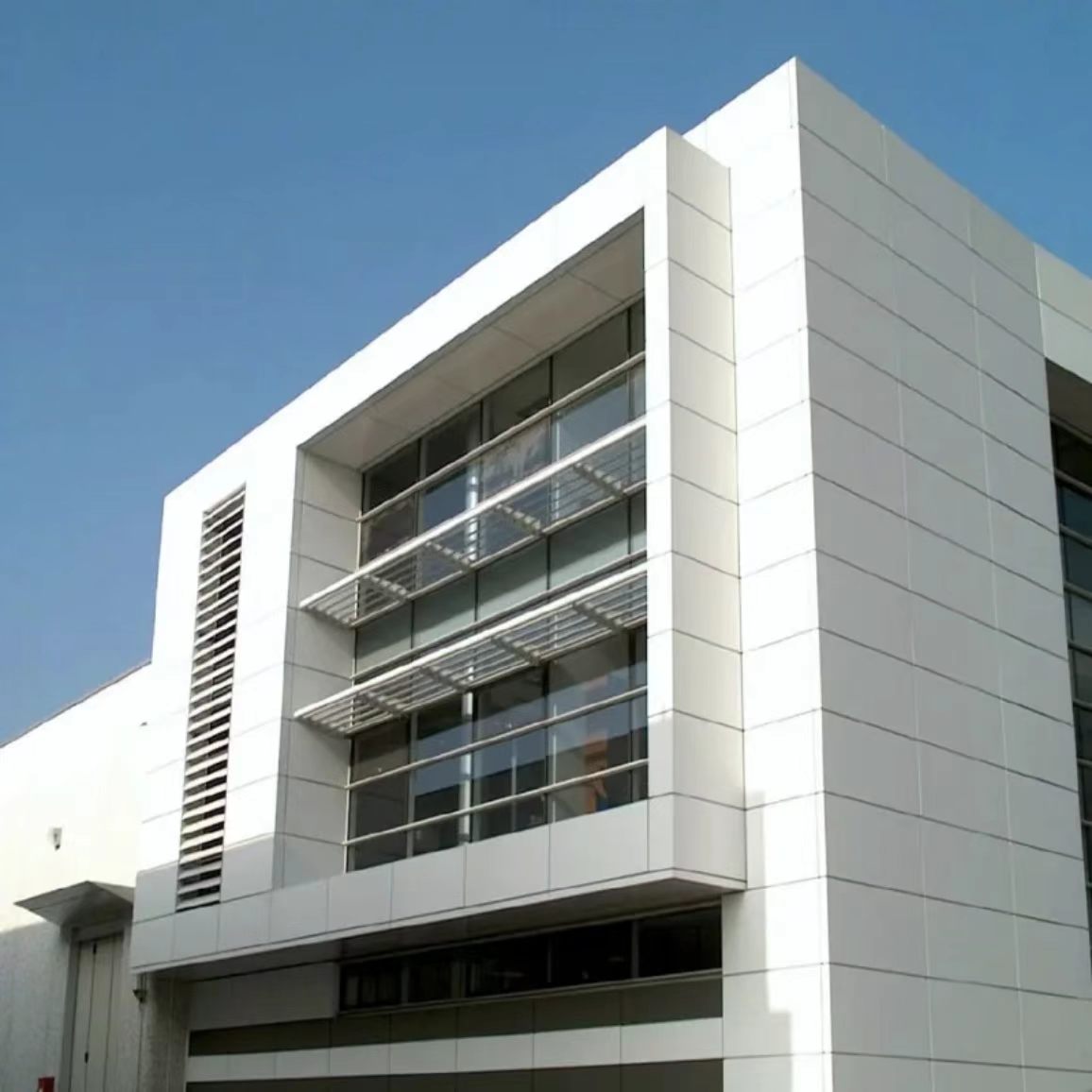
You specify a beautiful Alucobond facade for a coastal project. The design is clean. The renderings look stunning. The client approves the work.
Months after installation, you see the damage. Corrosion around the fasteners. Discoloration at the edges. Bubbles forming beneath the surface. The sleek facade now looks compromised.
Coastal environments are brutal on building materials. Salt-laden air, high humidity, and intense UV exposure create unique challenges that inland projects never face. Even though Alucobond's aluminum skin is corrosion-resistant, joint areas, fasteners, and cut edges require special attention.
This guide explains how to handle Alucobond boards in high-humidity coastal environments. You will learn the four critical failure points. You will understand the material selection criteria. And you will know exactly how to store, install, and maintain your Alucobond panels for decades of performance.
Why Coastal Environments Are Different
Coastal air carries salt particles that accelerate oxidation and corrosion on metal surfaces. High humidity promotes moisture ingress through unsealed edges. Salt spray does not penetrate Alucobond panels themselves, but cut edges must be properly protected to avoid long-term oxidation. Strong UV exposure can fade panel colors over time. High humidity encourages mold and algae growth on exterior surfaces.
In coastal Kenya, Alucobond is exposed to high humidity, salt-laden air, and intense moisture, which increases corrosion risk if low-quality panels or poor installation methods are used. Coastal projects often require thicker panels and a reinforced framing system to handle wind loads.
The four critical failure points in coastal environments:
Failure Point | Cause | Consequence |
Fastener corrosion | Steel mandrels in rivets | Ugly, corrosive edges, panel detachment |
Cut edge ingress | Unsealed edges | Delamination, blistering |
Joint sealant failure | Low-quality sealant | Moisture behind panels, corrosion |
Subframe corrosion | Non-galvanized steel | Structural failure, panel movement |
Part 1: Material Selection — Start with the Right Board
Choose PVDF Coating Over PE
The coating system determines how well your Alucobond board resists coastal conditions. PVDF (polyvinylidene fluoride) coatings significantly outperform standard PE (polyester) coatings in UV resistance. For coastal regions, a PVDF coating with a 4-coat system ensures panels can resist UV rays, salt air, and moisture.
Select Marine-Grade Alloy
For the aluminum skins, look for marine-grade alloy 5005 H24. This alloy provides outstanding corrosion resistance, making the panels highly reliable in humid, coastal, and industrial environments. It prevents rust and degradation while preserving structural integrity and aesthetic finish over the years.
Mineral-Filled Core for Extra Protection
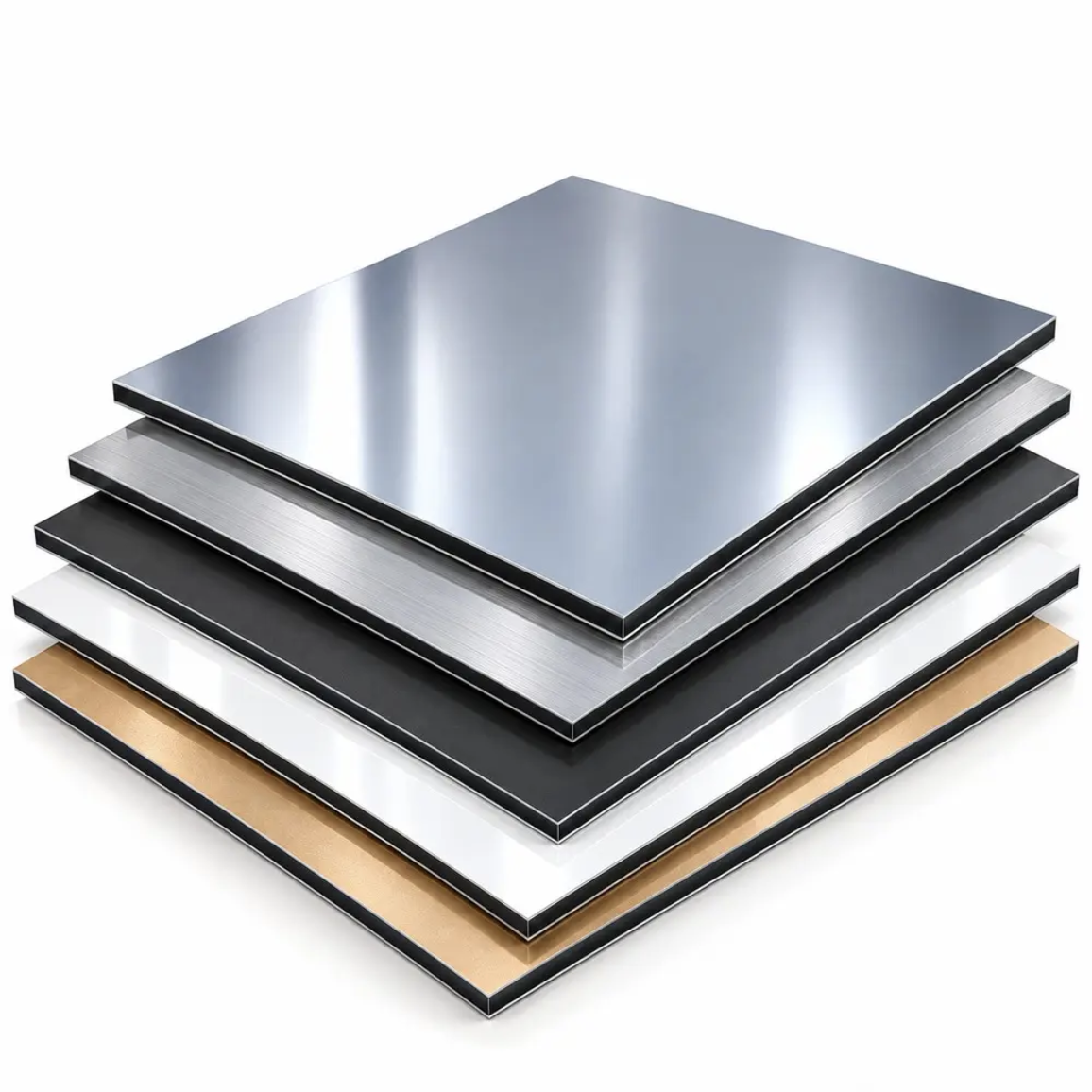
Standard Alucobond boards use a polyethylene (PE) core. For coastal applications, consider boards with a mineral-filled fire-retardant core. These offer enhanced stability and moisture resistance compared to standard PE cores.
Verify Moisture Resistance
When evaluating an Alucobond board for coastal use, check the moisture absorption rating. Premium boards offer water absorption below 0.2% (ASTM C67). This indicates superior resistance to moisture penetration.
Part 2: Transportation and Storage — Before Installation Starts
Protect from Moisture from Day One
Damage can start before the panel ever reaches the wall. ALUCOBOND storage guidelines are explicit: "Protect ALUCOBOND pallets during storage against rain, penetration of moisture and condensation".
Storage rules for coastal environments:
Rule | Why |
Store pallets away from moisture, rain, or water contact | Prevents moisture absorption into the core |
Avoid condensation when moving pallets from cold to warm rooms | Condensation damages the surface |
Stack only pallets of identical size | Prevents damage from uneven stacking |
Maximum 6 pallets stacked | Prevents crushing lower pallets |
Avoid storage exceeding 6 months | Protective film becomes difficult to remove |
Any panels exposed to moisture must be dried | Prevents spots and corrosion |
Critical warning: If an Alucobond board is stored in a humid environment (e.g., for 24 hours), moisture may penetrate the core, which would void the panel warranty.
Part 3: Fastening — The Hidden Corrosion Risk
The Rivet Rule for Coastal Areas
This is one of the most overlooked details in coastal Alucobond installation. ALUCOBOND's official guideline is clear: "For outdoor use and for use in areas of high humidity, make sure to use aluminium blind rivets with stainless steel mandrels to prevent unpleasant corrosive edges".
Why this matters:
When you use aluminum blind rivets with steel mandrels, the steel mandrel can corrode in coastal conditions. The corrosion spreads to the surrounding aluminum. You get ugly, corrosive edges around every fastener. The panel looks damaged. The structural integrity is compromised.
The correct fastener specification:
Component | Component |
Rivet material | Aluminum blind rivets |
Mandrel material | Stainless steel (304 or 316 — 316 for coastal) |
Shaft diameter | 5mm |
Attachment head diameter | | 11mm or 14mm |
Approval | Approved for construction use |
Countersunk rivets | For indoor use only |
Thermal expansion allowance:
Alucobond boards expand at 2.4 mm per meter for every 100°C temperature change. To avoid jamming, the hole in the panel must be large enough to allow for expansion. With the shaft of the rivet fitting closely to the edge of the hole, the attachment head must cover 1 mm of the area surrounding the hole.
Use rivet attachment jigs for fitting blind rivets without jamming, allowing for a tolerance of 0.3mm.
Subframe corrosion protection:
In coastal areas, additional galvanizing is required to prevent corrosion from sea breezes. Use stainless steel hangers (304 or 316 — 316 for coastal areas). Apply protective coatings on structural steel. A well-designed sub-frame is critical for correct load transfer and alignment.
Part 4: Cutting and Edge Sealing — The Most Critical Step
Seal Every Cut Edge
The edge of an Alucobond board is its most vulnerable point. When you cut the panel, you expose the core. In coastal environments, moisture wicks into that exposed core through capillary action.
The rule: Every cut edge must be sealed before installation. Use weatherproof silicone or polyurethane sealant. Cover the entire exposed core. Do not leave gaps.
Cutting method matters:
Heat from cutting can melt the polyethylene core, creating a "smear" of plastic on the cut edge. This prevents the aluminum skins from seating flush and increases delamination risk. Use sharp blades to minimize heat generation.
Part 5: Joints and Sealants — The Moisture Barrier
Use Weather-Resistant Sealants
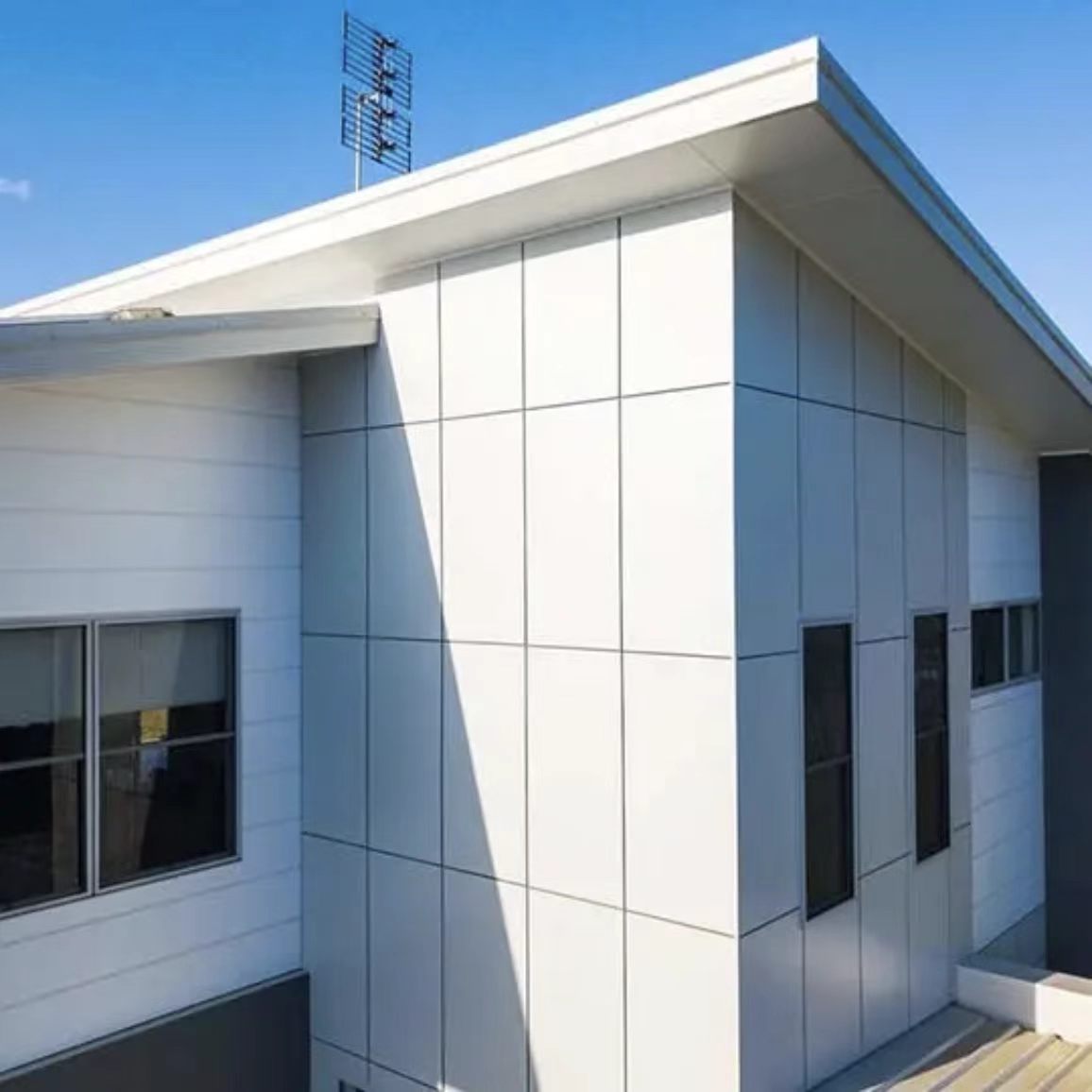
At every joint, use high-quality weatherproof sealants. Good sealing affects how well the facade withstands rain and moisture. In coastal regions, ensure tight sealing of joints.
Proper joint design:
- Use closed-cell polyethylene foam backer rods
- Leave proper expansion gaps for temperature changes
- Apply weather-resistant silicone on all joints
- Coastal installers use extra sealing due to humidity and salt exposure
Ventilation matters:
In coastal environments, ensure proper ventilation and weep-hole positioning. This allows moisture to escape and prevents condensation buildup behind the panels.
Part 6: Installation Timing — When Not to Install
Avoid extreme temperatures:
Refrain from installation if the temperature is below 5°C or above 35°C. High heat can soften the core. Cold temperatures make the material brittle.
Avoid high humidity during installation:
Do not install panels during rain or immediately after. Ensure joints and cut edges are completely dry before sealing. Moisture trapped behind panels causes corrosion and delamination.
Part 7: Maintenance — The Long-Term Protection
Regular Cleaning
Coastal environments deposit salt on panel surfaces. That salt accelerates corrosion if left unchecked.
Cleaning schedule:
- Clean panels every 3–6 months
- More frequently in highly salty environments
- Use a soft cloth, sponge, or non-abrasive brush with mild detergent
- Rinse thoroughly with clean water to remove residual salt or dirt
What NOT to use:
- Do not use sandpaper, metal brushes, or high-pressure washers directly on panels
- Do not use highly alkaline cleaning agents (potassium hydroxide, sodium carbonate, caustic soda)
- Do not use strong acid products or highly abrasive cleaning agents
- Abrasive cleaning can scratch the surface, reducing UV resistance and aesthetic appeal
Routine Inspections
- Inspect panels **bi-annually**, ideally at the start and end of the rainy season
- Check joints, rivets, and screws for signs of corrosion or loosening
- Tighten or replace fasteners as needed to prevent water ingress
- Ensure sealants remain intact, especially in edges exposed to rain and wind
- Look for discoloration, surface deposits, or minor scratches and address immediately
Mold and Algae Prevention
High humidity encourages mold or algae growth on exterior surfaces. Apply non-toxic anti-mold solutions if panels are shaded and humid. Ensure proper drainage around panels to prevent standing water.
The Complete Coastal Installation Flowchart
Start
│
▼
Select materials:
├─── PVDF coating (not PE)
├─── Marine-grade alloy 5005
└─── Mineral-filled core (preferred)
│
▼
Store correctly:
├─── Protect from rain and moisture
├─── Avoid condensation
└─── Maximum 6 pallets stacked
│
▼
Prepare substructure:
├─── Galvanized or stainless steel
└─── 316 stainless steel for coastal
│
▼
Cut panels (sharp blades, minimize heat)
│
▼
Seal all cut edges immediately
│
▼
Install fasteners:
├─── Aluminum blind rivets
├─── STAINLESS STEEL mandrels (304 or 316)
├─── 5mm shaft, 11- 14 mm head
└─── Allow thermal expansion (1mm hole clearance)
│
▼
Seal joints:
├─── Weatherproof silicone
├─── Closed-cell foam backer rods
└─── Extra sealing for coastal
│
▼
Inspect installation
│
▼
Maintain regularly:
├─── Clean every 3-6 months
├─── Inspect biannually
└─── Check fasteners and sealants
│
▼
Done ───► Coastal facade that lasts decades
What to Ask Your Supplier
When you purchase an Alucobond board for a coastal project, ask these questions:
1. What is your panel's PVDF coating thickness? Premium boards use a 4-coat system for superior coastal protection.
2. What is your panel's moisture absorption rate? It should be below 0.2% (ASTM C67).
3. What fasteners do you recommend for coastal areas? The answer should be aluminum blind rivets with stainless steel mandrels.
4. What edge sealing products do you recommend? A knowledgeable supplier will specify weatherproof silicone or polyurethane sealants.
5. Do you provide coastal installation guidelines? A reliable manufacturer will have technical documentation for high-humidity environments.
The Bottom Line
Coastal environments destroy Alucobond boards that are not properly specified, installed, and maintained. The salt-laden air attacks fasteners. The high humidity penetrates unsealed edges. The UV exposure degrades coatings.
But with the right approach, an Alucobond facade can last decades in coastal conditions.
The rules are clear:
- Use PVDF coatings, not PE
- Use aluminum blind rivets with **stainless steel mandrels**
- Seal every cut edge with weatherproof sealant
- Use corrosion-resistant subframes (galvanized or stainless steel)
- Clean panels every 3-6 months
- Inspect joints and fasteners biannually
A reliable supplier of Alucobond boards provides the technical data. Your installation and maintenance determine the quality. Get it right, and your coastal facade stays beautiful for decades. Get it wrong, and corrosion appears within months.
If you take one thing from this guide, make it this. The most expensive Alucobond facade is the one you have to install twice. I have watched contractors make every mistake—steel mandrels, unsealed edges, PE coatings on coastal projects. Every single time, they paid more in rework than the premium materials would have cost. The salt air does not give second chances. But you do not need one if you get it right the first time.---