Welcome to Vbond
How to Prevent Edge Warping on Curved Alucobond Installations
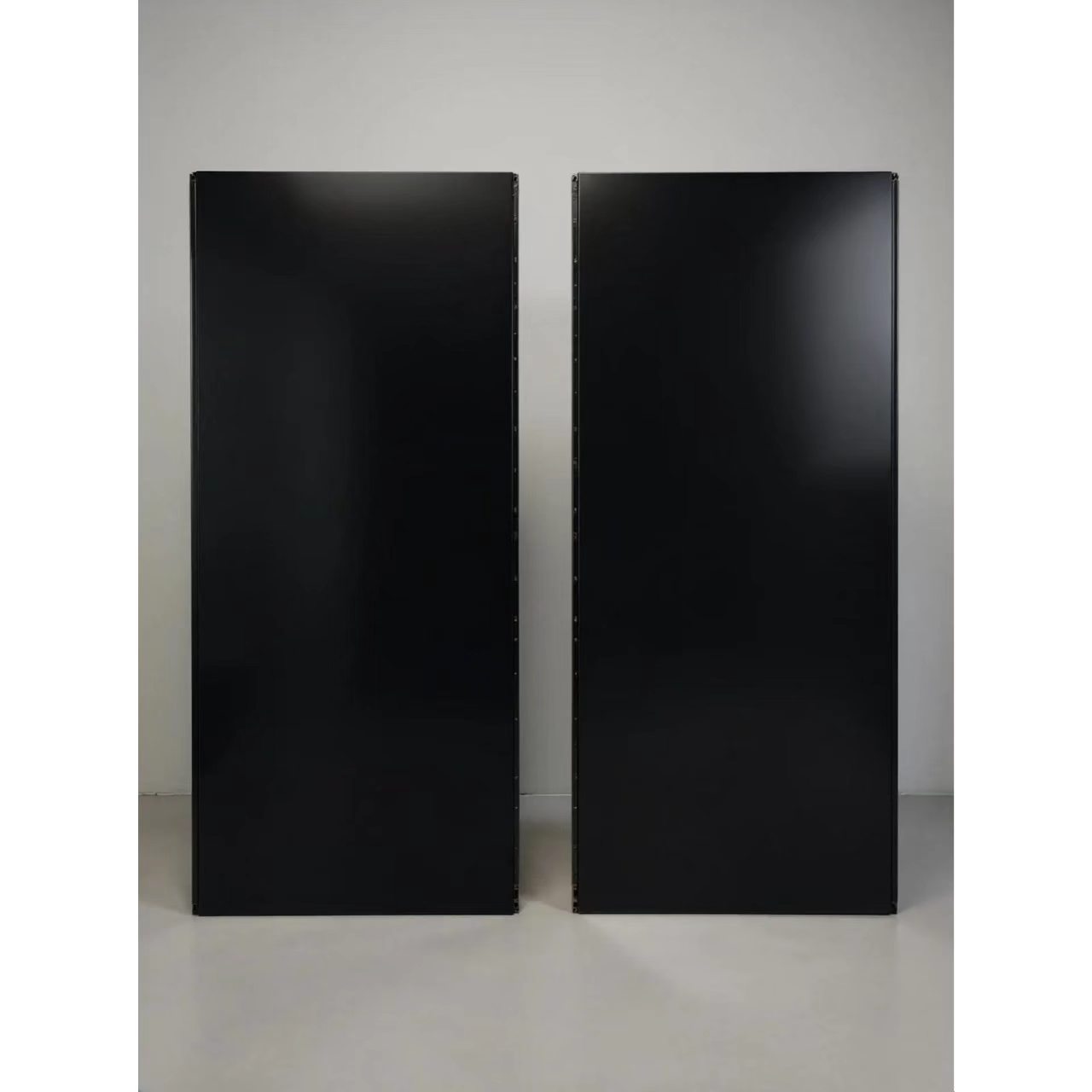
You specify a stunning curved Alucobond facade. The design is bold. The sweeping radius is dramatic. The renderings look breathtaking.
Then the panels arrive. You install them. The curve looks perfect—except at the edges. The corners curl outward. The edges lift. The sleek, continuous curve now looks wavy and damaged.
The problem is not the panel. The problem is the physics of curved metal. When you bend a flat Alucobond sheet into a curve, the edges want to do something else. Without proper technique, they warp.
This guide explains how to prevent edge warping on curved Alucobond installations. You will learn the physics of curved metal. You will understand the four prevention methods. And you will know exactly how to achieve a flawless curved facade.
Part 1: Why Curved Edges Warp
Alucobond is a sandwich panel—two aluminum skins bonded to a core. When you curve the panel, the outer skin stretches. The inner skin compresses. The core transfers stress between them.
What happens at the edges:
The stretching and compressing forces are greatest at the panel edges. The edges want to return to their original flat shape. This creates a "spring-back" effect. The edges curl outward. The corners lift. The curve is no longer smooth.
Why 1500x3000mm panels are more vulnerable:
A large Alucobond 1500x3000mm panel has more material to stretch and compress. The forces are greater. The edges are more likely to warp. The panel's size amplifies the problem.
The evidence:
The industry standard for cold bending Alucobond sheets is that the minimum radius for a 4mm panel is 15 times the panel thickness. For a 3mm panel, the minimum radius is 12 times the thickness. Attempting a tighter radius without proper technique almost guarantees edge warping.
Part 2: The Physics of Curved Metal
When you bend a flat panel into a curve, you create two zones of stress:
The outer zone (stretched):
- The aluminum skin stretches
- The core material is pulled apart
- The metal is in tension
The inner zone (compressed):
- The aluminum skin compresses
- The core material is pushed together
- The metal is in compression
The edge effect:
At the panel edges, the stress is concentrated. The edges have less material to absorb the stress. They are the weakest point. The stress causes them to deform.
The formula for minimum bend radius:
The minimum cold bend radius for Alucobond sheets is:
- 4mm panel: 15 × thickness (≥60mm)
- 3mm panel: 12 × thickness (≥36mm)
If you bend tighter than this, the edges will warp—or the panel will crack.
For an Alucobond 1500 x 3000 mm panel:
A 1500mm x 3000mm panel has a large surface area. The bending forces are significant. The edges are under enormous stress. The minimum radius rules are not suggestions—they are requirements.
Part 3: The Four Prevention Methods
Method 1: The 3-Pressure Gradual Bending Method
This is the industry standard for curved Alucobond. Instead of bending the panel to its final curve in one pass, you apply pressure in three stages. Each stage increases the pressure. Each stage bends the panel a little more.
Pass | Pressure | Maximum Bend Angle | Action |
Pass 1 | 0.5 MPa | Initial forming |
Pass 2 | 0.8 MPa | Progressive curve |
Pass 3 | 1.2 MPa | Completion pass |
The key: rest periods between passes. Allow 2 hours between passes for stress release. This prevents the edges from warping.
Method 2: Heat-Assisted Bending
Cold aluminum is brittle. Warm aluminum is ductile. By heating the panel before bending, you reduce the stress on the edges.
The temperature range:
- Minimum bending temperature: 65°F (18°C)
- Recommended bending temperature: 120°F – 180°F (50°C – 80°C)
- Maximum temperature: 176°F (80°C)
How to heat: Use heat guns or strip heaters. Warm the panel evenly. Do not overheat.
Why it works: Heat makes the aluminum more ductile. The edges stretch more easily. They are less likely to warp.
Method 3: Edge Reinforcement
Adding stiffeners to the panel edges prevents warping. The stiffeners hold the edges in place while the panel is bent.
Options:
- Aluminum edge profiles: Attach to the edges before bending
- Composite stiffeners: Bond to the edges using structural adhesive
- Temporary supports: Remove after the panel is formed
Method 4: Proper Tooling
The roller machine must be set up correctly. The wrong tooling causes edge warping.
Requirements:
- Use a three-roll plate bending machine
- Roller diameter: larger rollers create gentler curves
- Roller spacing: closer spacing reduces edge stress
Part 4: The Step-by-Step Process
Step 1: Plan the curve
Determine the required bending radius. For a 4mm Alucobond sheet, the minimum cold bend radius is 60mm.
Panel Thickness | Minimum Cold Bend Radius |
3mm | 45mm |
4mm | 60mm |
6mm | 90mm |
Step 2: Warm the panel
Heat the panel to 120°F – 180°F (50°C – 80°C) . Warm evenly across the bend area.
Step 3: Set up the roller machine
Adjust the roller positions. Start with a light pressure for Pass 1.
Step 4: Pass 1 — Initial forming
Set the pressure to 0.5 MPa. Pass the panel through the rollers. Bend no more than 15 degrees. Do not force the panel.
Step 5: Rest — Stress release
Leave the panel for 2 hours. This allows the internal stress to dissipate. The edges relax.
Step 6: Pass 2 — Progressive curve
Increase pressure to 0.8 MPa. Pass the panel through the rollers again. Bend no more than 15 degrees.
Step 7: Rest — Second stress release
Another 2-hour rest. The panel needs time to adapt to its new shape.
Step 8: Pass 3 — Completion pass
Increase pressure to 1.2 MPa. Make the final pass through the rollers. The panel reaches its required curve.
Step 9: Inspect the edges
Check the edges for warping, cracking, or distortion. If there are any issues, adjust the process and try again on a sample panel.
Part 5: The Prevention Flowchart
Start
│
▼
Plan curve radius (minimum 60mm for 4mm panel)
│
▼
Warm panel to 120°F – 180°F (50°C – 80°C)
│
▼
Set up three-roll bending machine
│
▼
Pass 1: 0.5 MPa pressure, ≤15° bend
│
▼
Rest 2 hours (stress release)
│
▼
Pass 2: 0.8 MPa pressure, ≤15° bend
│
▼
Rest 2 hours (stress release)
│
▼
Pass 3: 1.2 MPa pressure, final angle
│
▼
Inspect edges for warping or distortion
│
├─── Warping detected ───► Add edge stiffeners, repeat process
│
No warping
│
▼
DONE ───► Smooth, warp-free curved Alucobond panel
Part 6: Common Mistakes to Avoid
Mistake 1: Bending too fast
Rapid bending traps stress in the panel. The stress causes the edges to warp.
Fix: Use the 3-pressure gradual method. Allow rest periods between passes.
Mistake 2: Bending cold
Cold aluminum is brittle. The edges crack or warp.
Fix: Warm the panel to 120°F – 180°F before bending.
Mistake 3: Bending too tight
Tight radii exceed the aluminum's elastic limit. The edges warp.
Fix: Do not exceed the minimum bend radius. For 4mm panels, the minimum is 60mm.
Mistake 4: Forgetting rest periods
Skipping rest periods traps stress in the panel. The stress causes edge warping.
Fix: Allow 2 hours between passes for stress release.
Mistake 5: Ignoring edge support
Without edge reinforcement, the edges can warp.
Fix: Add aluminum edge profiles or temporary supports.
What to Ask Your Supplier
When you purchase an Alucobond 1500x3000mm sheet for a curved project, ask these questions:
1. What is the minimum bend radius for this panel? A knowledgeable supplier will specify a 60 mm minimum for 4mm panels.
2. Do you offer pre-curved panels? Some suppliers can pre-curve panels to your specification.
3. What equipment do you recommend for curved bending? The answer should be a three-roll plate bending machine.
4. Do you provide edge reinforcement recommendations? A reliable supplier will have technical documentation.
5. What is your recommended panel temperature for bending? The answer should be 120°F – 180°F.
The Bottom Line
Curved Alucobond panels are stunning when done right. They are a disaster when done wrong. The edges warp. The curve breaks. The facade looks wavy.
The physics is clear: when you bend a flat Alucobond sheet into a curve, the edges are under enormous stress. Without proper technique, they deform. The 3-pressure gradual method, heat-assisted bending, edge reinforcement, and proper tooling prevent this deformation.
For an Alucobond 1500x3000mm panel, the stakes are even higher. The panel is large—1500mm wide, 3000mm long. It is heavier. It has more material to bend. The forces on the edges are greater. The risk of warping is higher.
But the rules are the same. Follow the minimum bend radius. Use the 3-pressure method. Allow stress release. Warm the panel. Reinforce the edges.
When you walk that site twelve months from now, standing in front of a smooth, continuous curved Alucobond facade with no edge warping in sight, you will know—not hope, not guess, but *know*—that the installation was right. Because you followed the physics. Because you allowed time for stress release. Because you refused to let a simple oversight destroy a premium curved facade.
The panel is only as smooth as the process that formed it. Follow the process. Your facade depends on it.