Welcome to Vbond
PE vs PVDF on ACP: True 15-Year Cost of Re-Coating vs Buying Once
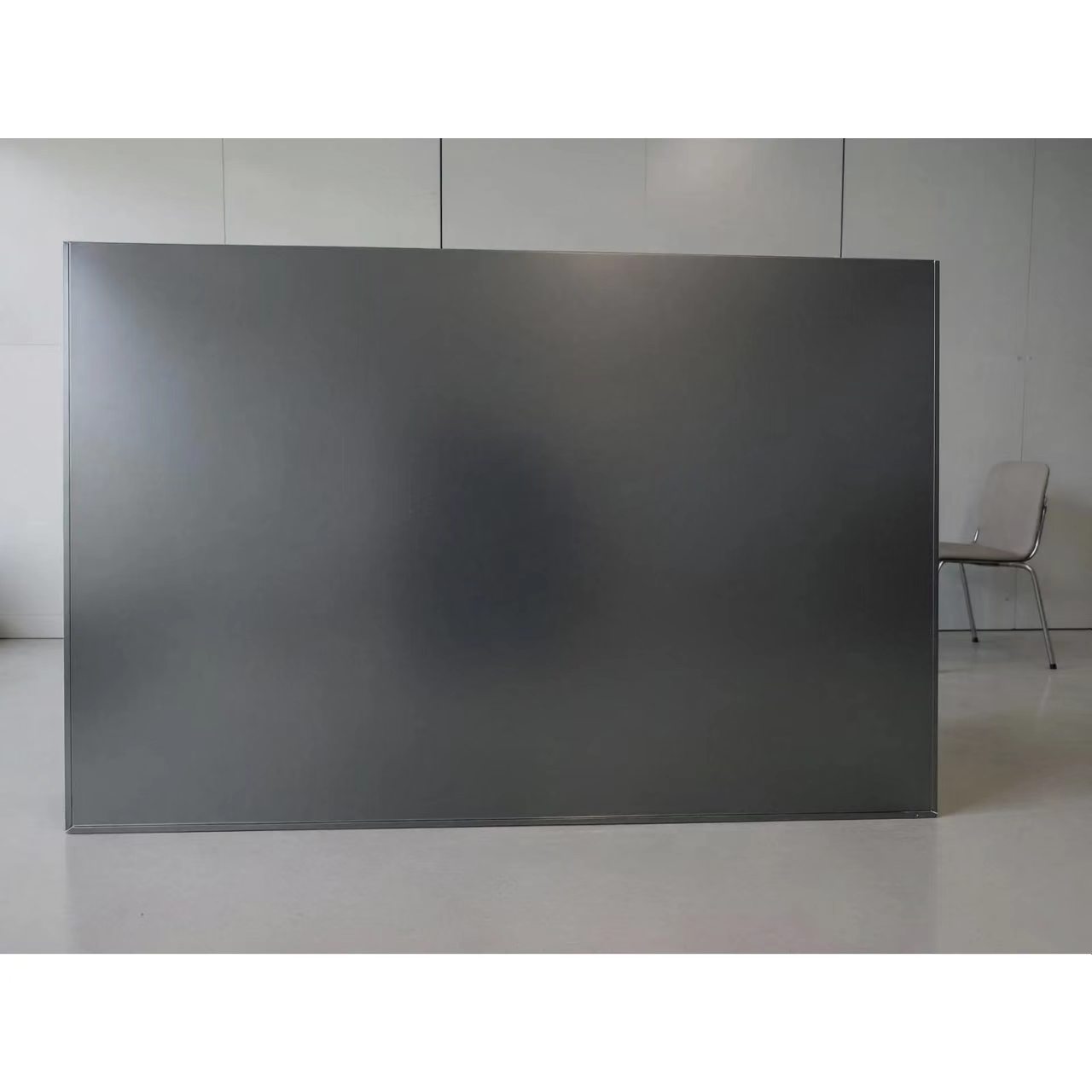
A PE-coated ACP panel looks like the cheaper choice on bid day. The per-square-foot price is lower, and the color samples match. That price hides the second invoice—the one that arrives when the film chalks, fades, and stops protecting the aluminum.
The 15-year cost of a facade is not the panel price. It is the panel price plus every dollar spent getting back to the wall. PE forces that second trip. PVDF does not.
This guide breaks down the real 15-year math for a PE-coated Alucobond facade against a 70% PVDF system. It uses current US-market cost ranges, explains why the installation line item dwarfs the material line item, and shows where the crossover point falls.
The Number Buyers See First—and the Number They Miss
Panel material is the visible cost. It is also the smallest part of a finished facade.
On a typical commercial project, **labor, fabrication, framing, and access make up 60% to 75% of the installed cost**. The panel itself is the minority share. That fact changes every comparison between PE and PVDF.
A PE panel saves money on the material line. It costs the same to install as a PVDF panel. So the percentage premium for PVDF looks larger than it is, and the percentage savings from PE looks smaller than it is.
Here is the per-square-foot picture using current US ranges:
Line item | PE coated Alucobond (4mm, 0.5mm skins) | PVDF coated Alucobond (70% Kynar, 4mm) |
Material only | $2.50 – $5.00 | $4.00 – $7.00 |
PVDF premium over PE | - | +$0.75 to +$2.00 |
Installed cost | $12 – $25 | $20 – $35 |
Table 1. Material and installed cost ranges for 4mm architectural ACP. Material ranges from 2026 panel pricing data; the PVDF premium of $0.75–$2.00 per square foot reflects coating cost differences. Installed ranges reflect labor, framing, and access at 60–75% of total cost.
The PVDF premium on material runs $0.75 to $2.00 per square foot. On a 1,000-square-foot wall, that is $750 to $2,000 extra at purchase. That number feels significant on a bid sheet.
It is small next to what comes later.
What PE Actually Costs Across 15 Years
PE coating on an exterior facade does not last 15 years. It fails within that window.
Service life. PE-coated ACP in exterior service shows fading, chalking, and gloss loss in three to eight years. Sun-exposed elevations fade visibly within ten years. PE is a product for interiors and signage, not permanent exterior cladding.
What “re-coating” means in practice. You cannot repaint a factory-applied coil coating on a finished facade and restore the warranty. Field painting an ACP wall produces a different film with no AAMA rating and no color-match guarantee to the original panels. In most cases, the real remedy is panel replacement, not recoating.
That distinction drives the 15-year math.
Replacement cost drivers. A facade replacement carries three major costs:
- New panels. Full material cost for the wall area.
- Access. Scaffolding runs $15 to $40 per square foot for facade work, and rope access or aerial lifts add daily mobilization charges. Access often outweighs the panel price on a tall building.
- Labor. Remove the old panels, dispose of them, prepare the substrate, and install the new system. Labor and access repeat in full.
A real project shows the scale. Repairing 100 m² of blistered ACP ran $21,250 in labor and materials, while replacing the same area with premium ACP reached $27,140. That is a small area. Scale it to a full facade, and the number moves into six figures fast.
The failure mode that triggers replacement is not only cosmetic. PE chalking removes the protective film. Moisture reaches the aluminum skin. Delamination at cut edges and joints is the main structural failure mode, and it can start before the coating’s visible fade becomes obvious.
What PVDF Costs Across 15 Years
PVDF does not need a second trip in the 15-year window.
Service life. A 70% PVDF system tested to AAMA 2605 carries a written warranty of 20 years or more on color, chalk, and film integrity. Premium PVDF finishes reach 35 to 40 years of warranty coverage on tested systems. Visual service life for properly installed PVDF ACP runs 20 to 30 years.
AAMA 2605 is the anchor. The standard requires 10-year South Florida outdoor exposure plus 4,000-hour humidity and salt-spray testing. A coating that passes does not chalk or lose adhesion inside the warranty window under normal exposure.
Maintenance within 15 years. PVDF facades need periodic washing—typically twice a year in most climates—to remove dirt and pollutants. That is a routine operating cost, not a capital event. No scaffold program, no panel removal, no disposal.
The 15-year cost is the purchase price plus washing. Nothing else.
The Crossover: Where PVDF Becomes the Cheaper Wall
Build the comparison for a 1,000-square-foot facade using conservative mid-range numbers.
PE path, 15 years
Year 0: Install PE-coated Alucobond $18,000
Year 6: Replace failing PE panels + access $22,000
Year 12: Second replacement cycle begins $22,000 (or full wall if phase 1 failed early)
15-year total ~$62,000
PVDF path, 15 years
Year 0: Install PVDF-coated Alucobond $27,500
Years 1–15: Wash twice yearly ~$4,000
15-year total ~$31,500
Figure 1. Illustrative 15-year cost comparison for a 1,000 sq ft facade. Install figures reflect mid-range installed costs from Table 1; replacement figures apply the same access and labor share to a second mobilization. Actual project costs vary with height, access method, and region.
The illustrative numbers show the pattern clearly. PE’s lower purchase price disappears after the first replacement cycle. The second mobilization—scaffold, labor, disposal, new panels—costs more than the original installation because it repeats the access and labor share without any new building value.
PVDF pays once. PE pays two or three times.
The crossover typically lands between year six and year nine, when the first PE replacement cycle occurs. Every year after that widens the gap. By year 15, the PVDF facade has a lower cumulative cost and a film that still carries warranty coverage, while the PE wall is entering its second failure cycle.
Why the Premium Is Smaller Than It Looks
Two facts keep the PVDF premium from being the barrier buyers assume.
The premium is on material only. PVDF adds $0.75 to $2.00 per square foot to the panel price. It does not add to labor, framing, or access—those costs are the same for either coating. The percentage premium on the installed cost is therefore smaller than the percentage premium on the panel.
The PE savings are one-time. The lower panel price applies once, at purchase. The replacement cost applies every cycle. A buyer who saves $1,500 on PE material at purchase can spend $20,000 or more replacing the wall inside 15 years.
On a PE-coated Alucobond facade, the purchase savings are real. They are also the only savings the project will ever see. Every later year works against the decision.
What Changes the Math in Either Direction
The crossover moves based on site conditions and project details.
Moves toward PVDF being cheaper sooner:
- High-UV or coastal site. PE fails faster, so replacement arrives earlier.
- Tall building or difficult access. Scaffolding and access costs rise with height, and the replacement bill rises with them.
- Occupied building. Facade work disrupts tenants and operations. That cost does not appear on the panel invoice but lands on the owner.
- Long ownership horizon. A 15-year or 30-year hold lets PVDF run its full service life while PE cycles twice.
Moves toward PE being defensible:
- Interior or fully sheltered wall. PE performs in interior service and costs less.
- Temporary structure with a horizon under five years. A hoarding or short-term enclosure does not need a 20-year film.
- Low-access, low-rise, non-critical facade where replacement is inexpensive and the owner accepts a short service window.
For any permanent exterior facade on a building the owner intends to keep, the PE case weakens with every year of the analysis.
Bottom Line for Buyers
Compare total 15-year cost, not panel price. A PE-coated Alucobond facade costs less on day one and more by year six, because the replacement cycle repeats the access, labor, and disposal costs that dominate a facade budget. A PVDF-coated Alucobond panel built to AAMA 2605 costs more at purchase and carries the wall through 15 years on one installation plus routine washing.
The material premium runs $0.75 to $2.00 per square foot. The first PE replacement cycle runs many times that number, and access alone can add $15 to $40 per square foot.
Buy once, or buy twice. The 15-year math favors buying once.