Welcome to Vbond
Premature Chalking: The #1 Complaint About Cheap Aluminum Composite Panels
Premature Chalking: The #1 Complaint About Cheap Aluminum Composite Panels
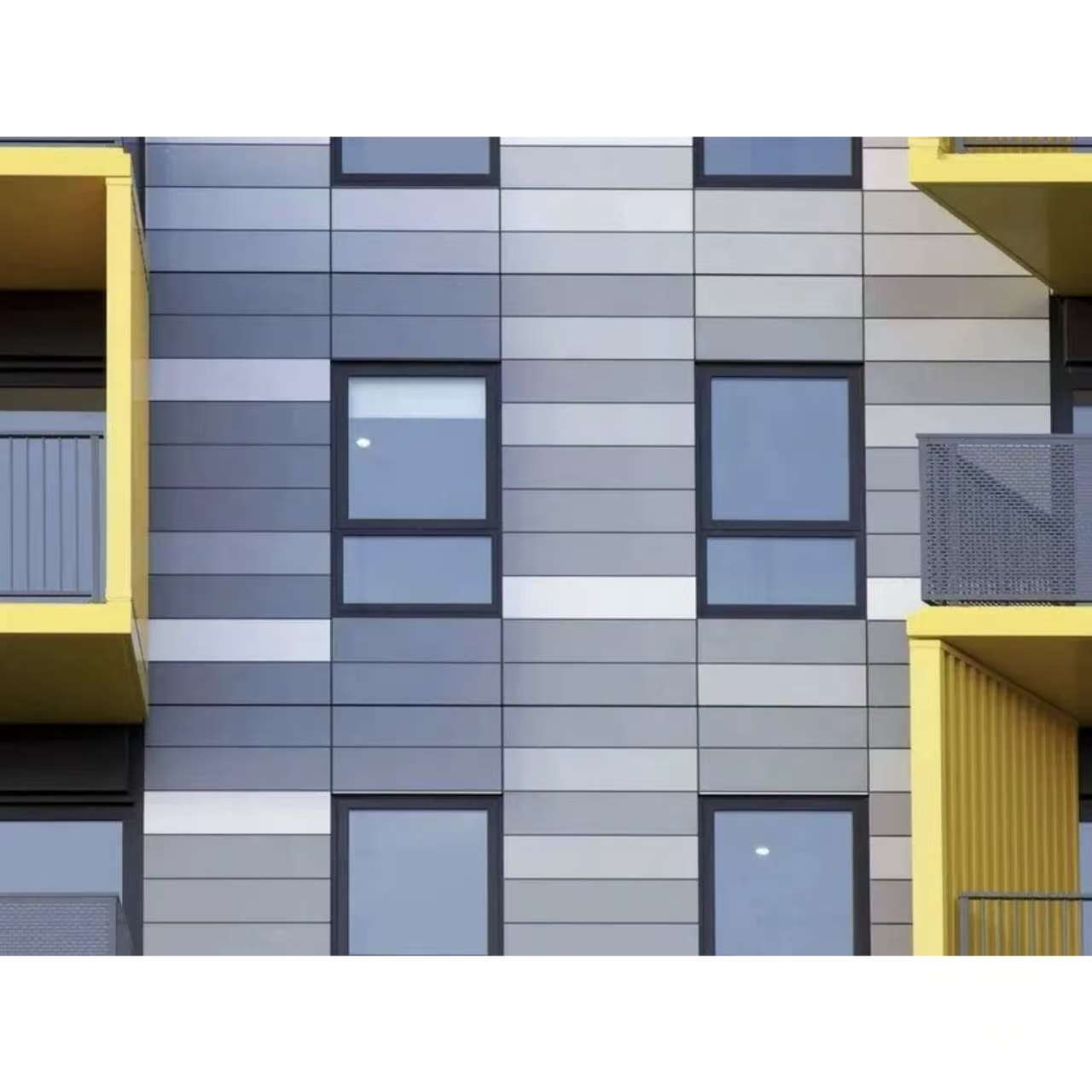
You have seen it before. A building that looked stunning at completion, its facade shimmering in metallic brilliance. A few years later, it looks washed out, faded, and dusty—not from dirt, but from a slow, chemical death of its coating.
This phenomenon is called chalking. It is the most common, most visible, and most costly complaint regarding low-cost Aluminum Composite Panels (ACPs).
While premium ACPs using PVDF (Polyvinylidene Fluoride) coatings can maintain their integrity for decades, cheap panels—specifically those using Polyester (PE) coatings —begin to degrade almost immediately upon exposure to the sun. For procurement professionals, understanding chalking is essential to avoid specifying a facade that will look prematurely aged and require expensive replacement.
This guide explains what chalking is, why cheap panels are vulnerable, and how to ensure you get coatings that last.
1. What is Chalking? The Visual Indicator of Coating Death
Chalking is the formation of a loose, powdery layer on the surface of a painted or coated material. When you run a finger across a chalked panel, you will pick up a fine white or colored powder.
The Scientific Reality: The coating's resin (the "binder" holding the paint together) has been broken down by UV radiation. As the resin degrades into microscopic particles, it releases pigment powders onto the surface. While the underlying aluminum might still be intact, the aesthetic quality and protective layer are gone.
The Technical Metric: The industry standard for measuring this degradation is ASTM D4214, which assesses the degree of chalking by transferring residue to fabric or tape and comparing it to photographic references.
2. Polyester (PE) vs. Fluorocarbon (PVDF): The Inevitable Failure
The primary driver of premature chalking is the chemistry of the coating. There is a stark contrast between the two dominant coating types used in ACP manufacturing.
The Polyester (PE) Problem
Cheap ACPs rely on Polyester coatings for cost savings. While polyester is flexible and inexpensive, it is chemically vulnerable.
- The Mechanism: The polymer chains in PE contain ester bonds. These bonds are easily broken by the high-energy UV rays in sunlight.
- The Result: Within 3 to 5 years of outdoor exposure, cheap PE coatings exhibit severe chalking, fading, and gloss loss.
- Limitation: Industry experts note that PE coatings are **"mostly suitable for interior and low-UV outdoor applications". This mismatch is why building owners are often shocked when their external "architectural" panels fail rapidly.
The PVDF Solution: The Carbon-Fluorine Bond
Premium ACPs utilize PVDF coatings (often brand-named Kynar 500®).
- The Chemistry: The carbon-fluorine (C-F) bond used in PVDF is one of the strongest chemical bonds in nature.
- The Result: Extreme resistance to UV penetration, chemical attack, and humidity.
- Longevity: These coatings are engineered for superior color stability and chalk resistance, guaranteed for 20+ years.
The Verdict: If a supplier is vague about the coating type or offers a "generic" PVDF, be cautious. Genuine PVDF contains at least 70% fluoropolymer resin, while low-cost "PE" will initiate chalking within months of installation.
3. The Procurement Guide: How to Avoid Chalking
To avoid the financial and aesthetic disaster of a chalked facade, procurement professionals must verify coating performance.
1. Demand AAMA 2605 Compliance
Do not settle for "PVDF-like" or "Weather-resistant coating." AAMA 2605 is the gold standard for high-performance architectural coatings. Specifying this requires the paint to withstand rigorous accelerated weathering and chemical exposure tests.
2. Check the Thickness (The "Mil" Count)
Paint thickness is the barrier against the sun. Cheap panels often reduce paint thickness to save money.
- Standard PE: Often only applied at 16-18 microns.
- PVDF Minimum: Must achieve at least 25 microns thickness to pass GB/T 17748-2016 and AAMA standards.
Takeaway: A thicker coat means more resin between the sun and the substrate, delaying chalking.
3. Verify the Warranty
- Cheap Polyester Panels: Usually offer a 5 to 7-year warranty for color and chalk resistance. However, many manufacturers go out of business or use fine print to exclude UV degradation.
- Premium PVDF Panels: Offer 20 to 30-year warranties, backed by established chemical companies like PPG or AkzoNobel, because the C-F bond simply does not break down.
4. The Cost of Ignorance vs. The Value of Quality
The "Cheap" Trap
Many developers choose "Class B" or unbranded ACPs because the initial purchase price is 30-40% lower than premium PVDF brands.
- Year 1-3: Appearance is acceptable.
- Year 4-6: Visible fading and obvious chalking begin.
- Year 7-10: The building requires repainting or replacement, often costing 10x the original material savings due to scaffolding, labor, and downtime.
The Quality Advantage
Choosing PVDF-specified ACPs ensures that the building's "first impression" lasts for the lifetime of the structure. You are not buying paint; you are buying a chemical shield against the sun.
Conclusion
"Premature chalking" is not a manufacturing defect in cheap panels; it is a chemical inevitability. When you specify low-cost Polyester-coated ACPs for outdoor use, you are accepting that the building will look old before its time.
For procurement professionals, the solution is to specify true PVDF coatings with documented AAMA 2605 compliance and verifiable thickness. This ensures that the facade remains vibrant, professional, and maintenance-free for decades, commanding higher property values and avoiding expensive remediation.
Final Recommendation: Next time a salesman offers a "bargain" ACP, ask to see the ASTM D4214 chalk rating. If they cannot provide it, or if the rating is below 8 after accelerated testing, reject the purchase. The sun will not negotiate; it will simply degrade the resin.