Welcome to Vbond
The Importance of AAMA 2605 Certification for Exterior Aluminum Composite Panels
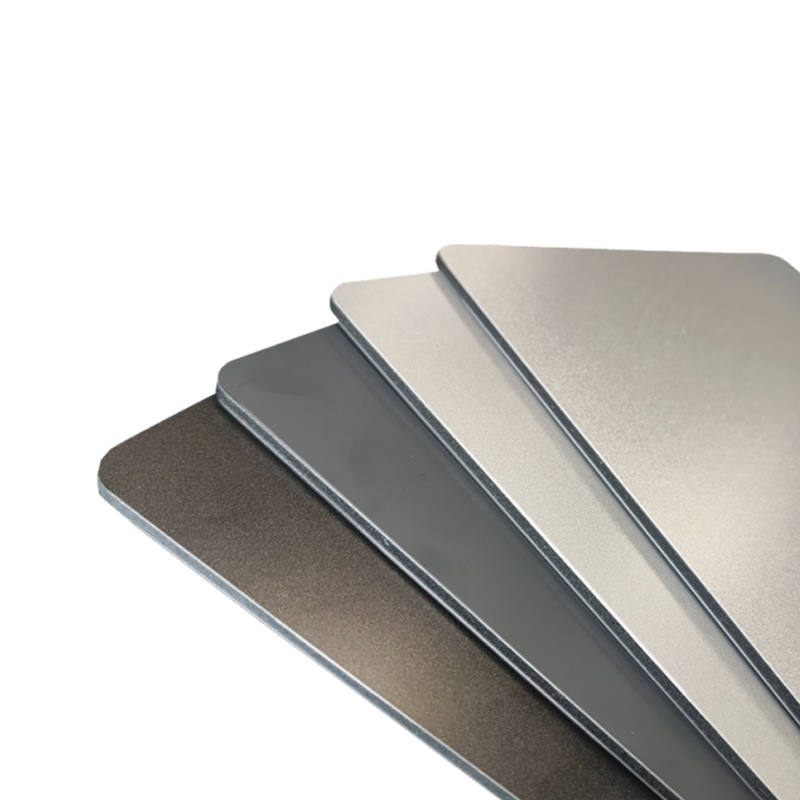
The Importance of AAMA 2605 Certification for Exterior Aluminum Composite Panels
When specifying aluminum composite panels (ACPs) for exterior applications, procurement professionals face a critical question: How can you be certain the panels will maintain their appearance and protective properties for decades rather than failing within years?
The answer lies in understanding the coating performance hierarchy established by the American Architectural Manufacturers Association (AAMA), now part of the Fenestration and Glazing Industry Alliance (FGIA). Among the three specification levels—AAMA 2603, AAMA 2604, and AAMA 2605**—the highest tier, AAMA 2605, represents the gold standard for exterior architectural coatings.
This guide explains why AAMA 2605 certification is essential for exterior aluminum composite panels, what the certification requires, and how procurement professionals can verify compliance.
1. The Three AAMA Coating Specifications: Understanding the Hierarchy
The AAMA has established three voluntary performance specifications for organic coatings on aluminum extrusions and panels. Each level represents a distinct performance tier suitable for different applications.
Specification | Coating Type | PVDF Resin Content | Suggested Use |
AAMA 2603 | Baked enamel (acrylic/polyester) | Not applicable (no PVDF) | Interior applications, residential |
AAMA 2604 | High-performance organic coating | 50% PVDF resin | Commercial/industrial, high-traffic areas |
AAMA 2605 | Superior-performing organic coating | 70% PVDF resin | Monumental architecture, high-rise towers, coastal projects |
The fundamental difference lies in the resin technology. AAMA 2605 requires coatings based on 70% PVDF (polyvinylidene fluoride) resin or FEVE-based fluoropolymer systems. The carbon-fluorine bond in PVDF is exceptionally strong, providing superior resistance to UV degradation, chemical attack, and weathering.
2. The 10-Year South Florida Exposure Test: The Gold Standard
The most demanding requirement for AAMA 2605 certification is the 10-year South Florida exposure test. This is not accelerated laboratory testing—it is real-world exposure to one of the harshest natural environments in North America.
What the South Florida Test Involves
- Location: South Florida (high UV radiation, high humidity, salt spray, sand)
- Duration: 10 years of continuous outdoor exposure
- Orientation: 45° south-facing (maximum sunlight exposure)
- Evaluation metrics: Color change, chalking, gloss retention, erosion
Performance Requirements After 10 Years
Performance Metric | AAMA 2605 Requirement | AAMA 2604 (5-Year) | AAMA 2603 (1-Year) |
Color retention (fade) | ≤5 ΔE (delta E) | ≤5 ΔE (5 years) | "Slight" fade (1 year) |
Chalk resistance | Rating ≥8 | Rating ≥8 | "Slight" chalk |
Gloss retention | ≥50% of the original | ≥30% of the original | No specification |
Erosion resistance | ≤10% film loss | ≤10% film loss | No specification |
As PPG, a leading coating manufacturer, explains: "To meet the AAMA 2605 standard, coatings must pass a demanding 10‑year South Florida exposure test, proving outstanding fade resistance (≤5 ΔE), chalk resistance (≥8), and gloss retention (≥50%)".
Chalking is measured according to ASTM D4214 (Standard Test Methods for Evaluating the Degree of Chalking of Exterior Paint Films), with a rating of 8 representing minimal surface powdering.
3. Accelerated Testing Requirements
Beyond natural weathering, AAMA 2605 requires extensive accelerated laboratory testing to validate coating durability.
Test | AAMA 2605 Requirement | AAMA 2604 | AAMA 2603 |
Salt spray resistance (ASTM B117) | 4,000 hours | 3,000 hours | 1500 hours |
Humidity resistance (ASTM D2247) | 4,000 hours | 3,000 hours | 1500 hours |
Dry film thickness (minimum) | 1.2 mils (30 μm) | 1.2 mils (30 μm) | 0.8 mils (20 μm) |
Chemical resistance | Required | Required | Less stringent |
Impact resistance | Required | Required | Required |
The 4,000-hour salt spray requirement is particularly critical for coastal projects, where chloride-induced corrosion is the primary failure mechanism for low-grade panels.
4. Coating System Components: Primer + Topcoat + Clear Coat
AAMA 2605 certification applies to complete coating systems, not just topcoats. The standard requires:
Pretreatment
For AAMA 2605, the pretreatment system must meet specific requirements. When using chrome-based pretreatment, a minimum of 40 mg of chromium per square foot is required to ensure proper adhesion and corrosion protection.
Primer
A corrosion-inhibiting epoxy primer or compatible primer system must be applied before the topcoat.
Topcoat
The color coat must contain a minimum 70% PVDF resin by weight of resin solids. This high fluoropolymer content provides the exceptional UV and chemical resistance that characterizes AAMA 2605 finishes.
Clear Coat (Optional)
For three-coat systems, a clear topcoat provides additional protection and can enhance gloss.
5. Why AAMA 2605 Matters for Exterior ACPs
Long-Term Appearance Retention
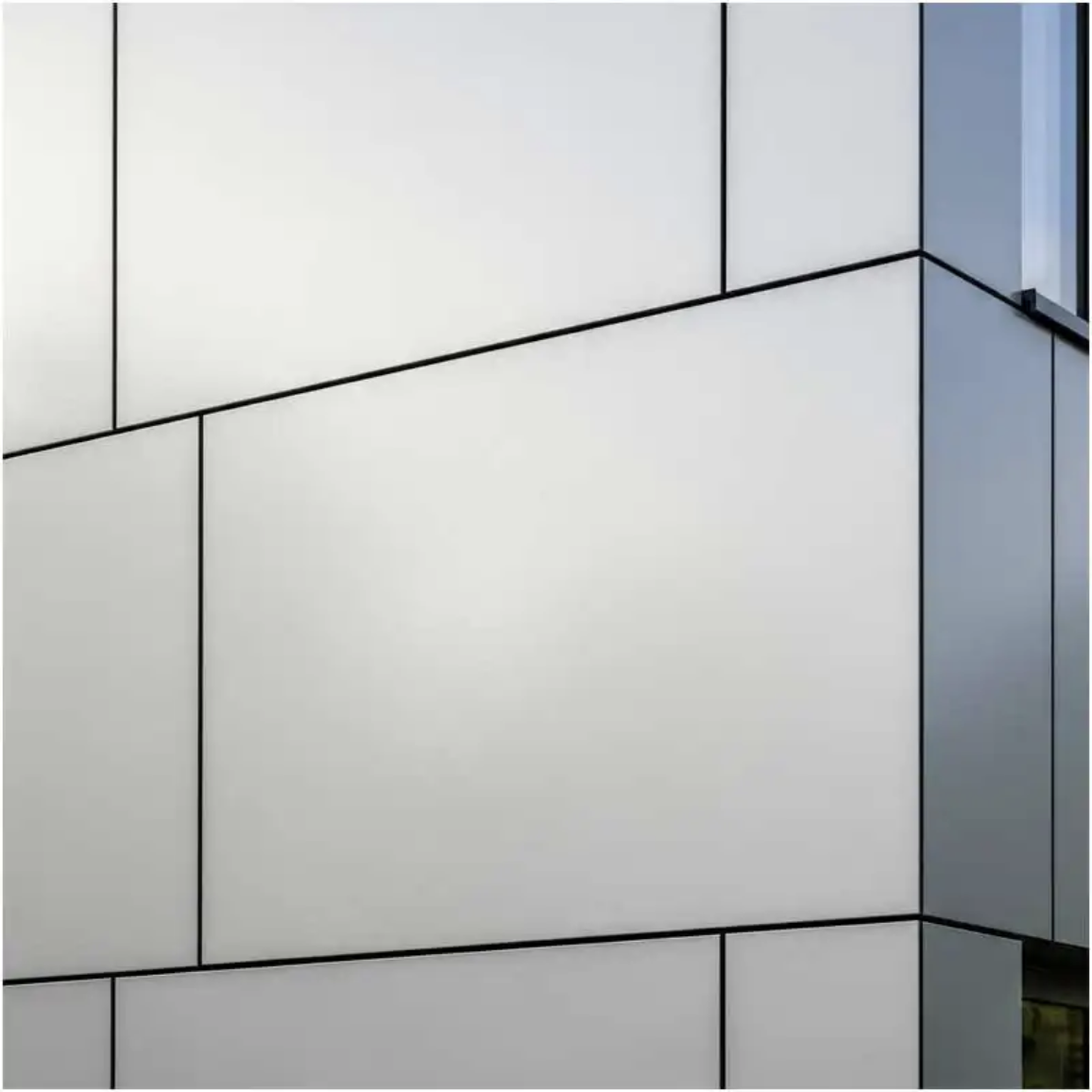
Buildings clad with AAMA 2605-certified panels maintain their original appearance for decades. The specification's 50% gloss retention requirement after 10 years of Florida exposure ensures that facades do not fade, chalk, or deteriorate visibly.
Alumaflame, a manufacturer of premium ACPs, states: "AAMA 2605 certified to resist fading and chalking" and notes that their panels offer "excellent strength to weight ratio" and "built-in graffiti resistance".
Coastal and Harsh Environment Protection
The 4,000-hour salt spray requirement (ASTM B117) makes AAMA 2605 the appropriate specification for coastal projects, high-humidity environments, and areas with industrial pollution.
Warranty and Liability Protection
AAMA 2605-certified coatings typically carry 10-year warranties from coating manufacturers, providing documented assurance of performance. For monumental projects—high-rise towers, curtain walls, airports, stadiums—this warranty is essential for risk management.
Code Compliance
Many building codes and project specifications now reference AAMA 2605 as the minimum standard for exterior architectural coatings on high-rise buildings. Using certified panels helps ensure that your project meets regulatory requirements and passes building inspections.
6. Applications Requiring AAMA 2605 Certification
AAMA 2605 is specified for projects where coating failure would be costly, dangerous, or aesthetically unacceptable :
- High-rise buildings and towers (facade replacement is extremely expensive)
- Curtain wall systems (highly visible, difficult to access)
- Coastal/marine projects (salt spray exposure)
- Airports and transportation facilities (extremely high UV exposure on tarmac)
- Stadiums and arenas (high visibility, long-term appearance critical)
- Corporate headquarters and flagship buildings (brand image depends on appearance)
- Healthcare facilities (long-term durability, low maintenance requirements)
AkzoNobel, a global coating manufacturer, notes that its TRINAR ULTRA coating line "exceeds AAMA 2605 specification" and is "ideal for high-rise monumental projects" with "over 50+ years of proven performance".
7. How to Verify AAMA 2605 Certification
When evaluating ACP suppliers, take the following steps to verify AAMA 2605 compliance:
Request Coating Manufacturer Certificates
Ask for batch-specific certificates from the coating manufacturer (e.g., PPG, AkzoNobel, Sherwin-Williams) stating that the coating meets AAMA 2605 and contains a minimum 70% PVDF resin.
Verify Third-Party Testing
Confirm that the coating has been tested by an accredited laboratory to AAMA 2605 requirements, including 10-year South Florida exposure data or 4,000-hour accelerated testing results.
Check Dry Film Thickness
Use a handheld coating thickness gauge on delivered panels. AAMA 2605 requires a minimum of 1.2 mils (30 μm) total dry film thickness for two-coat systems.
Request Batch Traceability
Ensure that coating certificates are traceable to the specific batch of panels delivered, with matching batch numbers on documentation and panel markings.
Look for AAMA 2605 in Product Literature
Reputable manufacturers prominently advertise AAMA 2605 compliance. ALPOLIC®, for example, states: "AAMA 2605 certified to resist fading and chalking" and highlights third-party verification through Intertek.
8. The Cost of Not Specifying AAMA 2605
Choosing lower-grade coatings (AAMA 2604 or 2603) for exterior applications carries significant risks:
Risk | Consequence |
Premature fading and chalking | The building appears to be aged within 5-7 years |
Gloss loss | Facade becomes dull, matte, unprofessional |
Coating erosion | An aluminum substrate exposed to corrosion |
Failed building inspection | Stop-work orders, costly rework |
Legal liability | Building owner lawsuits; professional indemnity claims |
Facade replacement | Cost: 3-5× original panel price plus scaffolding and downtime |
As The Construction Specifier notes: "Painted finishes for aluminum wall cladding installed on building exteriors are typically specified to meet AAMA 2605. For interior wall cladding applications, AAMA 2604 or 2603 may provide an acceptable performance specification".
9. Specification Language for Procurement
Include this language in your ACP purchase orders:
"Factory-applied coating system shall comply with AAMA 2605-22, 'Voluntary Specification, Performance Requirements and Test Procedures for Superior Performing Organic Coatings on Aluminum Extrusions and Panels (with Coil Coating Appendix).' Coating shall be based on 70% PVDF (polyvinylidene fluoride) resin by weight of resin solids. Minimum dry film thickness shall be 1.2 mils (30 μm) for two-coat systems. Supplier shall provide batch-specific certification from the coating manufacturer confirming AAMA 2605 compliance, including documentation of 10-year South Florida exposure test results or 4,000-hour accelerated testing per ASTM B117 and ASTM D2247."
Conclusion
AAMA 2605 certification is not a marketing label—it is a verified performance guarantee backed by 10 years of natural weathering in South Florida and 4,000 hours of accelerated laboratory testing. For exterior aluminum composite panels, especially on high-rise buildings, coastal projects, or any application where facade longevity and appearance matter, AAMA 2605 is not optional—it is essential.
Coatings meeting AAMA 2605 contain 70% PVDF resin, the fluoropolymer chemistry that provides exceptional resistance to UV degradation, chemical attack, and salt spray. They maintain color, gloss, and film integrity for decades, while lower-grade coatings begin failing within years.
For procurement professionals, the verification process is clear:
1. Specify AAMA 2605 in every exterior ACP purchase order
2. Request coating manufacturer certificates confirming 70% PVDF resin content
3. Verify third-party testing—10-year Florida exposure or 4,000-hour accelerated
4. Measure dry film thickness upon delivery (minimum 1.2 mils)
5. Confirm batch traceability linking documentation to delivered panels
6. Reject any shipment lacking verifiable AAMA 2605 certification
The upfront premium for AAMA 2605-certified panels is quickly recovered through extended service life, eliminated replacement costs, and preserved building aesthetics. In exterior architecture, the coating is the facade, and the facade deserves the highest standard.