Welcome to Vbond
The Risk of “Bait and Switch” Tactics in Aluminum Composite Panel Procurement
The Risk of “Bait and Switch” Tactics in Aluminum Composite Panel Procurement
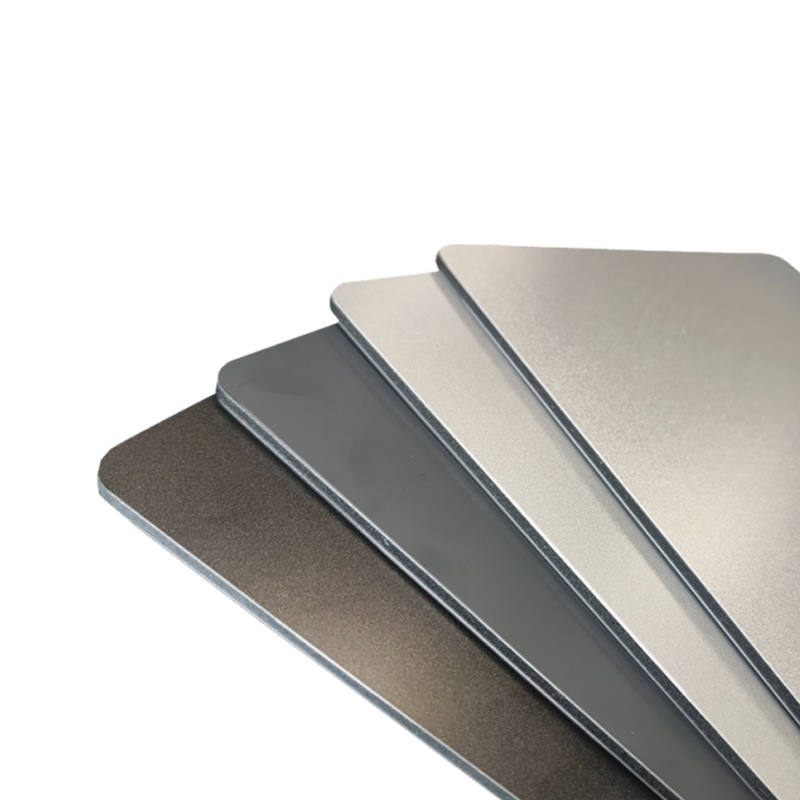
"Bait and switch" is one of the most costly procurement pitfalls in the aluminum composite panel (ACP) industry. You are shown a high-quality sample—often made with superior materials and finishes—only to receive a lower-grade, cheaper product disguised as the original. While a reputable aluminum composite panel manufacturer or Alucobond factory would never jeopardize their reputation with such tactics, less scrupulous suppliers use this method to win bids and maximize margins.
This guide exposes how bait and switch works in ACP sourcing, how to identify the red flags, and how to build a procurement strategy that ensures you get exactly what you paid for.
1. What “Bait and Switch” Looks Like in the ACP Industry
In the context of aluminum composite panels, the bait is usually a premium sample, while the switch involves delivering a lower standard of goods.
The Tiers of Deception
The Bait (What You See) | The Switch (What You Get) | The Motivation |
PVDF Coating (Premium) | Polyester or PVDF with <70% resin content | Lower material cost |
AA5005 Aluminum Alloy | AA3105 or unknown alloy | Cheaper scrap-grade aluminum |
A2 Mineral Core | FR or PE (Polyethylene) core | Significant cost savings |
Approved Sample from Lab | Mass-produced panels with different source batches | No quality control |
2. Why Manufacturers Might Resort to This Tactic
Understanding the supplier's motivation helps in assessing risk.
The Price War: In competitive markets, some suppliers bid unsustainably low. To salvage profit, they must cut corners on the materials.
Supply Chain Gaps: If a manufacturer runs out of A2 mineral core, they might substitute FR core to keep the production line moving.
High Scrap Rates: Poor quality control leads to many "second-grade" panels. Instead of scrapping them, unethical suppliers hide them within shipments of prime goods.
3. Red Flags: How to Spot the Switch Before It Happens
A legitimate aluminum composite panel manufacturer will be transparent. Here are signs that a bait and switch may be imminent.
The Price is Too Low: If a quote for "A2 grade" panels is 30% lower than industry averages, the supplier has likely priced for a PE core. Run the numbers; if the math doesn't work for them, the final product will be compromised.
Vague Technical Specifications: If the proforma invoice lists only "Aluminum Panel" or "PVDF Coating" without specifying resin percentage (e.g., 70% PVDF), thickness, or alloy grade (AA5005), they have left a loophole to substitute lower-value components.
Refusal to Provide Pre-Production Samples: A factory confident in its process will provide a sample from the actual production line before mass manufacturing. If the sample comes from a lab or a different stock batch, be very cautious.
No Batch Traceability: Reputable suppliers print batch numbers on the protective film. This number links back to the mill certificate and core composition report. A missing batch number means you cannot prove what you received.
4. The Hidden Costs of Falling for the Switch
Accepting switched goods is often more expensive than rejecting them.
Fire Safety Failure
Switching from an A2 mineral core to a PE core is a serious safety risk. A facade you expect to be non-combustible may actually be a fuel source that ignites and spreads fire rapidly.
Loss of Property Value
Off-spec coatings lead to premature fading, chalking, and corrosion, significantly shortening the building's lifespan. Owners may face large special levies to replace the cladding just a few years after construction.
5. How to Protect Your Procurement Process
To ensure you receive the panels you requested, implement these stringent controls.
1. Lock the Specifications in Writing
Your contract must be specific. Do not accept "PVDF Coating." Require "70% PVDF Resin (KYNAR 500® based) meeting AAMA 2605 standard, minimum 25μm thickness."
2. Insist on "Blind" Sample Approval
Select a sample that is representative of the mass production run. Ask the manufacturer to pick a random panel from the finished inventory, remove its protective film, and seal it. This becomes the standard you enforce upon delivery.
3. Watch the Factory Line
Hire a third-party inspection agency (like SGS or Intertek) to conduct an in-process inspection. This is the most effective method. The inspector checks the raw aluminum coils and coating batch numbers before they are laminated. If the factory refuses an in-process visit, look elsewhere.
4. Perform the Burn Test
Perform a simple burn test on the core edge. A PE core melts and drips burning plastic. An A2 core does not ignite. This test takes 30 seconds but exposes a core switch instantly.
5. Check Physical Density
Weigh a 100x100mm sample. A2 mineral cores are notably heavy, while PE cores feel light.
6. The Alucobond Factory Standard: What Real Quality Looks Like
When you source from an Alucobond factory or a certified Tier-1 supplier, you rely on their brand equity. They cannot risk the legal and reputational damage of a "switch."
Authentic premium factories maintain strict batch segregation. They will not mix PE with A2 cores to save costs. If you are paying for a premium brand, verify the authenticity of the official hologram or verification code. However, remember that even official distribution channels can be infiltrated by counterfeiters if you aren't verifying the chain of custody.
7. Conclusion
"Bait and switch" is a calculated risk that some suppliers take, betting that you will not test the product thoroughly. For procurement professionals, the cost of losing that bet is not just monetary—it involves liability, safety, and professional reputation.
The remedy is a combination of legal rigor and physical science: specific contracts, third-party inspection, and simple field tests like density checks and burn tests. Do not approve the final payment until you have confirmed that the delivered core matches the documentation.