Welcome to Vbond
Why You Should Remove Alucobond Protective Film Immediately After Installation
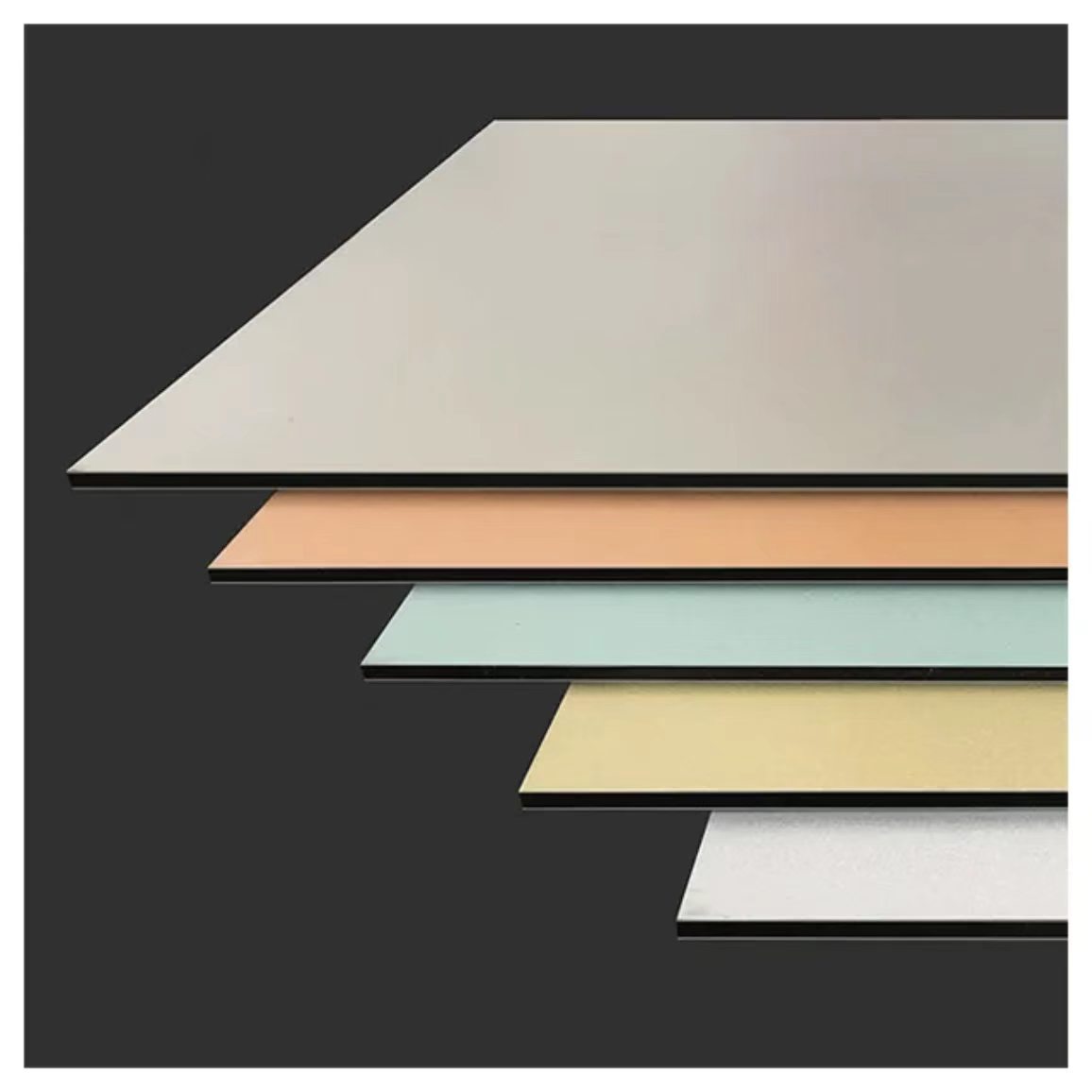
You step back and admire the finished facade. The panels are up. The color is perfect. The client is beaming.
Then you peel off the protective film. Sticky patches remain. Cloudy streaks cover the surface. The pristine finish you installed is now a mess.
The problem is not the film. The problem is when you removed it. You waited too long.
This guide explains why you should remove Alucobond protective film immediately after installation. You will learn the science behind adhesive residue. You will understand the three ways delayed removal damages your Alucobond facade panel. And you will know exactly when and how to remove the film for a flawless finish.
What Protective Film Actually Does
The protective film on an Alucobond facade panel is a temporary plastic layer coated with a pressure-sensitive adhesive (PSA). Its purpose is simple: protect the decorative PVDF or polyester coating from scratches, dust, and minor impacts during fabrication, transport, and installation.
The film allows installers to handle panels safely during:
- Transport and loading
- Storage on site
- Cutting and routing
- Folding and drilling
- Fixing and installation
But here is the critical point: the film is temporary protection. It is not designed to be a permanent covering. It has a shelf life. And that shelf life starts ticking the moment the panel leaves the factory.
Why You Must Remove It Immediately: The UV Time Bomb
The official ALUCOBOND installation manual is explicit: "To avoid residuals of glue sticking to the surface of the panels due to UV radiation, it is recommended to remove the protective foil as soon as possible after the installation".
What happens when you leave the film on:
UV radiation from sunlight breaks down the chemical structure of the adhesive. What starts as a removable, pressure-sensitive glue transforms into a baked-on, plasticized layer that bonds aggressively to the coating.
The adhesive splits. Half stays on the film. Half stays on the panel. You are left with cloudy streaks, sticky patches, or discoloration that is unacceptable for architectural facades where clean lines and flawless finishes are required.
The heat and humidity factor:
In hot and humid weather conditions—such as Southeast Asia, Central America, or coastal regions—the problem accelerates. Residual glue can be left from the protective film and stick onto the lacquered-coated surface of the panels.
Three Ways Delayed Film Removal Damages Your Alucobond Facade Panel
Damage 1: Adhesive Residue
This is the most common and frustrating outcome. The adhesive separates from the film and transfers permanently onto the panel surface. The residue appears as cloudy streaks, sticky patches, or discoloration. Removing it requires solvents, scraping, and labor—costly and time-consuming.
Damage 2: Difficult or Impossible Removal
The longer the film remains exposed, the higher the risk of removal problems. Weathering for a longer period could make the foil difficult to remove. The film may break into small pieces during removal. It may tear instead of peeling cleanly. You end up picking fragments off the panel surface.
Damage 3: Coating Damage
When the film becomes baked on, forced removal can damage the coating itself. The lacquered surfaces could be damaged by solvents or plasticizers if you try to clean off the residue. What started as a simple film removal becomes a coating repair project.
The 45-Day Rule: Your Window of Opportunity
Industry practice provides a specific timeframe: the protective film should be removed within 45 days after installation.
Why 45 days?
This is the period before the adhesive begins to age and degrade from UV exposure and weathering. After 45 days, the protective film may have aged. When tearing the film, it may cause the phenomenon of glue loss.
The ALUCOBOND guideline is even stricter:
"Make sure to remove the protective foil as soon as possible after installation". Not 45 days. Not 30 days. As soon as possible. The official recommendation is to remove the protective foil as soon as possible after the installation.
The Storage Factor: Why Problems Start Before Installation
Film removal problems often begin before the panel ever reaches the wall. ALUCOBOND storage guidelines are clear:
"Storage exceeding 6 months should be avoided, as it may become difficult to remove the protective foil".
What this means:
If your Alucobond facade panels have been in storage for more than six months, the protective film may already be compromised. UV exposure, heat, and moisture during storage can damage the adhesive before installation even begins.
Good storage practice includes:
- Store panels indoors when possible
- Keep panels away from direct sunlight
- Avoid long-term outdoor storage
- Use covered and ventilated storage areas
How to Remove Protective Film Correctly
DO:
- Remove the film as soon as possible after installation
- Peel at a low angle to prevent adhesive residue
- Remove in one continuous movement with uniform force and speed
- Check the supplier's recommendation for maximum film removal time
- If residue remains after removal, clean with isopropyl alcohol on a lint-free cloth
DO NOT:
- Remove the film during bending—ALUCOBOND processing guidelines specify that "the protective peel-off foil must not be removed during bending"
- Leave the film on exterior panels exposed to direct sunlight
- Use sharp tools that can scratch the panel surface
- Mark the protective film or panel surfaces with ink, felt-tip pens, adhesive tapes, or stickers—"as the lacquered surfaces could be damaged by solvents or plasticizers"
- Remove the film before installation is complete—it should protect the panel during installation, but be removed before it becomes difficult to peel
The Film Removal Flowchart
Start
│
▼
Complete installation of Alucobond facade panel
│
▼
Check film condition
├─── Film still intact? ─── Yes ───► Proceed
└─── Film shows weathering signs? ─── Yes ───► Remove immediately
│
▼
Peel film at a low angle
│
├─── One continuous movement
├─── Uniform force and speed
│
▼
Inspect surface for residue
├─── No residue ───► Done
└─── Residue found ───► Clean with isopropyl alcohol
│
▼
Done ───► Flawless Alucobond facade
Common Mistakes to Avoid
Mistake 1: Leaving the film on "until the job is finished"
Some contractors leave the film on to protect the panels during the rest of the construction process. By the time they remove it, the film has baked on. The residue is permanent.
Fix: Remove the film immediately after installation. The panels are installed. The risk of damage is minimal. The risk of residue is growing every day.
Mistake 2: Storing panels too long
Storage exceeding six months makes the film difficult to remove. The adhesive degrades. The film becomes brittle.
Fix: Plan your delivery schedule so panels arrive close to installation time. If you must store panels, keep them indoors, away from sunlight.
Mistake 3: Removing the film during bending
The film protects the panel surface during fabrication. Removing it during bending exposes the panel to scratches and damage from the press brake.
Fix: Leave the film on during all fabrication steps. Remove it only after installation.
Mistake 4: Marking the protective film
Writing on the protective film with markers or applying tape can damage the lacquered surfaces beneath. Solvents and plasticizers penetrate the film.
Fix: Do not mark protective films or panel surfaces with any ink or tape.
What to Ask Your Supplier
When you purchase an Alucobond facade panel for your project, ask these questions:
1. What is the maximum recommended time for leaving the protective film on after installation? The answer should be "as soon as possible" or a specific timeframe like 45 days.
2. What is the UV resistance of your protective film? Quality films resist UV degradation and peel off cleanly.
3. What storage conditions do you recommend? The answer should include protection from rain, moisture, and direct sunlight.
4. What is your maximum storage duration recommendation? Storage exceeding 6 months should be avoided.
5. Do you provide film removal guidelines? A reliable manufacturer will have technical documentation.
A Final Word on Protective Film
I have watched contractors spend hours scrubbing adhesive residue off Alucobond facades. I have seen them use solvents that damaged the PVDF coating. I have watched them pick fragments of baked-on film off panel surfaces with razor blades, leaving scratches that could not be repaired.
Every single one of those problems was preventable. The film should have been removed immediately after installation. That is it. That is the whole secret.
The protective film on an Alucobond facade panel is like a bandage. It protects the wound during healing. But you do not leave the bandage on forever. You remove it when the healing is done. The same principle applies to Alucobond. The film protects the panel during fabrication, transport, and installation. Once the panel is installed, the protection is no longer needed. The film becomes a liability.
UV radiation does not wait. Heat does not wait. Humidity does not wait. Every day the film stays on, the adhesive bonds more strongly to the coating. Every day, the risk of residue increases. Every day, the removal becomes more difficult.
Remove the film immediately after installation. Not tomorrow. Not next week. Immediately. Your Alucobond facade will thank you. So will your client.