Welcome to Vbond
ACP Coating: PE vs PVDF for Aluminum Composite Panel Facades and Soffits
Introduction
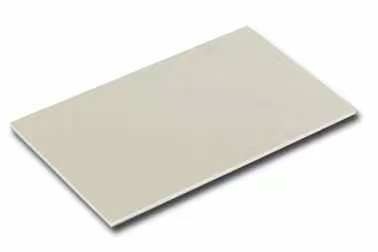
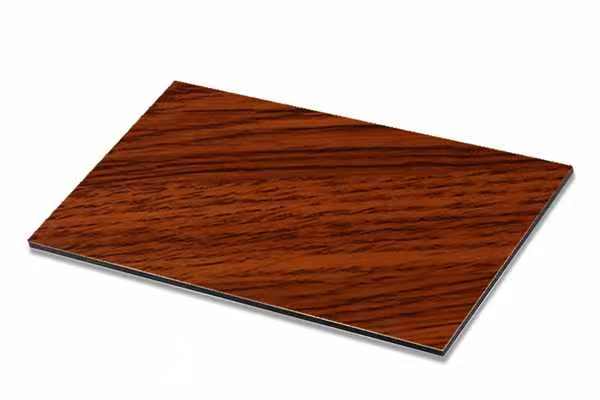
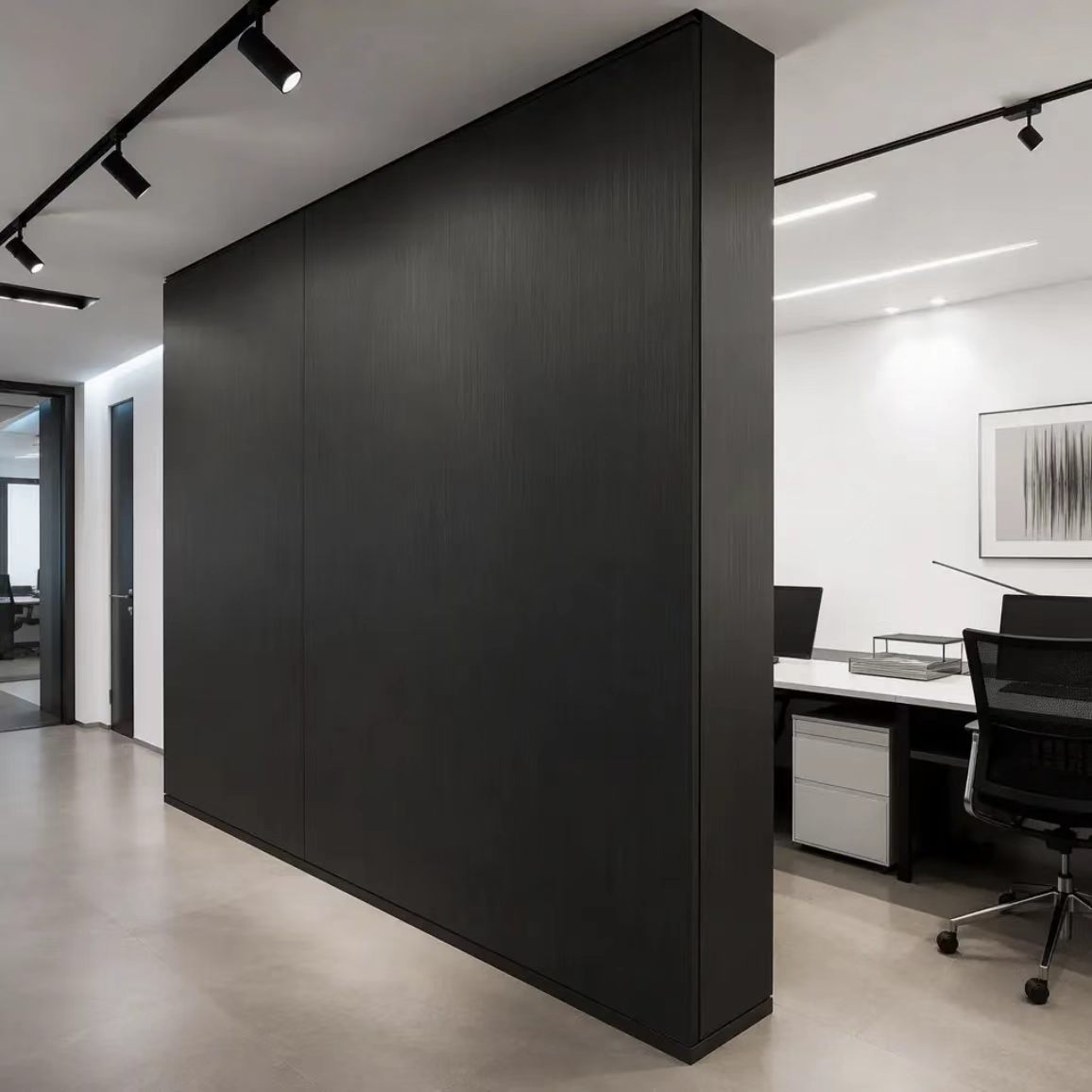
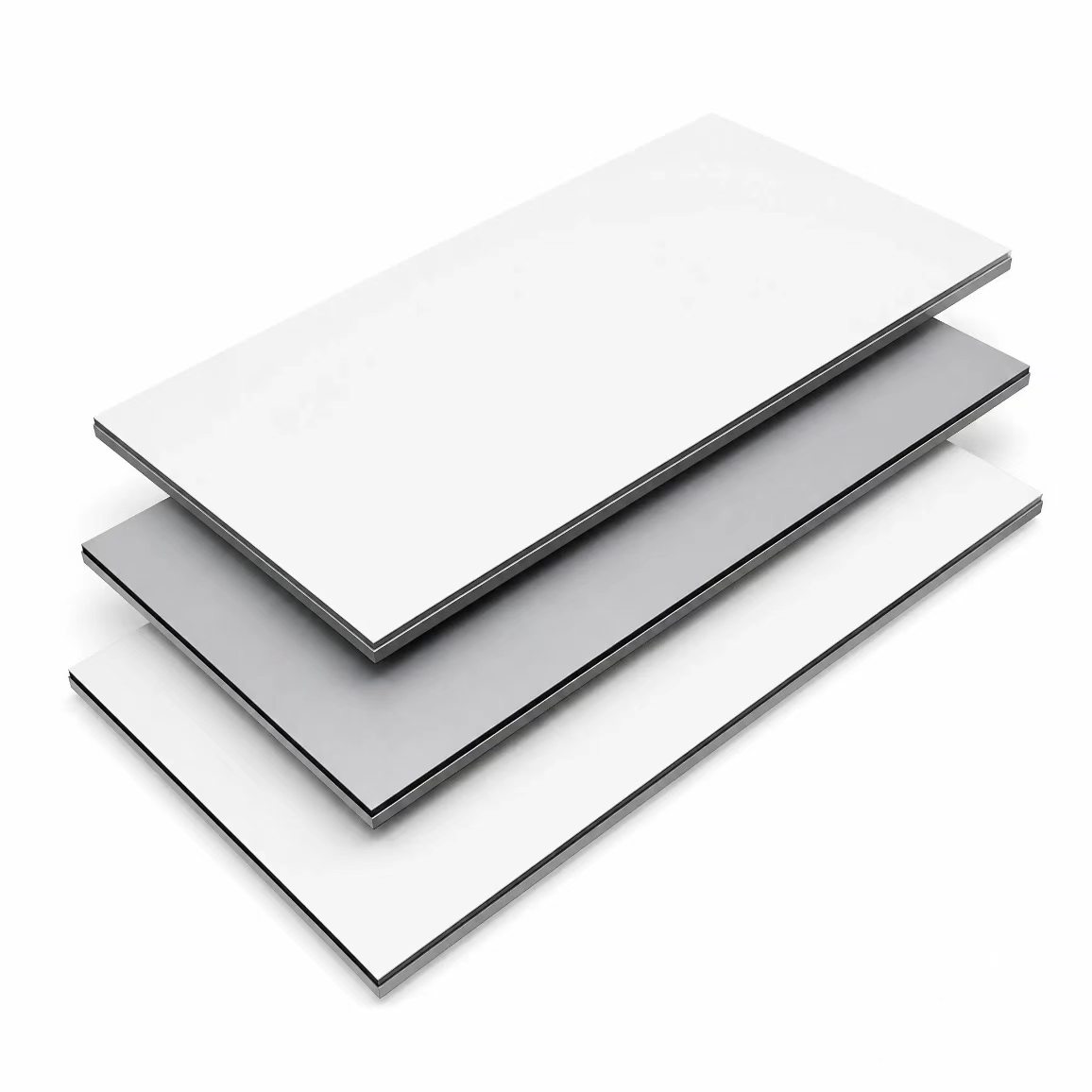
Aluminum composite panels (ACP) serve many parts of modern buildings. Contractors use them for exterior facades, entrance canopies, roof overhangs, soffits, and decorative ceiling systems. Although these areas may use the same panel material, they do not always need the same coating.
Polyester (PE) and polyvinylidene fluoride (PVDF) are two common coating options for aluminum composite panels. PE offers a cost-effective finish for selected applications. PVDF provides stronger resistance to outdoor weathering and helps maintain color and surface quality on exposed building areas.
For project buyers, the key question is not simply which coating performs better. It is whether the coating matches the panel's location, exposure, visibility, and design role. When reviewing Alucobond PVDF color options, buyers should consider both facade and soffit requirements before approving the final finish.
1. Facades and Soffits Have Different Jobs
A facade and a soffit may belong to the same building envelope, but they face different conditions. Their position changes how they receive sunlight, rain, dust, and visual inspection.
What is an ACP facade?
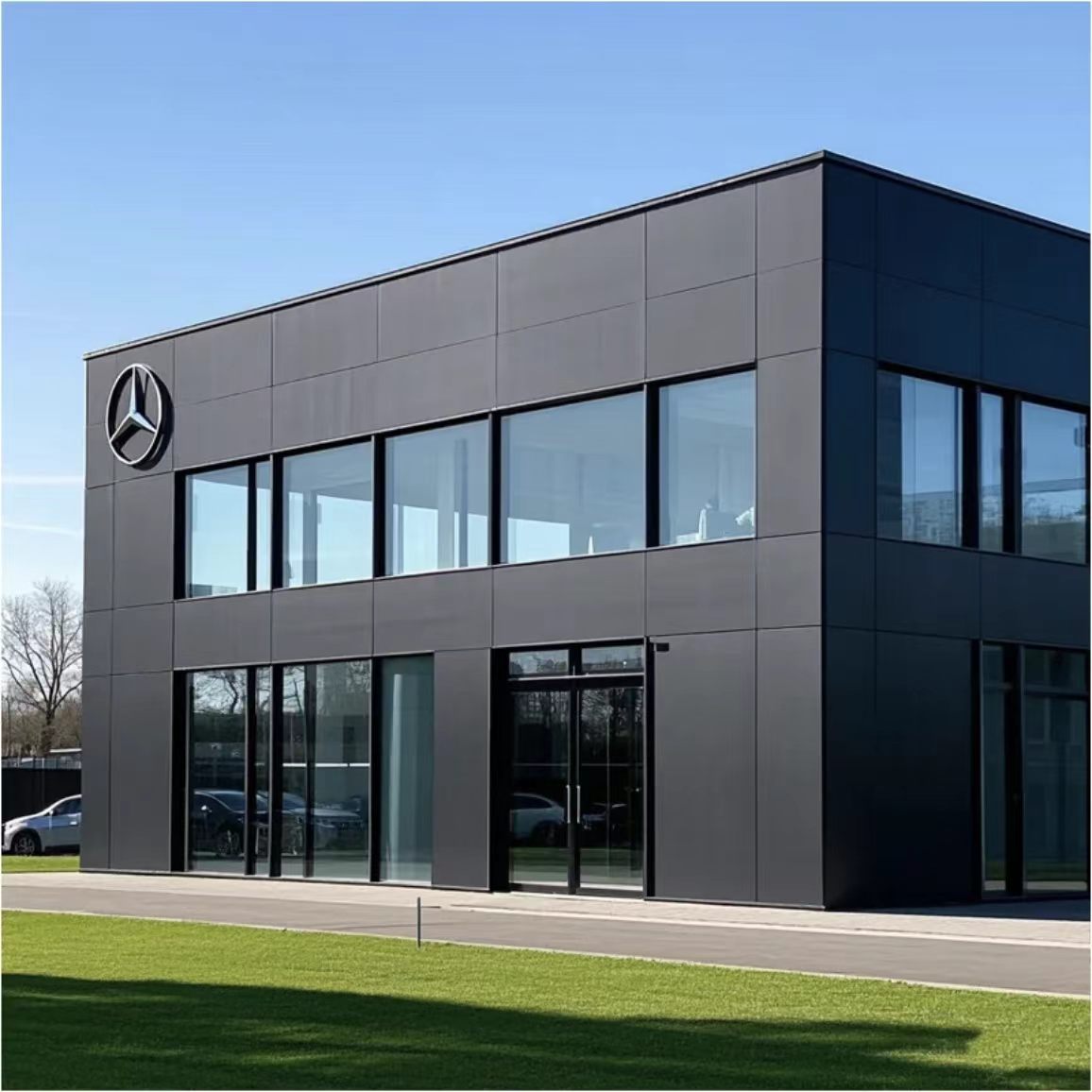
An ACP facade forms part of a building's exterior wall system. It may cover concrete walls, steel structures, or other building components.
Facade panels often receive direct sunlight, wind-driven rain, airborne pollution, and temperature changes. Their large surface area also makes color differences and coating defects easy to notice.
Common facade applications include:
· Commercial building exterior walls
· Office towers and business centers
· Shopping mall cladding
· Hotel and apartment facades
· Entrance feature walls
· Exterior columns and decorative bands
These applications often need a coating system with reliable outdoor performance. For permanent exposed facades, architectural PVDF is a common specification.
What is an ACP soffit?
A soffit is the underside of a roof overhang, balcony, canopy, or other projecting building element. Architects often use ACP soffit panels to create a clean finish and hide structural components, wiring, and services.
Soffits usually receive less direct sunlight than vertical facades. However, they may still face reflected UV light, wind-driven rain, humidity, dust, and heat from the roof structure.
Common ACP soffit applications include:
· Entrance canopy ceilings
· Roof overhangs
· Balcony ceilings
· Parking garage soffits
· Commercial building eaves
· Covered walkways
· Decorative ceiling panels
A soffit is not always a protected indoor area. Its actual exposure depends on the depth of the overhang, building orientation, local climate, and surrounding structures.
2. PE vs. PVDF: How the Coatings Fit Different Applications
PE and PVDF differ in resin chemistry and typical outdoor performance. Buyers should match these differences with the actual panel location.
PE coating for selected ACP applications
PE coating uses polyester resin. Manufacturers often use it for interior panels, decorative surfaces, signs, and projects with limited outdoor exposure.
Its lower initial cost makes PE attractive for large areas where the project does not require a high-performance exterior coating. It also offers a wide range of colors and surface finishes.
PE may suit protected soffits and interior ceiling systems when the coating specification matches the exposure. However, buyers should not assume that every soffit qualifies for PE simply because it faces downward.
PVDF coating for exposed building surfaces
PVDF coating uses fluoropolymer resin technology. Architectural PVDF systems offer strong resistance to UV exposure, weathering, color change, and chalking.
Many architectural PVDF coatings contain at least 70% PVDF resin by weight of the total resin binder. Buyers should confirm the exact calculation basis with the coating manufacturer rather than relying on a general product label.
PVDF is a common choice for permanent exterior facades. It can also suit soffits that receive strong reflected sunlight, wind-driven rain, or other demanding exposure.
PE vs. PVDF for facades and soffits
Selection factor | PE coating | Architectural PVDF coating |
Initial cost | Usually lower | Usually higher |
Interior ceiling panels | Often suitable | Suitable |
Protected soffits | May be suitable | Suitable |
Exposed soffits | Requires careful review | Often preferred |
Permanent exterior facade | Requires strong supporting performance data | Common choice |
UV resistance | Generally lower | Generally stronger |
Color retention | Depends on formulation and exposure | Generally stronger |
Chalking resistance | Generally lower in demanding exposure | Generally stronger |
Design flexibility | Wide color selection | Wide architectural color selection |
Best selection basis | Exposure and budget | Exposure and finish performance |
Important: PE does not automatically mean low quality, and PVDF does not automatically mean high quality. The actual result depends on the coating formulation, pretreatment, film thickness, curing process, aluminum surface, and quality control.
3. Why Exterior Facades Usually Need a Higher-Performance Coating
Exterior facades face more direct environmental stress than many interior surfaces. Their coating must maintain appearance while protecting the aluminum surface under changing conditions.
Direct sunlight and UV exposure
Vertical facades can receive strong sunlight throughout the day. South- and west-facing walls may face longer periods of direct exposure, depending on the building location and surrounding structures.
UV radiation can cause gradual changes in coating appearance. These changes may include color fading, gloss loss, and chalking.
Architectural PVDF systems generally offer better resistance to these effects than standard PE coatings. For this reason, buyers often specify PVDF for visible exterior walls.
Rain, wind, and airborne dirt
Facade panels receive wind-driven rain and airborne particles. Dirt may collect around panel joints, window edges, ledges, and decorative details.
The coating must withstand repeated outdoor exposure and routine cleaning. However, the panel design also matters. Poor drainage, open joints, and trapped moisture can create problems that no coating can fully solve.
Large visible surfaces
A commercial facade may cover thousands of square meters. Even a small difference in color or gloss can become noticeable across such a large area.
Buyers should confirm the approved color, gloss, texture, and production batch controls before ordering. For large projects, a full-size mock-up provides a more reliable visual reference than a small color chip.
4. Why Soffit Coating Selection Needs a Separate Review
Soffits often receive less direct weather exposure, but their position creates other design and installation challenges. Buyers should evaluate each soffit zone instead of treating all ceiling panels as indoor products.
Covered does not always mean protected
A deep roof overhang can reduce direct rain and sunlight. A shallow canopy may provide much less protection.
Wind can carry rain into the underside of a canopy. Reflected sunlight from glass, paving, or nearby buildings can also reach soffit panels.
Before selecting PE, check the overhang depth, panel orientation, local wind conditions, and distance from the building edge. If the soffit receives regular moisture or strong reflected UV exposure, PVDF may offer a safer finish choice.
Heat and ventilation above the soffit
Soffit panels may sit below roof structures, metal decks, insulation, and mechanical services. Heat can build up in these spaces when the design does not provide suitable ventilation.
The coating must suit the expected service temperature and installation conditions. Buyers should review the coating manufacturer's technical data if the soffit will face unusual heat exposure.
Visual quality from below
People often view soffits from close range. This makes surface flatness, gloss, color consistency, and joint alignment important.
A glossy finish can show surface waves, scratches, and uneven light reflection more clearly than a matte finish. Architects should review actual panel samples under suitable lighting before approving the finish.
5. Can One Project Use PE on the Soffit and PVDF on the Facade?
Yes. A project can use different coating systems in different building zones if the design team approves the appearance and technical requirements.
This approach can control costs without lowering the performance of highly exposed facade areas. However, the project team must manage color matching and finish consistency carefully.
Example: A commercial building with a covered entrance
Consider a three-story shopping center with a large exterior facade and a deep entrance canopy.
The main facade receives direct sunlight and wind-driven rain. The canopy underside stays more sheltered, although its front edge receives some moisture and reflected light.
A practical specification may use:
· PVDF ACP for the main facade: This area needs strong outdoor weathering performance and stable appearance.
· PVDF ACP for the exposed canopy edge: This section receives more direct environmental exposure.
· PE or PVDF ACP for the protected canopy ceiling: The final choice depends on actual exposure, finish requirements, and the approved design.
· A coordinated color and gloss specification: All visible surfaces must match the approved architectural design.
This mixed-coating approach can reduce material costs in suitable areas. It should never create a visible mismatch between connected panels.
Example: An office tower with balcony soffits
An office tower may use PVDF-coated ACP on its main facade and selected balcony soffits. These soffits may remain visible from nearby buildings and from the street.
Although the balcony ceilings receive less direct sunlight, the architect may prefer one coating system to maintain a consistent appearance. In this case, using PVDF across both areas can simplify color approval and production control.
The correct choice depends on the design. A lower-cost coating is useful only when it meets the project's exposure and appearance requirements.
6. Color Matching Between Facades and Soffits
Color consistency is a major concern when a building uses different panel locations or coating systems. A facade and its soffit may look like one continuous surface, even when they receive different light.
The same color code does not always produce the same visual result across different coating products. Resin systems, pigments, gloss levels, surface textures, and production conditions can affect the final appearance.
Why the same color may look different
Several factors can create visible differences:
1. Different coating formulations: PE and PVDF systems may use different pigment and resin combinations.
2. Different gloss levels: A satin finish can appear different from a matte or gloss finish.
3. Different viewing angles: Metallic colors can change with light direction and panel orientation.
4. Different production batches: Color variation may occur between separate production runs.
5. Different lighting conditions: Direct sunlight, shade, and artificial lighting can change how people see a color.
How buyers should control color consistency
Control item | Recommended action |
Color reference | Confirm one approved project color code |
Coating system | Identify PE or PVDF for each building zone |
Gloss level | State the required gloss range |
Texture | Approve smooth, metallic, or textured finish |
Physical sample | Review samples from the actual coating system |
Panel orientation | Check metallic color direction where relevant |
Production batch | Define acceptable batch variation |
Mock-up | Approve connected facade and soffit areas together |
When buyers compare Alucobond PVDF color options, they should request physical samples rather than approve colors from screen images alone. For mixed-coating projects, ask the supplier to prepare samples of both systems side by side.
7. Panel Fabrication and Installation: What Changes Between Facades and Soffits?
Coating selection is only one part of ACP performance. Fabrication and installation also affect the finished building surface.
Facade panel fabrication
Facade panels may require routing, folding, bending, and cassette fabrication. These processes must match the aluminum skin thickness, alloy, temper, and panel structure.
The coating should withstand the specified fabrication process without unacceptable cracking or damage. Buyers should test the actual panel and bend geometry rather than assume that all PE or PVDF products behave the same way.
Soffit panel support
Soffit panels often attach to ceiling framing or a supporting grid. The design must control panel movement, deflection, vibration, and joint alignment.
The support spacing and fixing method should follow the panel manufacturer's technical guidance and the project's structural design. Do not use coating type as a substitute for proper support design.
Drainage and moisture control
Soffits near building edges may collect water around joints and trim. Facades may also allow water to enter behind the cladding system if the drainage design fails.
Use suitable flashing, drainage paths, compatible sealants, and correct joint details. Keep water from collecting around panel edges and fasteners.
8. Procurement Checklist: What to Include in an ACP Coating Specification
A clear purchase specification reduces misunderstandings between the buyer, panel manufacturer, facade contractor, and architect.
Do not write only "PE for soffit and PVDF for facade." That wording leaves too many technical details open.
Coating information
Ask the supplier to provide:
· Coating type: PE or PVDF
· Coating manufacturer and product series
· PVDF resin content and calculation basis, where applicable
· Coating layer structure
· Specified dry film thickness (DFT)
· Color code and gloss level
· Surface finish and texture
· Relevant coating performance reports
Panel information
Confirm:
· Overall panel thickness
· Aluminum skin thickness on both sides
· Aluminum alloy and temper, where specified
· Core type and fire-performance requirements
· Bonding and adhesion requirements
· Panel dimensions and tolerance
· Fabrication requirements
· Protective film and packaging
Project-specific information
Define:
· Facade and soffit locations
· Exposure conditions for each zone
· Approved samples and mock-up requirements
· Color and gloss acceptance criteria
· Production batch control
· Inspection and delivery requirements
· Warranty scope and exclusions
· Cleaning and maintenance instructions
Sample specification table
Building zone | Coating | Color and gloss | Key requirement |
Main exterior facade | PVDF | Approved project color | Outdoor weathering performance |
West-facing feature wall | PVDF | Approved project color | Strong UV exposure review |
Deep covered soffit | PE or PVDF | Matched approved finish | Confirm moisture and reflected UV exposure |
Canopy front edge | PVDF preferred | Matched facade finish | Higher direct exposure |
Interior ceiling | PE may be suitable | Approved interior finish | Interior application requirements |
The table is a starting point. The project specification should define exact product requirements and acceptance limits.
9. What Do AAMA Standards Tell ACP Buyers?
AAMA coating specifications can help buyers compare coating performance. Two common references are AAMA 2604 and AAMA 2605.
AAMA 2605 sets a higher performance level than AAMA 2604. The standards include requirements for areas such as weathering, color retention, chalking, adhesion, and corrosion resistance.
However, buyers should not treat these standards as direct synonyms for PE and PVDF. A PVDF label does not automatically prove AAMA 2605 compliance, and a PE label does not automatically establish AAMA 2604 compliance.
Ask for the actual coating test report. Confirm the tested coating product, applicable standard edition, test scope, and whether the report applies to the coating supplied for the project.
Also note that an AAMA coating report does not certify the complete ACP panel's fire performance, core, bonding, or mechanical properties. These items need separate technical evidence.
10. Common Mistakes When Specifying Facade and Soffit ACP
Mistake 1: Using PE on every soffit without checking exposure.
Some soffits receive wind-driven rain, reflected sunlight, and high humidity. Review the actual building position before selecting the coating.
Mistake 2: Specifying PVDF without identifying the product.
A general PVDF label does not confirm resin content, film thickness, or performance. Request the coating manufacturer's product data and test evidence.
Mistake 3: Assuming one color code guarantees a perfect match.
Different coating systems and gloss levels can create visible differences. Approve physical samples from the actual products.
Mistake 4: Ignoring the canopy edge.
The front edge of a canopy may face much more rain and sunlight than the protected ceiling behind it. Consider separate coating requirements for different zones.
Mistake 5: Focusing on the coating but ignoring panel construction.
Aluminum thickness, core selection, bonding, support design, and installation details all affect the finished system.
11. Final Recommendation: Specify Each Building Zone for Its Real Function
PE and PVDF both have useful roles in aluminum composite panel projects. PE can offer good value for indoor areas and selected protected soffits. PVDF is often the stronger choice for permanent exterior facades and soffits with demanding exposure.
The most practical solution may use one coating across the whole building or different coatings in separate zones. The project team should make that decision after reviewing exposure, appearance, maintenance access, and the cost of future repairs.
When selecting Alucobond PVDF color finishes, buyers should check the actual coating system, not just the color name. Approve physical samples, define gloss and texture, and confirm that the selected product meets the project requirements.
A well-written ACP specification connects the coating, panel construction, fabrication, and installation details. That gives the contractor a clear target and gives the buyer a better basis for comparing suppliers.