Welcome to Vbond
Alucobond Processing Manual: What Every Installer Must Read Before Folding
- Alucobond processing manual
- Routing and folding method
- Residual thickness 0.3mm
- V-groove routing
- Minimum bend radius 60mm
- One-pass bending
- Panel storage and handling
- Thermal expansion allowance
- Protective film removal
- Installation best practices
- Quality control checklist
- Alucobond supplier OEM ODM
- Manufacturer of Alucobond
- Wholesale supplier of Alucobond
- Distributor of Alucobond panels
- Authorized dealer Alucobond
- OEM manufacturer Alucobond
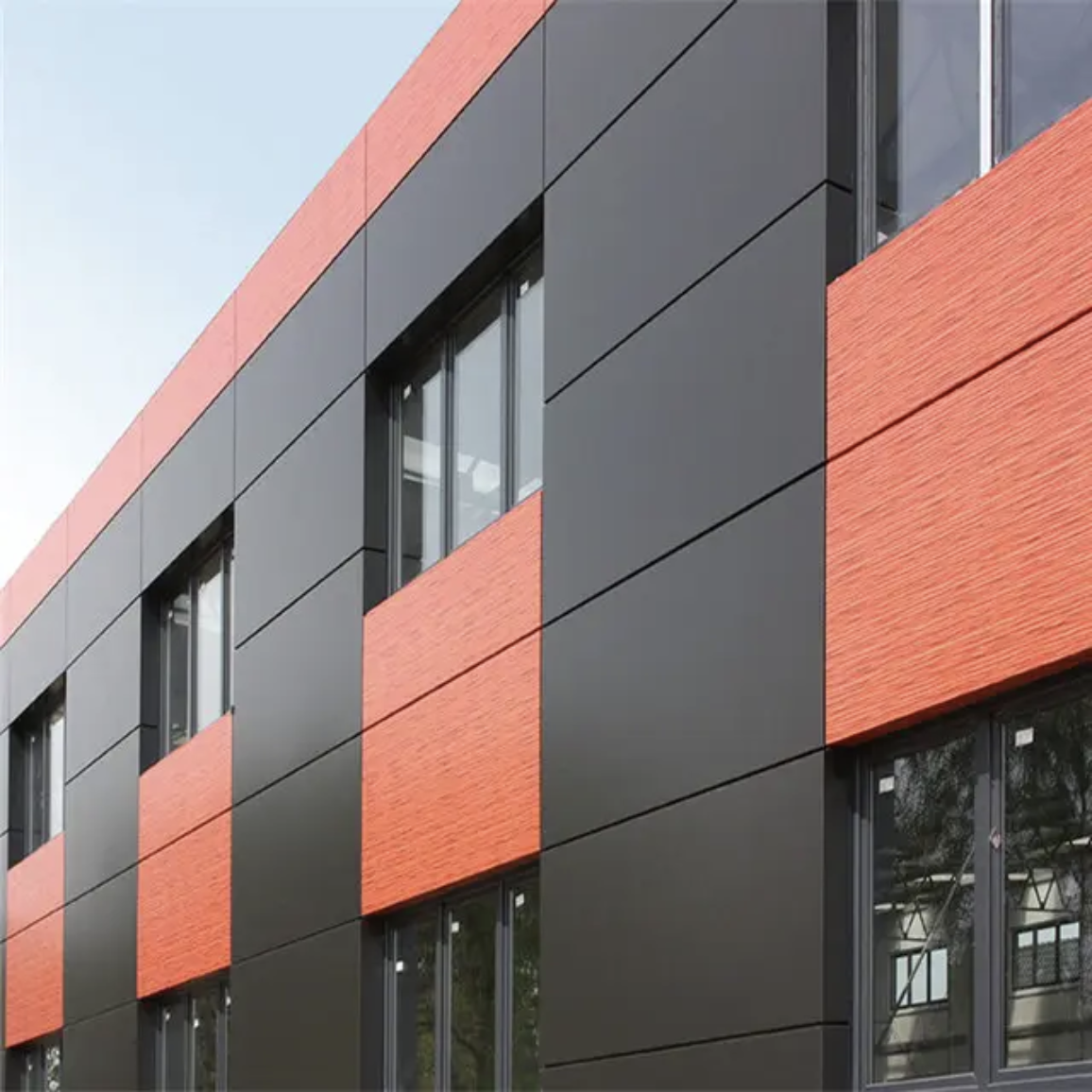
You order Alucobond panels. They arrive on site. The color matches. The finish looks perfect.
You start folding. Cracks appear along the bend lines. Panels get scrapped. The client wants answers.
The problem is not the material. The problem is the process. You skipped the critical steps. You did not read the manual.
This guide covers everything you need to know before folding Alucobond. You will learn the routing and folding method. You will understand the critical measurements. You will know exactly what to do—and what not to do.
What Is Alucobond? Understanding the Material
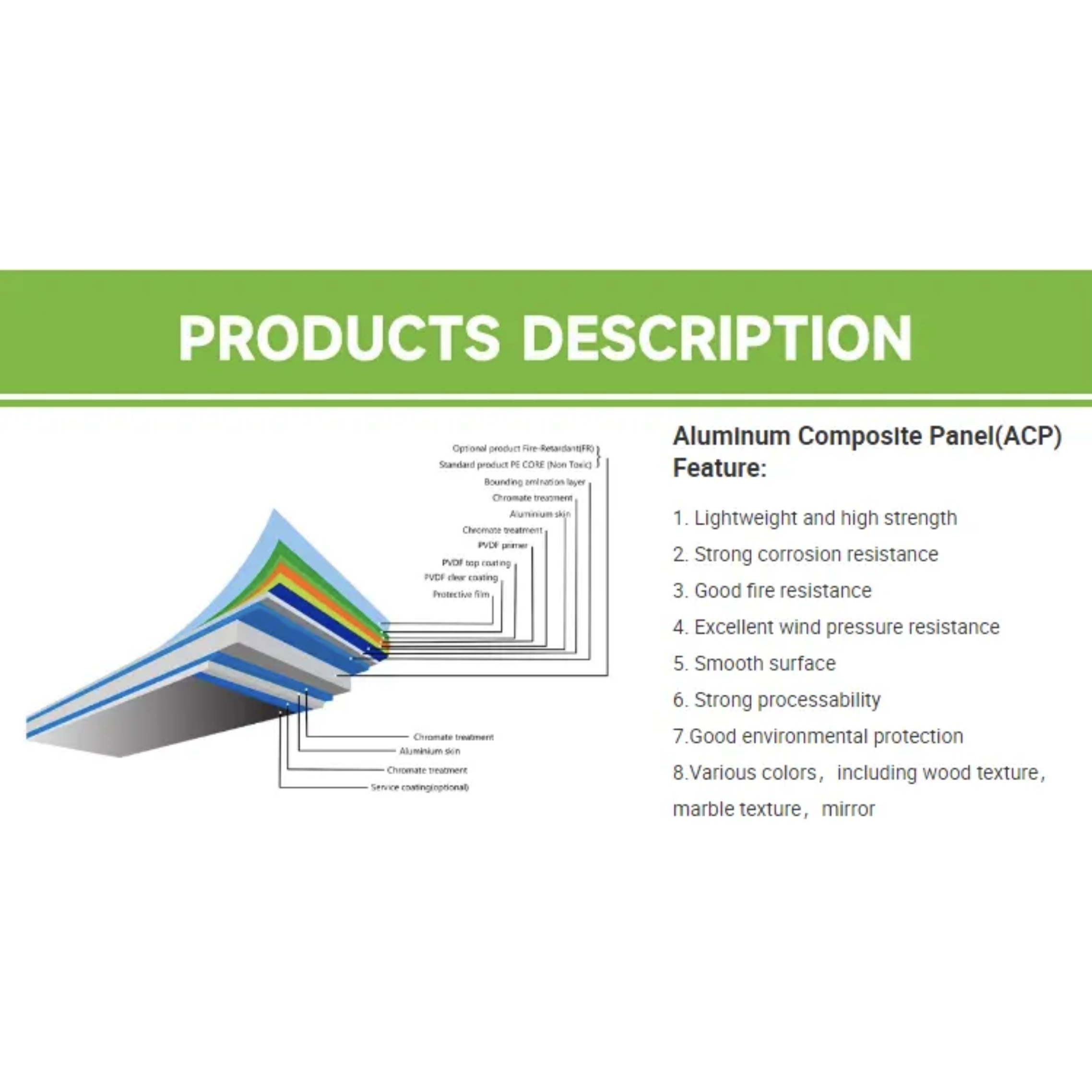
Alucobond is a sandwich panel. Two thin aluminum skins bond to a core. Standard panels use a polyethylene core. Fire-rated panels use a mineral-filled core.
The sandwich structure gives Alucobond its strength. It also creates the challenge. When you fold the panel, the outer skin stretches. The inner skin compresses. The core transfers stress between them.
Alucobond PLUS uses a mineral-filled fire-retardant core for enhanced safety. Standard Alucobond uses a polyethylene core. Both materials follow the same folding principles.
An Alucobond supplier OEM ODM will specify the core type in their technical data. Know what you are working with before you start.
The Routing and Folding Method: The Right Way to Bend
The routing and folding method is the standard technique for shaping Alucobond panels. It enables fabricators to produce shapes of various kinds and sizes with minimal investment.
How it works:
1. Route a V-shaped or rectangular groove on the reverse side of the panel
2. Leave a thin layer of core material at the base of the groove
3. Bend the untouched outer cover sheet manually or with a press brake
4. The panel folds along the routed groove, giving an exact and clean folding line
The method is simple. It is also precise. The outer radius of the folded edge depends on the shape of the groove and its depth.
Equipment options:
- Vertical panel saw with grooving accessories
- CNC machining center
- Portable sheet milling machine
- Handheld router
Hand routers and sheet milling machines are inexpensive and can be used either in the workshop or on site. The fabrication of shaped components using Alucobond only requires a minimal investment outlay.
Before You Start: Storage and Handling
Alucobond panels arrive on pallets. How you handle them matters.
Storage rules:
- Store pallets flat, not standing vertically
- Protect panels against rain, moisture, and condensation
- Stack only identical-size panels
- Maximum 6 pallets stacked on top of each other
- Avoid storage exceeding 6 months
Handling rules:
- Lift panels off the pallet with two people holding all four corners
- Carry panels vertically
- Do not drag panels over each other
- Wear gloves to avoid staining
- Do not place anything between stacked panels
Protective film:
- Install panels in the same direction as marked on the protective foil
- Remove protective foil as soon as possible after installation
- Do not mark foils or surfaces with markers or tape
Step 1: Inspect the Panels Before Cutting
Inspect every panel before you start fabrication.
What to check:
- Panel thickness with a caliper (4 mm ± 0.1 mm)
- Surface for scratches, dents, or coating defects
- Edge for core voids or delamination
- Protective film integrity
- Batch numbers for traceability
Why it matters:
A scratch on the surface becomes a crack during bending. A thin aluminum skin tears under stress. A void in the core creates a weak point. Catch defects before you cut.
A manufacturer of Alucobond will provide material certifications. Review them before you start.
Step 2: Set Up the Router Correctly
The groove determines the fold quality. Get this wrong, and panels crack.
Choose the right router bit:
Use bits specifically designed for ACM. Standard woodworking bits cause cracking. Look for carbide-tipped construction with the correct angle.
Match the bit angle to the fold angle:
- 90° V-groove for folds up to 90°
- 135° V-groove for folds up to 135°
- U-groove bits distribute stress more evenly than V-groove bits
Set the correct groove depth:
The groove must remove the rear aluminum skin and most of the core. Leave a thin layer of core material at the base of the groove.
The untouched outer cover sheet bends along the routed groove, giving an exact and clean folding line.
Step 3: The Critical Measurement—Residual Thickness
Residual thickness is the material left at the bottom of the groove. It determines whether the panel folds cleanly or cracks.
The industry standard: leave 0.3mm minimum.
Residual Thickness | Fold Result | Action |
0.5mm or more | Clean, strong fold | Proceed |
0.3mm to 0.5mm | Clean, acceptable fold | Proceed |
0.2mm to 0.3mm | Marginal, moderate risk | Adjust router, retest |
Below 0.2mm | Cracks likely | Reject, adjust router |
How to measure:
1. Route a groove on a test strip
2. Place the strip on a flat surface
3. Use a digital micrometer to measure the material at the groove bottom
4. The reading should be 0.3mm minimum
A wholesale supplier of Alucobond will specify the recommended residual thickness in their technical documentation.
Step 4: Fold the Panel—One Smooth Motion
Bending is where most mistakes happen. Follow these rules.
Rule 1: Warm the panel
Do not bend panels below 50°F (10°C). Cold aluminum is brittle. Warm the bend area to 65°F (18°C) minimum. For best results, heat to 120°F to 180°F.
Rule 2: Bend once, correctly
Bend in one smooth motion. Do not bend, check, and bend again. Re-bending work-hardens the aluminum. It creates micro-cracks.
Rule 3: Check the bend radius
For a 4mm panel, the minimum bend radius is 60mm. Tighter radii cause cracking.
Rule 4: Keep the protective film on
Leave the protective film on during bending. It prevents scratches. Remove it only after installation.
Step 5: Inspect Every Folded Panel
Inspect each panel before it leaves the fabrication area.
What to check:
- Hairline cracks along the fold line (use magnification)
- Bend radius with a radius gauge (60mm minimum for 4mm)
- Fold angle with a protractor (90° or specified)
- Coating integrity—no cracking or splitting
A distributor of Alucobond panels will provide quality control guidelines. Follow them.
Step 6: Installation Best Practices
Proper installation prevents future failures.
Allow for thermal expansion:
- Use oversized holes for fasteners (typically 8mm for 4mm panels)
- Keep a 2mm gap between folded edges
- Allow 2.4mm expansion per meter of panel length
Fixing methods:
- Routed-and-returned systems
- Cassette fixing
- Tray systems
- Riveted or screwed fixing
- Adhesive bonding
Color consistency:
Install panels in the same direction as marked on the protective foil. This avoids reflection differences. Order all panels for a project at once to ensure color consistency across batches.
The Complete Processing Flowchart
Start
│
▼
Receive and inspect panels (thickness, surface, core)
│
├─── Pass? ─── No ───► Reject
│
Yes
│
▼
Store panels flat, protect from moisture
│
▼
Set up grooving equipment (ACM-specific bit, correct angle)
│
▼
Test groove on sample strip
│
▼
Measure residual thickness (0.3mm minimum)
│
├─── Pass? ─── No ───► Adjust router ───► Retest
│
Yes
│
▼
Route production panels
│
▼
Warm panels to 65°F minimum
│
▼
Fold in one smooth motion (60mm minimum radius for 4mm)
│
▼
Inspect every folded panel (cracks, radius, angle, coating)
│
├─── Pass? ─── No ───► Mark for rework or scrap
│
Yes
│
▼
Install with thermal expansion allowance
│
▼
Remove protective film after installation
│
▼
Done
Common Mistakes to Avoid
Mistake | Why It Happens | The Fix |
Skipping the groove | Operator treats Alucobond like solid aluminum | Always route a V-groove first |
Routing too deep | Operator guesses depth | Measure residual thickness (≥0.3mm) |
Using the wrong bit | Operator uses a woodworking bit | Use ACM-specific carbide bit |
Bending cold | Operator ignores temperature | Warm panel to 65°F minimum |
Bending too tight | Operator creates sharp corners | Minimum bend radius 60mm for 4mm |
Ignoring grain direction | Operator does not check orientation | Bend perpendicular to rolling direction |
Skipping inspection | Operator assumes quality | Inspect every panel |
What to Ask Your Alucobond Supplier OEM ODM
When you work with an Alucobond supplier OEM ODM, ask these questions:
1. What is your recommended residual thickness? A knowledgeable manufacturer of Alucobond will specify a 0.3 mm minimum.
2. Do you provide processing guidelines? A wholesale supplier of Alucobond will have technical documentation.
3. What is your panel thickness tolerance? The answer should be ±0.1mm.
4. Do you offer pre-grooved panels? An OEM manufacturer of Alucobond can deliver panels already grooved to specification.
5. What are your installation recommendations? A distributor of Alucobond panels will provide fixing guidelines.
An authorized dealer of Alucobond understands fabrication requirements. They will provide technical support and processing manuals.
The Bottom Line
Alucobond processing is not complicated. But it requires discipline. Follow the routing and folding method. Measure residual thickness on every batch. Bend in one smooth motion. Inspect every panel.
The rules are simple:
- Route a V-groove on the reverse side
- Leave 0.3mm minimum at the groove base
- Warm the panel before bending (65°F minimum)
- Bend once, correctly (60mm minimum radius for 4mm)
- Inspect every folded panel
Skip any step, and panels crack. Follow every step, and your panels will fold cleanly. Every time.
An Alucobond supplier OEM ODM provides the material. Your fabrication process delivers the quality. Get both right, and your facade will last for decades.