Welcome to Vbond
Edge Sealing 101: Why Every Alucobond Cut Edge Must Be Sealed with Weatherproof Caulk
You receive a shipment of Alucobond panels. They look flawless. The color matches. The finish is perfect.
You cut them to size. You install them on the building. The facade looks stunning.
Months later, you see the damage. Bubbles along the cut edges. The aluminum skin is pulling away from the core. The sleek finish now looks compromised.
What happened? You forgot to seal the cut edges.
This guide explains why every Alucobond cut edge must be sealed with weatherproof caulk. You will learn the science behind moisture ingress. You will understand the consequences of unsealed edges. And you will know exactly how to seal them correctly.
The Anatomy of a Cut Edge
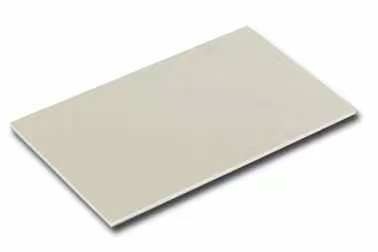
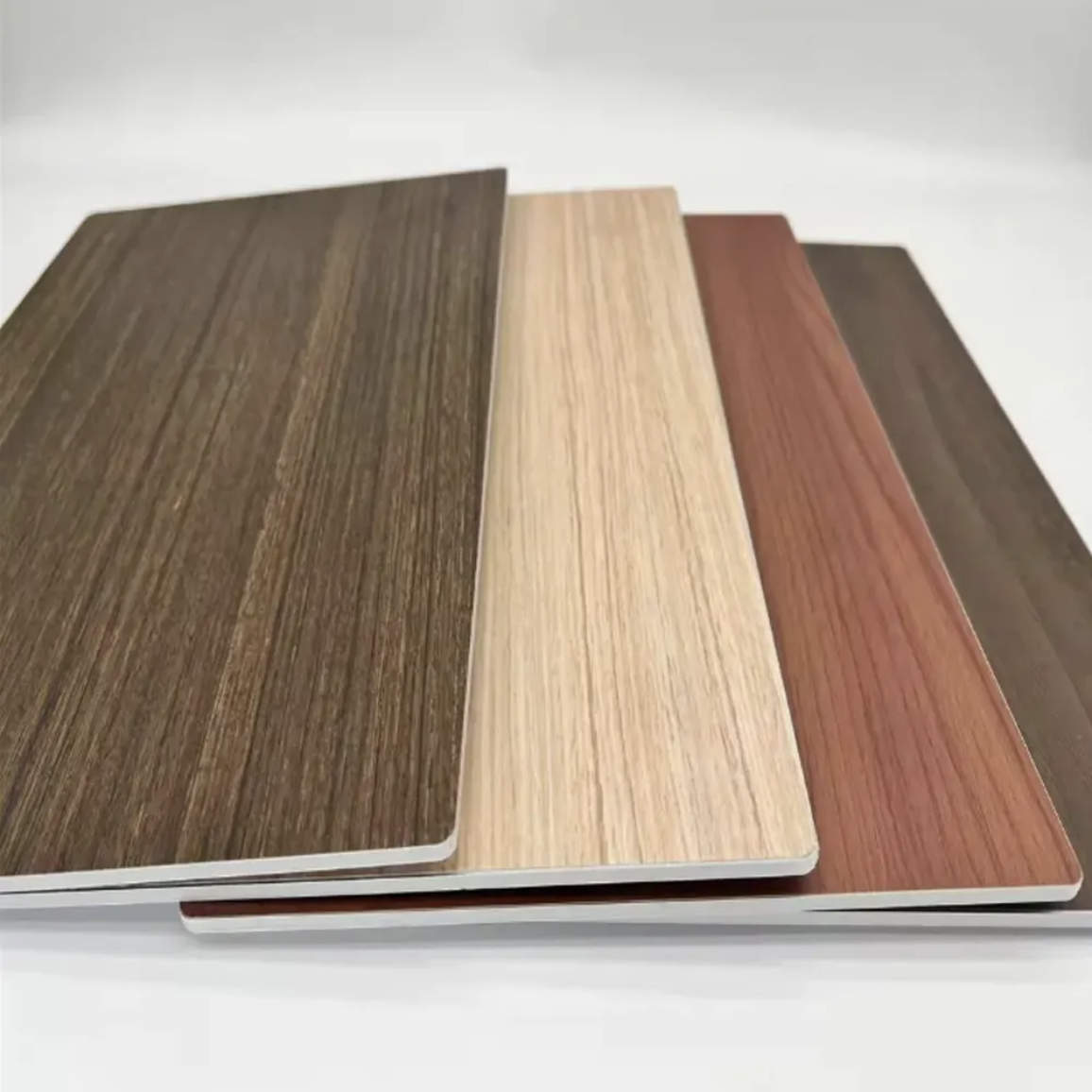
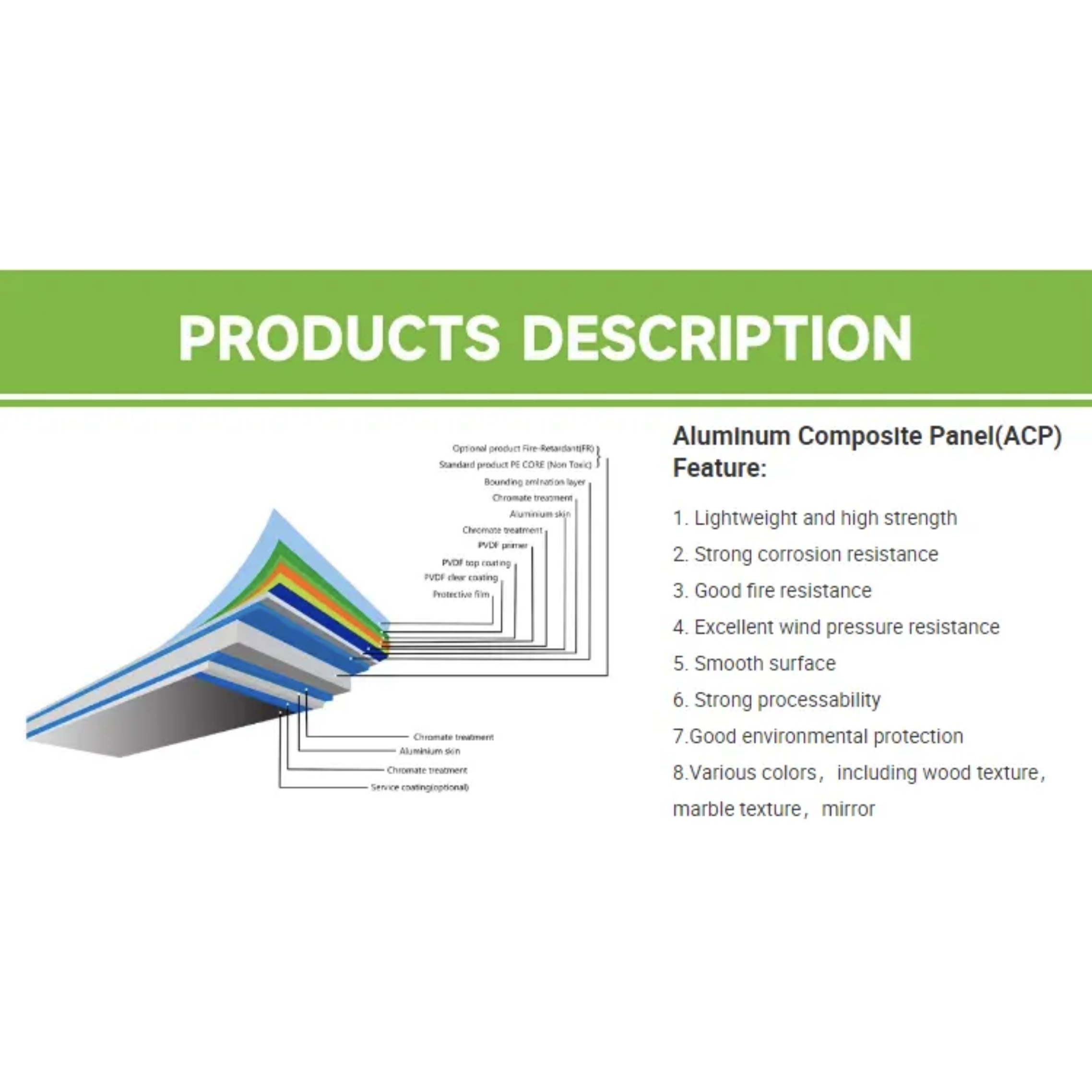
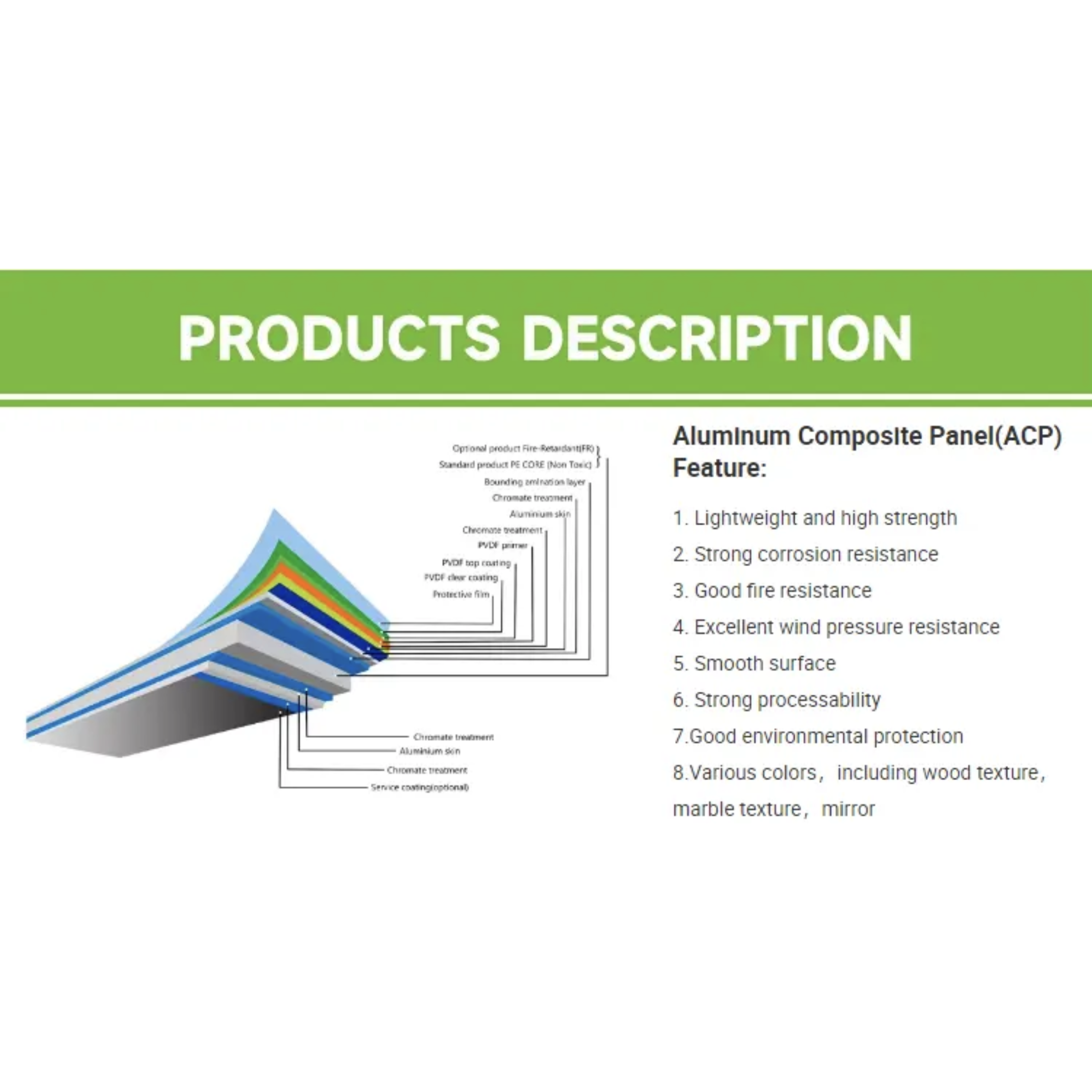
Alucobond is a sandwich panel. Two aluminum skins—each about 0.5mm thick—bond to a polyethylene or mineral-filled core. The factory edges are sealed. The aluminum and core are bonded under controlled conditions.
But when you cut the panel, you expose the core. The polyethylene core is now open to the environment. The protective barrier is gone.
The exposed core acts like a sponge. Water wicks into it through capillary action. Once moisture enters, it stays there. The aluminum skins seal the front and back. The moisture cannot escape.
What Happens When You Skip Edge Sealing
Moisture Ingress
Water vapor penetrates through unsealed cut edges, micro-cracks in the coating, or failed sealant joints. The core material absorbs moisture.
Core Swelling
The polyethylene core absorbs water and swells. The swelling creates pressure against the aluminum skins. The skins are pushed outward. Bubbles and bulges appear on the panel surface.
Adhesive Degradation
Moisture attacks the adhesive bond between the aluminum skin and the core. The adhesive breaks down. The bond weakens. The layers separate.
Once delamination begins at the edge, it propagates inward like a zipper. Within months, the panel shows bubbling, wrinkling, or complete separation.
Freeze-Thaw Cycling
In cold climates, trapped moisture freezes. Water expands by about 9% when it freezes. The expansion forces the aluminum skin away from the core. The bond fails. The delamination accelerates.
The Consequences of Unsealed Edges
Consequence | What Happens | Why It Matters |
Blistering | Raised bumps along cut edges | Ruins aesthetics, client complaints |
Delamination | Aluminum skin separates from core | | Structural failure |
Core degradation | Polyethylene breaks down | Panel loses strength |
Corrosion | Moisture attacks aluminum | Permanent damage |
Warranty denial | Manufacturer rejects claims | You pay for replacement |
Caption: Consequences of unsealed Alucobond cut edges.
Alt text: Table showing five consequences of unsealed edges with descriptions and why each matters.
When to Seal
Seal every cut edge immediately after cutting.
Do not wait. Do not leave exposed edges overnight. Moisture damage can start before the panel ever reaches the wall.
What to seal:
- Every cut edge on every panel
- Edges around cutouts for windows, doors, or fixtures
- Edges where panels meet other materials
- Any edge where the core is exposed
What the standards require:
ALUCOBOND panels must be protected during storage against rain, penetration of moisture, and condensation. Any panels exposed to moisture must be dried to avoid spots or corrosion.
Properly installed weather barriers and sealants are essential to protect against water infiltration and air leakage. Pay attention to detailing around openings, joints, and transitions to prevent moisture ingress.
What to Use: The Right Sealant
Not all sealants work on Alucobond. Most adhesives and sealants do not adhere to the plastic core of Alucobond panels.
What to look for:
- Weatherproof – Must resist rain, humidity, and UV exposure
- Flexible – Must accommodate thermal expansion and contraction
- Compatible with aluminum – Will not corrode or stain the panel surface
- Compatible with the core – Will bond properly to polyethylene or mineral-filled core
Recommended products:
Use a high-quality silicone or polyurethane sealant. Apply weatherproof sealants at joints and corners to prevent water ingress.
Seal construction joints with a suitable silicone or polyurethane sealant over a closed-cell foam backing rod. Before applying the sealant, use masking tape on both sides of the joint to ensure clean, straight lines.
How to Seal Cut Edges: Step by Step
Step 1: Clean the edge
Remove all dirt, grease, oil, dust, and moisture. Wipe with isopropyl alcohol if needed. Let it dry completely.
Step 2: Apply masking tape
Tape both sides of the edge to protect the panel surface. This ensures clean, straight sealant lines.
Step 3: Apply weatherproof sealant
Apply a continuous bead of silicone or polyurethane sealant along the cut edge. Cover the entire exposed core. Do not leave gaps.
Step 4: Tool the sealant
Use a tooling stick or your finger (with a wetting agent) to smooth the sealant. Ensure full contact with the edge. Remove excess sealant.
Step 5: Remove tape
Remove the masking tape before the sealant cures. This gives you clean, professional lines.
Step 6: Allow proper cure time
Follow the manufacturer's cure time recommendations. Do not expose the sealant to moisture or stress during curing.
The Sealing Flowchart
Start
│
▼
Cut Alucobond panel to size
│
▼
Clean the cut edge (remove dirt, oil, moisture)
│
▼
Apply masking tape to both sides of the edge
│
▼
Apply weatherproof silicone or polyurethane sealant
│
├─── Cover entire exposed core
├─── No gaps or voids
│
▼
Tool the sealant for full contact
│
▼
Remove masking tape before cure
│
▼
Allow full cure time
│
▼
Inspect sealant joint
│
▼
Done
Common Mistakes to Avoid
Mistake 1: Using the wrong sealant
General-purpose caulk does not work. It lacks weather resistance. It does not bond to polyethylene.
Fix: Use silicone or polyurethane sealant specifically rated for exterior applications and compatible with aluminum composite panels.
Mistake 2: Sealing only the visible surface
The core is exposed at the cut edge. Sealant must cover the entire exposed core, not just the surface.
Fix: Apply sealant to the full depth of the cut edge. Ensure full coverage of the exposed core.
Mistake 3: Sealing too late
Moisture damage starts immediately. Waiting allows moisture to enter the core.
Fix: Seal every cut edge immediately after cutting. Do not wait.
Mistake 4: Skipping the backing rod
For wide joints, sealant without a backing rod flows too deep. It sticks to the back of the joint and cannot move.
Fix: Use a closed-cell foam backing rod for joints wider than 6mm.
What to Ask Your Supplier
When you purchase an Alucobond panel for your project, ask these questions:
1. What sealant do you recommend for cut edge sealing? A knowledgeable supplier will specify silicone or polyurethane products compatible with their panels.
2. Do you provide edge sealing guidelines? A reliable manufacturer will have technical documentation on sealing procedures.
3. What is your recommended cure time? The answer should include specific timeframes for your climate conditions.
4. Do you offer pre-sealed cut edges? Some suppliers can provide factory-sealed edges for common sizes.
The Bottom Line
Unsealed cut edges destroy Alucobond facades. Moisture enters the exposed core. The core swells. The adhesive degrades. The layers separate. Blisters appear. The panel fails.
Sealing every cut edge is not optional. It is the most important protection measure you can take.
The process is simple:
- Cut the panel
- Clean the edge
- Apply weatherproof silicone or polyurethane sealant
- Cover the entire exposed core
- Allow proper cure time
A reliable Alucobond panel supplier provides the material. Your sealing process determines the quality. Get the sealing right, and your facade stays flat for decades. Get it wrong, and the blisters appear within months.