Welcome to Vbond
How to Weld or Patch Alucobond Corner Breaks — A Field-Proven Method
You walk the job site. You spot a broken corner on an Alucobond panel. The client sees it too. They want it fixed. Now.
Replacing the panel means weeks of lead time, color matching, and another installation. That costs money. It delays the project.
But you have another option. A field repair that actually works.
This guide walks you through a field-proven method for repairing Alucobond corner breaks. You will learn the difference between welding and patching. You will understand which method works in the field. And you will know exactly what materials to use.
Why Most Corner Repairs Fail
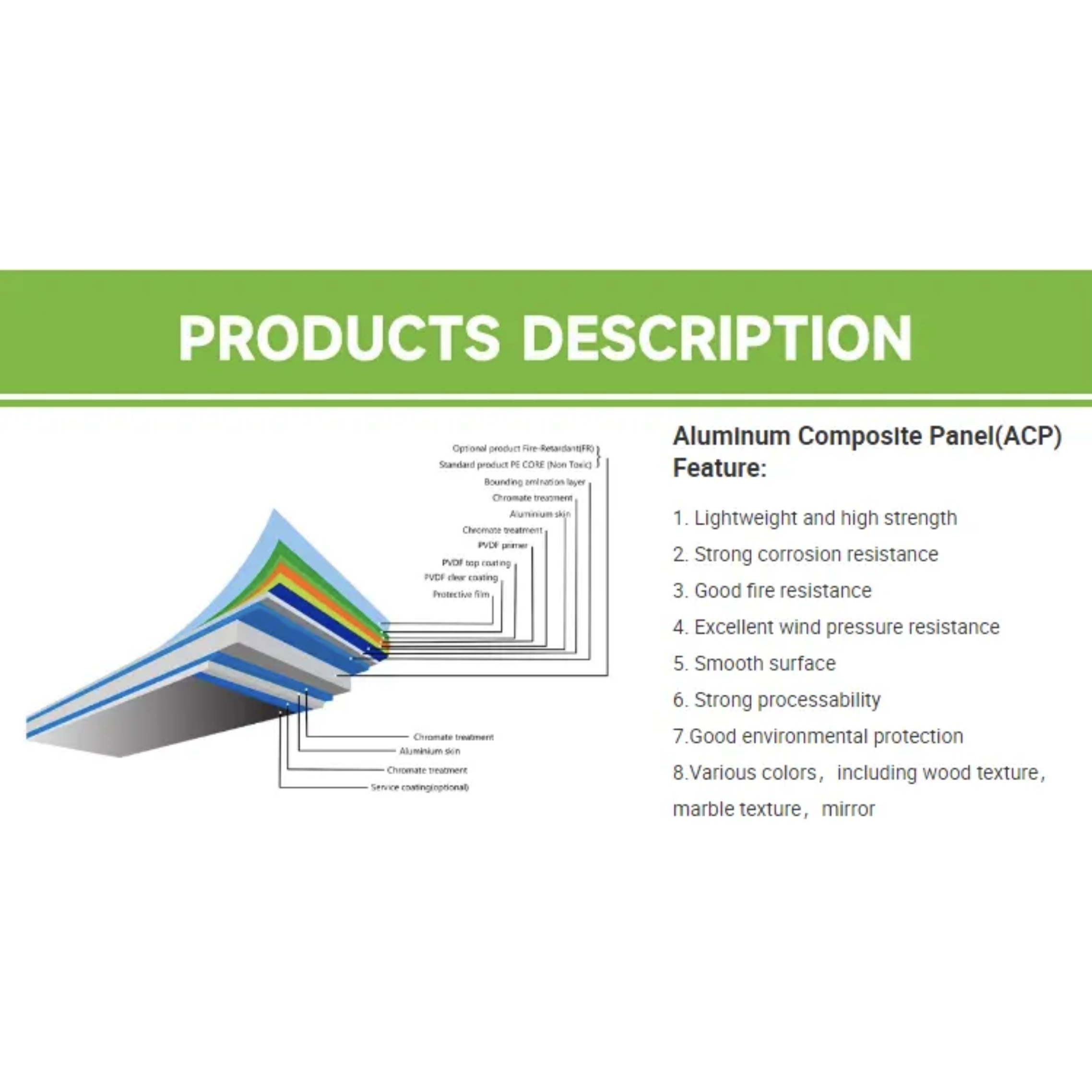
Alucobond is a sandwich panel. Two thin aluminum skins bond to a thermoplastic core (polyethylene or mineral-filled). When a corner breaks, the outer skin cracks. The core may also fracture.
The problem is the core. Most adhesives and sealants do not bond to polyethylene. They stick to the aluminum skin but not the core. The repair looks good for a few months. Then it fails.
Heat makes it worse. The polyethylene core melts above 200°F (93°C). Any repair that generates heat risks melting the core from the inside.
The right repair method must:
1. Bond to aluminum
2. Seal the exposed core against moisture
3. Handle thermal expansion and contraction
4. Require no heat
Welding vs. Cold Patching: Which One Works?
Option 1: Aluminum Welding (TIG/Heliarc)**
Welding is the industrial standard for structural aluminum. A TIG welder uses a tungsten electrode and filler rods like ER4043.
But welding Alucobond in the field is a mistake.
The intense localized heat exceeds 600°C (1112°F). At that temperature, the polyethylene core melts instantly. The panel delaminates. Bubbles form around the weld zone. The panel loses its flatness.
The verdict: welding is not recommended for field repairs of architectural Alucobond. Unless you are in an aerospace shop with controlled conditions, welding is too aggressive.
Option 2: Epoxy Cold Patching (The Field Standard)
For 99% of field repairs on PE-core Alucobond, epoxy-based edge fillers are the superior solution.
Epoxy requires no heat. It bonds to aluminum at room temperature. It seals the exposed core against moisture. High-grade structural epoxies offer mechanical strength sufficient for facade wind loads.
If you source your panels from a reliable Alucobond supplier in China, ask about their recommended repair epoxies. Many manufacturers provide technical documentation on compatible repair materials.
The Field-Proven Repair Method: Step by Step
Step 1: Assess the Damage
Not every corner break can be repaired.
Repair when:
- The crack is less than 25mm long
- Only the edge is affected
- The core is intact and dry
- The panel is not structural
Replace when:
- The crack exceeds 25mm
- The core is crushed or wet
- Multiple cracks form a network
- The panel is in a high-wind zone
Step 2: Stop the Crack from Growing
Use a 1mm drill bit. Drill a tiny hole at each end of the crack. This relieves stress. It prevents the crack from running further.
Step 3: Prepare the Surface
Clean the cracked area thoroughly. Remove dirt, grease, and loose material.
Use a rotary tool or file to widen the crack slightly. Create a small V-groove along the break. This gives the adhesive more surface area to bond.
Grind down to bare metal using a stainless steel brush. Avoid contamination from other metals.
Step 4: Clean with Solvent
Wipe the area with isopropyl alcohol. Let it dry completely. The surface must be clean and dry for the adhesive to bond.
Step 5: Apply Structural Epoxy
Mix the epoxy according to the manufacturer's instructions. Two-component epoxies require thorough mixing. Incomplete mixing means weak bonding.
Apply the epoxy to the prepared crack. Fill the V-groove. Make sure the epoxy seals the exposed core against moisture.
Recommended epoxy types:
- High-strength structural epoxies with metallic fill
- Two-component, high-modulus formulas for metal repair
- Aluminum-filled epoxy pastes for void filling
Step 6: Reinforce the Corner (Optional)
For larger breaks, reinforce with an aluminum angle. Cut a small corner bracket. Apply epoxy to the bracket. Press it against the repaired corner. Clamp until cured.
Step 7: Cure
Leave the repair for the full cure time specified by the manufacturer. Most structural epoxies reach handling strength in 4 to 6 hours. Full cure takes 24 hours.
Do not rush this step. Insufficient cure time means insufficient strength.
Step 8: Finish and Inspect
Sand the repaired area smooth. Prime and coat to match the original finish.
Inspect the repair. Apply gentle pressure. It should feel solid.
The Repair Flowchart
Start
│
▼
Assess corner damage
│
├─── Minor crack (<25mm) ───► Proceed with repair
│
└─── Major crack (>25mm) ───► Replace panel
│
▼
Drill 1mm stop-holes at crack ends
│
▼
Create V-groove along crack with file
│
▼
Grind to bare metal with a stainless steel brush
│
▼
Clean with isopropyl alcohol
│
▼
Apply structural epoxy to crack
│
▼
(Optional) Reinforce with aluminum angle
│
▼
Cure for a minimum of 24 hours
│
▼
Sand, prime, and coat to match finish
│
▼
Inspect repair
│
▼
Done
Common Mistakes to Avoid
Mistake 1: Using the Wrong Adhesive
General-purpose caulk or construction adhesive will not work. It lacks structural strength. It does not bond to aluminum properly.
Fix: Use a structural epoxy specifically rated for aluminum and composites.
Mistake 2: Skipping Surface Preparation
Adhesive needs a clean, rough surface to grip. Oil, dust, or smooth aluminum prevents bonding.
Fix: Grind to bare metal. Clean with solvent. Let it dry completely.
Mistake 3: Trying to Weld in the Field
Welding melts the polyethylene core. It causes delamination and bubbling.
Fix: Use cold epoxy repair. No heat. No risk.
Mistake 4: Insufficient Cure Time
The epoxy may feel dry after a few hours. It is not at full strength.
Fix: Follow the manufacturer's cure time. Wait 24 hours minimum.
Cost Comparison: Repair vs. Replace
Factor | Epoxy Cold Repair | Panel Replacement |
Material cost | $20–$80 | $120–$250+ |
Labor time | 2–4 hours | 1 hour (plus removal) |
Equipment needed | Basic hand tools | New panel + installation crew |
Lead time | Immediate | 2–4 weeks |
Structural integrity | 60–75% of original | 100% |
Cosmetic result | 80–95% match | 100% match |
What to Ask Your Alucobond Supplier in China
When you work with an Alucobond supplier in China, ask these questions:
1. What structural epoxy do you recommend for field repairs? A knowledgeable supplier will specify products that work with their panels.
2. Do you provide repair documentation? A reliable manufacturer of Alucobond will include repair guidelines in their technical manual.
3. What is your replacement panel lead time? If the repair is not feasible, you need to know how long replacement takes.
4. Can you match the existing color for replacement panels? Color matching is critical for visible repairs.
A good wholesale supplier of Alucobond will guide you on whether to repair or replace. They will recommend the right adhesive. And they will stand behind their recommendations.
The Bottom Line
Welding Alucobond corners in the field is a mistake. The heat melts the core. The panel delaminates. The repair fails.
Cold epoxy patching is the field-proven method. It requires no heat. It bonds to aluminum. It seals the core. It restores structural integrity.
Drill stop-holes. Prepare the surface. Apply structural epoxy. Cure for 24 hours. Finish to match.
Do this, and your corner repair will last.
Skip these steps, and you will be fixing the same corner again in six months.
Choose the right Alucobond supplier in China. Use the right materials. Repair with confidence.