Welcome to Vbond
Moisture Ingress at Cut Edges: The Slow Burn That Causes Alucobond Delamination
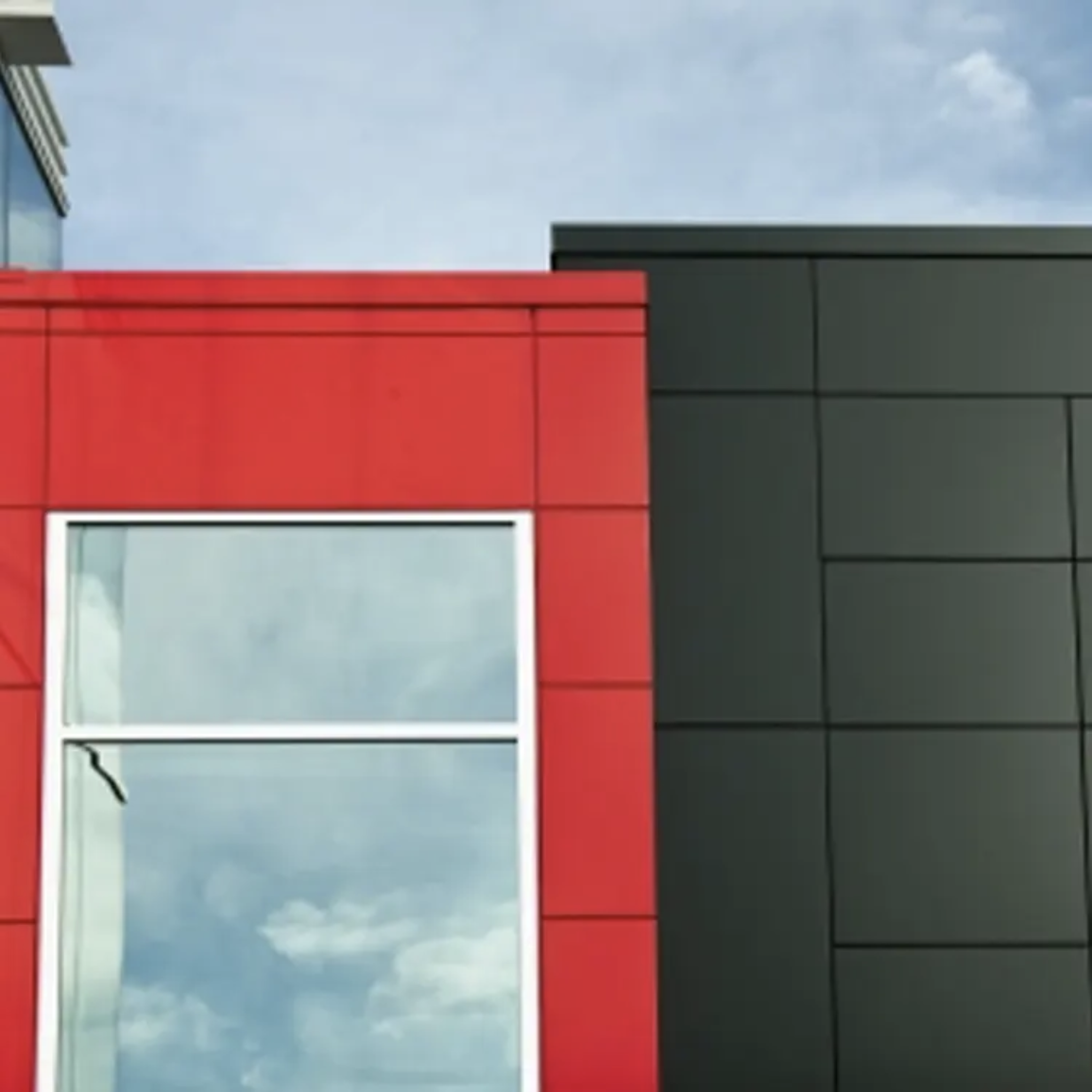
The edge of an aluminum composite panel is its most vulnerable point. It is where the aluminum skins meet the core, where fabrication begins, where moisture can enter, and where the structural integrity of the entire facade is tested.
You install a beautiful Alucobond facade. The panels line up perfectly. The joints are tight. The client approves the work.
Months later, you see them. Bubbles. Bulges. A hollow sound when you tap the panel. The aluminum skin is separating from the core.
What happened? Moisture entered through the cut edges. Slowly. Quietly. Over months or years. It degraded the bond between the aluminum skin and the core. The panel delaminated.
This guide explains why moisture ingress at cut edges causes Alucobond delamination. You will learn the mechanisms behind the failure. You will understand how moisture attacks the panel from the inside out. And you will know exactly how to prevent it.
Why the Cut Edge Is the Weak Point
In a premium Alucobond panel, the factory edges are sealed. The aluminum skin and core are bonded under controlled conditions. The edge is protected.
But when you cut the panel on site—for size, for shape, or for routing—you expose the core. The polyethylene or mineral-filled core is now open to the environment. The protective barrier is gone.
What makes the cut edge vulnerable:
- The core material is exposed
- The adhesive bond is visible at the cut line
- There is no factory sealant protecting the edge
- Moisture can wick directly into the core
A reputable budget Alucobond supplier will warn you about this in their installation guidelines. A manufacturer of Alucobond provides technical documentation on edge sealing requirements.
The Mechanisms of Moisture Ingress Delamination
Moisture attacks the cut edge through four distinct mechanisms. Each one weakens the panel. Each one leads to delamination.
Mechanism 1: Capillary Action
The core material acts like a sponge. When water touches the exposed cut edge, capillary action pulls moisture into the core. The water travels along the interface between the aluminum skin and the core.
Once moisture enters, it stays there. It cannot evaporate easily because the aluminum skin seals the front and back. The moisture is trapped inside the panel.
Mechanism 2: Core Swelling
The polyethylene core absorbs moisture. It swells. The swelling creates pressure against the aluminum skins. The skins are pushed outward. Bubbles and bulges appear on the panel surface.
Mechanism 3: Adhesive Degradation
Moisture attacks the adhesive bond between the aluminum skin and the core. The adhesive breaks down. The bond weakens. The layers separate.
Once delamination begins at the edge, it propagates inward like a zipper. Within months, the panel shows bubbling, wrinkling, or complete separation.
Mechanism 4: Freeze-Thaw Cycling
In cold climates, trapped moisture freezes. Water expands by about 9% when it freezes. The expansion forces the aluminum skin away from the core. The bond fails. The delamination accelerates.
The Warning Signs of Moisture Ingress
Sign | What It Looks Like | What It Means |
Edge bubbling | Raised bumps along the cut edge | Moisture has entered the core |
Hollow sound | Dull sound when tapping the panel | The skin has separated from the core |
Swelling | Panel surface bulges outward | Core has absorbed moisture and expanded |
Discoloration | Dark spots or stains near edges | Moisture has penetrated the adhesive layer |
Cracking | Hairline cracks at the edge | Core material is degrading |
Caption: Warning signs of moisture ingress delamination in Alucobond panels.
Alt text: Table showing five warning signs of moisture ingress delamination with descriptions and what each sign means.
The Delamination Process Flowchart
Start
│
▼
Panel is cut on site
│
▼
Core material is exposed at the cut edge
│
▼
Moisture contacts the exposed edge
│
▼
┌─────────────────────────────────────────────────┐
│ Four Attack Mechanisms │
├─────────────────────────────────────────────────┤
│ 1. Capillary action pulls water into the core │
│ 2. Core swells, pushing skins outward │
│ 3. Adhesive bond degrades, layers separate │
│ 4. Freeze-thaw cycling forces delamination │
└─────────────────────────────────────────────────┘
│
▼
Aluminum skin separates from core
│
▼
Void forms between layers
│
▼
Bubbles, bulges, or hollow sounds appear
│
▼
Panel surface is compromised
│
▼
Panel must be replaced
The Cutting Method Factor
How you cut the panel matters. Different cutting methods create different edge conditions.
Die-cutting creates a clean shear cut with minimal heat generation. The fibers of the core are severed cleanly rather than melted. Delamination risk is low to minimal. Both skins are cut simultaneously, maintaining alignment.
CNC routing creates a machined finish with visible tool marks. Heat generation melts the polyethylene core, creating a "smear" of plastic on the cut edge. Delamination risk is moderate to high. The primary culprit is heat. Melted core material re-solidifies as a thin film between the skins, preventing them from seating flush.
The lesson: If you must cut panels on site, use methods that minimize heat generation and preserve edge integrity.
How to Prevent Moisture Ingress Delamination
1. Seal all cut edges immediately
This is the most critical prevention measure. Every cut edge must be sealed before installation.
What to use: High-quality, flexible polyurethane sealants compatible with aluminum and the panel core. The sealant creates a moisture barrier that prevents water from entering the exposed core.
When to seal: Seal the edge immediately after cutting. Do not wait. Do not leave exposed edges overnight.
2. Store panels correctly before installation
Moisture damage can start before the panel ever reaches the wall.
Storage rules from ALUCOBOND guidelines:
- Protect ALUCOBOND pallets during storage against rain, penetration of moisture, and condensation
- Only pallets of identical size should be stacked
- Maximum of 6 pallets stacked on top of each other
- Storage exceeding 6 months should be avoided
- Any panels exposed to moisture must be dried to avoid spots or corrosion
3. Use proper fastening systems with sealing washers
Fasteners can also be a path for moisture ingress.
The correct approach:
- Use stainless steel fascia screws with sealing washers
- Tighten screws so the sealing washer sits on the panel to seal the bore hole
- Do not exert pressure on the panel when tightening
4. Inspect panels on delivery
Before you cut or install anything, inspect the panels.
What to check:
- Examine packaging for water stains or damage
- Check for any signs of moisture exposure
- Document any damage with photographs
- Report damage to the forwarding agent immediately
5. Apply protective coatings to raw edges
For panels that will be exposed to harsh environments, consider applying a protective coating to the cut edges. This creates an additional barrier against moisture.
6. Choose the right core material
Not all cores are equally vulnerable to moisture. Mineral-filled cores (A2 or PLUS) offer better moisture resistance than standard PE cores. When ordering from a budget Alucobond supplier, ask about the core composition.
The Prevention Flowchart
Start
│
▼
Receive and inspect panels for moisture damage
│
├─── Damage found? ─── Yes ───► Document and return
│
No
│
▼
Store panels flat, protected from rain and moisture
│
▼
Cut panels using methods that minimize heat and edge damage
│
▼
Seal all cut edges immediately with polyurethane sealant
│
▼
Install with stainless steel fasteners and sealing washers
│
▼
Inspect installed panels for early signs of moisture ingress
│
▼
Done
What to Ask Your Budget Alucobond Supplier
When you work with a budget Alucobond supplier, ask these questions:
1. What edge sealing products do you recommend? A knowledgeable manufacturer of Alucobond will specify compatible sealants.
2. Do you provide edge sealing guidelines? A reliable wholesale supplier of Alucobond will have technical documentation.
3. What is your panel's moisture resistance rating? Mineral-filled cores offer better moisture resistance than standard PE cores.
4. Do you offer pre-sealed cut edges? Some distributors of Alucobond panels can provide factory-sealed edges for common sizes.
5. What is your storage recommendation? The answer should match ALUCOBOND guidelines—protect against rain, moisture, and condensation.
The Bottom Line
Moisture ingress at cut edges is the slow burn that causes Alucobond delamination. It starts small. A drop of water. A humid day. A poorly sealed edge.
Over months or years, that moisture works its way into the core. It swells the material. It degrades the adhesive. It separates the aluminum skin from the core. Bubbles appear. The panel fails.
Prevention is straightforward:
- Seal every cut edge immediately
- Store panels correctly—flat, dry, protected from rain
- Use stainless steel fasteners with sealing washers
- Inspect panels on delivery
- Choose mineral-filled cores for better moisture resistance
A budget Alucobond supplier that provides edge sealing guidance is a supplier you can trust. A supplier that cannot answer your questions about moisture protection is hiding something.
Your facade will stay flat. Your client will stay happy. Your reputation will stay intact.