Welcome to Vbond
Poor Adhesive Bonding: The Hidden Cause of Delamination and Blisters in Alucobond
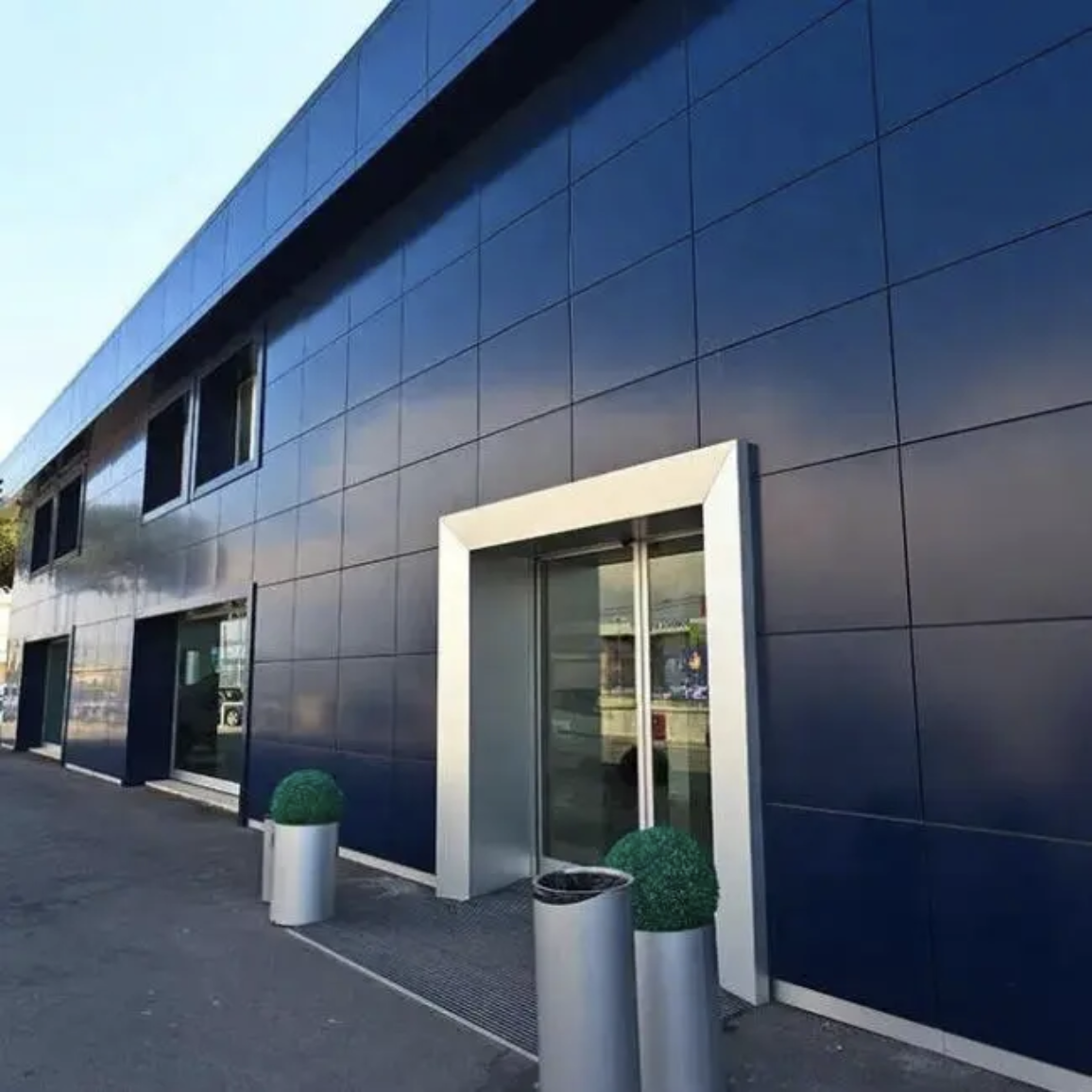
You inspect the finished facade. The panels look flawless. The client approves the work.
Six months later, you see them. Raised bumps on the panel surface. Blisters. They ruin the sleek appearance. The client demands answers.
The problem started in the factory. Specifically, it started with poor adhesive bonding between the aluminum skins and the core.
This guide explains why poor adhesive bonding causes delamination and blisters. You will learn the mechanisms behind adhesive failure. You will understand how to identify the signs. You will also learn how to prevent these costly failures.
What Is Adhesive Bonding in Alucobond?
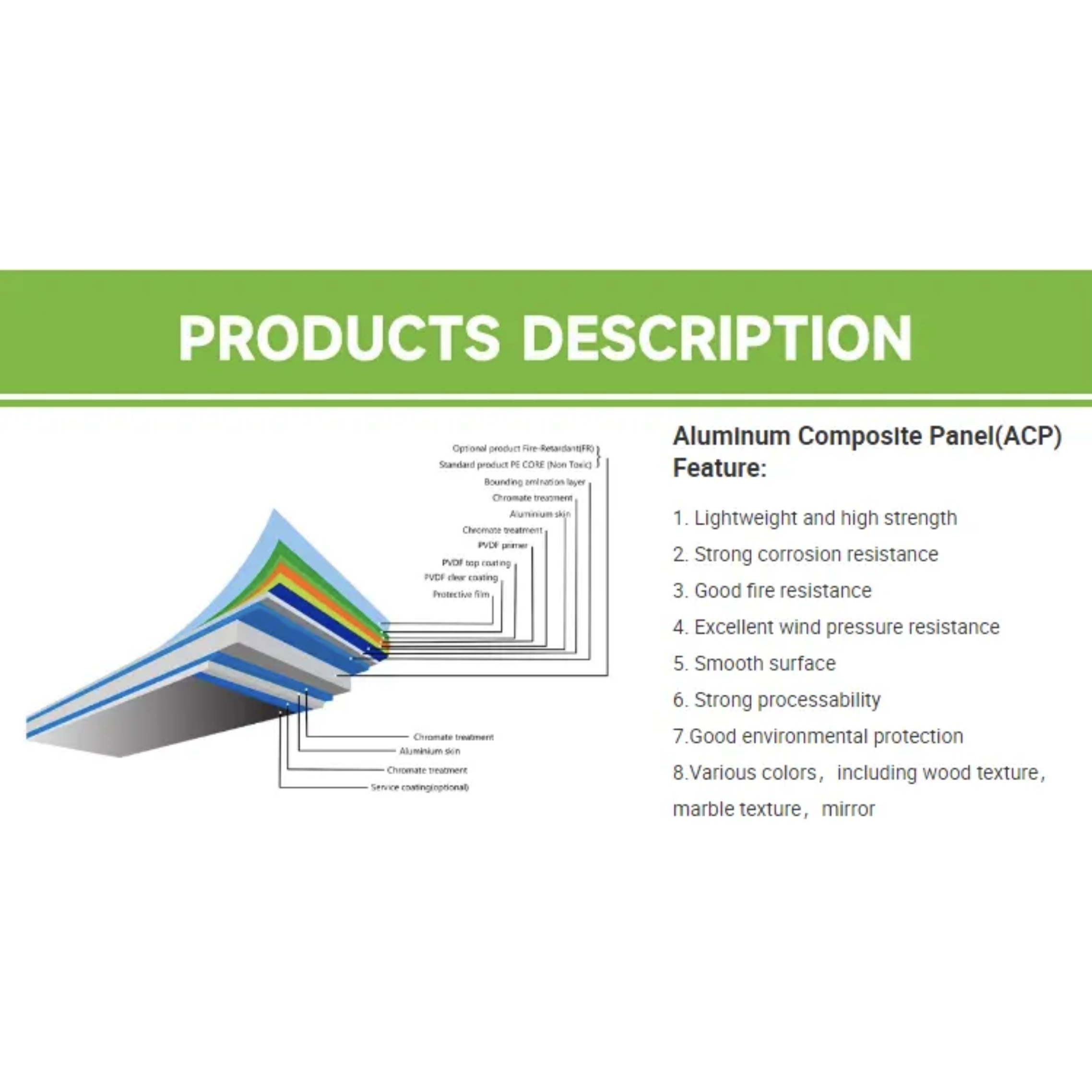
Alucobond is a sandwich panel. Two aluminum skins bond to a core material. The bond between these layers determines the panel's performance.
The adhesive layer must transfer stress between the aluminum skins and the core. When the panel expands, contracts, or faces wind loads, the adhesive must hold everything together.
A premium Alucobond cladding supplier uses high-quality adhesives with proper surface treatment before lamination. Low-cost manufacturers use off-spec adhesives or skip the surface treatment entirely.
When the adhesive bond fails, you get delamination. When delamination creates voids, you get blisters.
What Is Delamination?
Delamination is the separation of the aluminum skin from the core material. The panel looks fine from the outside, but the bond between the layers has failed.
What delamination looks like:
- The aluminum skin lifts away from the core
- The panel feels hollow when tapped
- The edge shows visible separation between layers
- The panel loses structural integrity
What causes delamination:
- Inadequate adhesive application during manufacturing
- Contamination on the aluminum surface before bonding
- Improper temperature or pressure during lamination
- Moisture attacking the adhesive bond at cut edges
In counterfeit or low-quality panels, delamination often appears within 1-3 years of installation. In high-temperature regions, counterfeit panels may blister due to poor adhesive bonding between the aluminum skins and the core.
What Are Blisters?
A blister is a localized separation between the aluminum skin and the core material. The raised area indicates that the adhesive bond has failed, creating a void filled with air, gas, or moisture vapor.
What blisters look like:
- Raised bumps on the panel surface
- Smooth, rounded shapes
- Visible at certain angles under sunlight
- May feel hollow or spongy when pressed
How blisters form:
When we peel back the aluminum skin on a blistered panel, we find signs of poor adhesion around the blister. The cause is simple: during lamination, air gets trapped between the layers. A very thin layer of air blocks full adhesion.
The Root Causes of Adhesive Bond Failure
Cause 1: Inadequate Surface Preparation
Before lamination, the aluminum surface must be clean and properly treated. Contaminants prevent the adhesive from bonding.
Cheap panels often use insufficient surface treatment before lamination. Oil, dust, or oxide layers on the aluminum prevent the adhesive from gripping.
The result: The adhesive does not bond properly. The layers separate under stress.
Cause 2: Off-Spec Adhesives
Not all adhesives work for aluminum composite panels. Cheap manufacturers use off-spec adhesives to save money.
These adhesives lack the shear strength and durability needed for exterior applications. They degrade under UV exposure. They lose their bond under thermal stress.
The result: The adhesive fails within months or years, not decades.
Cause 3: Trapped Air During Lamination
During roller lamination, air gets trapped between the aluminum skin and the core. The rollers cannot squeeze out all the air.
This trapped air creates voids in the adhesive layer. These voids are invisible at the factory. But under thermal stress, they become visible blisters.
The result: The panel looks fine at delivery. Blisters appear months later.
Cause 4: Unmelted Particles in the Core
The core sheet is extruded with granular infusible material—particles that do not melt. These particles may be impurities mixed with plastic particles.
When these unmelted particles reach a certain size, they protrude from the core surface. During lamination, air gets trapped around them. The adhesive cannot bond properly in those areas.
The result: Voids form around the particles. These voids become blisters.
Cause 5: Moisture Ingress at Cut Edges
The edge of an aluminum composite panel is its most vulnerable point. Moisture wicks into unsealed cut edges, attacking the adhesive bond.
Once moisture reaches the adhesive layer, it degrades the bond. The aluminum skin lifts. Blisters form.
The result: Edge delamination spreads inward. The panel fails from the edges.
Cause 6: Inadequate Lamination Pressure
Proper lamination requires sufficient pressure to squeeze out air and ensure full contact between layers.
When lamination pressure is too low, air pockets remain between the layers. These air pockets become voids. Voids become blisters.
The result: Inconsistent bonding across the panel surface.
The Adhesive Failure Flowchart
Start
│
▼
Panel manufactured with poor adhesive bonding
│
├─── Inadequate surface preparation
├─── Off-spec adhesives
├─── Trapped air during lamination
├─── Unmelted particles in core
├─── Low lamination pressure
└─── Moisture ingress at edges
│
▼
Adhesive bond weakens over time
│
▼
┌─────────────────────────────────────────────────┐
│ Two Failure Pathways │
├─────────────────────────────────────────────────┤
│ 1. Delamination – layers separate │
│ 2. Blisters – voids form under the skin │
└─────────────────────────────────────────────────┘
│
▼
Panel surface shows visible defects
│
▼
Facade appearance is compromised
│
▼
Panel must be replaced
How to Identify Adhesive Bond Failure
Visual inspection:
Look for raised bumps on the panel surface. Check the edges for separation between layers. Inspect for any unevenness or waviness.
The tap test:
Tap the panel with the handle of a screwdriver. A solid panel produces a sharp, consistent sound. A panel with adhesive failure produces a dull, hollow sound where the layers have separated.
The edge test:
Examine the cut edges of the panel. Look for any signs of separation between the aluminum skin and the core. If you can see gaps, the bond has failed.
The blister test:
Press on any raised areas. If the blister feels hollow or spongy, air or moisture has entered between the layers. This indicates adhesive failure.
The Cost of Adhesive Failure
Consequence | What Happens | Cost Impact |
Delamination | Layers separate, panel loses strength | Panel must be replaced |
Blisters | Surface defects ruin aesthetics | Client complaints, rework |
Edge failure | Moisture enters, bond degrades | Structural compromise |
Warranty denial | Manufacturer rejects claims | You pay for replacement |
Reputation damage | Failed facade reflects poorly on you | Lost future projects |
Caption: The cost of adhesive bond failure in Alucobond panels.
Alt text: Table showing four consequences of adhesive failure with cost impacts.
How to Prevent Adhesive Bond Failure
1. Source from a Quality Manufacturer
The most important prevention measure is choosing the right supplier. A reputable Alucobond cladding supplier uses proper surface preparation, high-quality adhesives, and controlled lamination conditions.
A professional manufacturer of Alucobond controls cooling rates, lamination pressure, and material tension to produce panels with consistent bonding. Counterfeit panels often use off-spec adhesives or insufficient surface treatment.
2. Verify Specifications Before Purchase
Demand technical documentation from your supplier. Check the aluminum skin thickness—premium panels use 0.3mm to 0.5mm skins. Check the core type—mineral-filled cores provide better stability. Verify the adhesive system used in manufacturing.
3. Inspect Panels on Delivery
Inspect every panel before fabrication. Look for surface defects. Check the edges for signs of delamination. Perform the tap test on sample panels.
4. Seal All Cut Edges
The edge is the most vulnerable point. Moisture wicking into unsealed cut edges attacks the adhesive bond.
Seal every cut edge during fabrication. Use proper edge sealants to prevent moisture ingress.
5. Store Panels Correctly
Protect panels against rain, moisture, and condensation. Store them flat, not standing vertically. Avoid storage exceeding 6 months.
6. Use Compatible Adhesives for Installation
Standard adhesives and sealants do not adhere to the plastic core of Alucobond. When bonding Alucobond to other materials, use adhesives specifically designed for aluminum composite panels. Using non-compatible adhesives can reduce adhesion and compromise the fastening.
The Prevention Flowchart
Start
│
▼
Source from a reputable Alucobond cladding supplier
│
▼
Verify specifications (skin thickness, core type, adhesive)
│
▼
Inspect panels on delivery (visual, tap test, edge check)
│
▼
Store panels flat, protected from moisture
│
▼
Seal all cut edges during fabrication
│
▼
Use compatible adhesives for installation
│
▼
Inspect installed facade for early signs of failure
│
▼
Done
What to Ask Your Alucobond Cladding Supplier
When you work with an Alucobond cladding supplier, ask these questions:
1. What adhesive system do you use? A quality manufacturer of Alucobond will specify the adhesive type and application process.
2. What is your surface preparation process? Proper surface treatment ensures adhesive bonding.
3. What is your lamination pressure and temperature? Controlled conditions prevent trapped air.
4. What is your aluminum skin thickness? Premium panels use 0.3mm to 0.5mm skins.
5. Do you provide quality control documentation? A reliable wholesale supplier of Alucobond will have QC records.
6. What is your warranty coverage for delamination? A distributor of Alucobond panels should stand behind their material.
A certified Alucobond supplier provides genuine material with full traceability. An OEM manufacturer of Alucobond controls quality from raw material to finished panel. Choose an Alucobond cladding supplier who provides technical documentation and stands behind their product.
The Bottom Line
Poor adhesive bonding is the hidden cause of delamination and blisters in Alucobond. It starts in the factory. Inadequate surface preparation. Off-spec adhesives. Trapped air. Unmelted particles. Low lamination pressure.
The bond fails. The layers separate. Voids form. Blisters appear.
Prevention starts with the supplier. Choose a reputable alucobond cladding supplier that uses proper adhesives and controlled manufacturing. Verify specifications before purchase. Inspect panels on delivery. Seal all cut edges. Store panels correctly.
If an Alucobond cladding supplier can't answer your questions about their adhesive system, they're hiding something. A supplier that provides quality documentation and traceability is a supplier you can trust.
Your facade will stay flat. Your client will stay happy. Your reputation will stay intact.