Welcome to Vbond
Specialized Router Bits for Alucobond: Why Standard Bits Cause Cracking
You set up the router. You use a standard V-groove bit from the hardware store. It looks like it should work. It cuts a groove. You fold the panel. Cracks appear along the bend line.
The bit is the problem.
Standard router bits are not designed for aluminum composite material. They cut too deep. They create the wrong groove shape. They generate too much heat. The result is predictable: cracked panels, scrapped material, and delayed projects.
This guide explains why specialized router bits matter. You will learn what makes a bit "specialized." You will understand how the wrong bit causes cracking. And you will know exactly what to look for when you buy tooling.
What Makes Alucobond Different from Other Materials
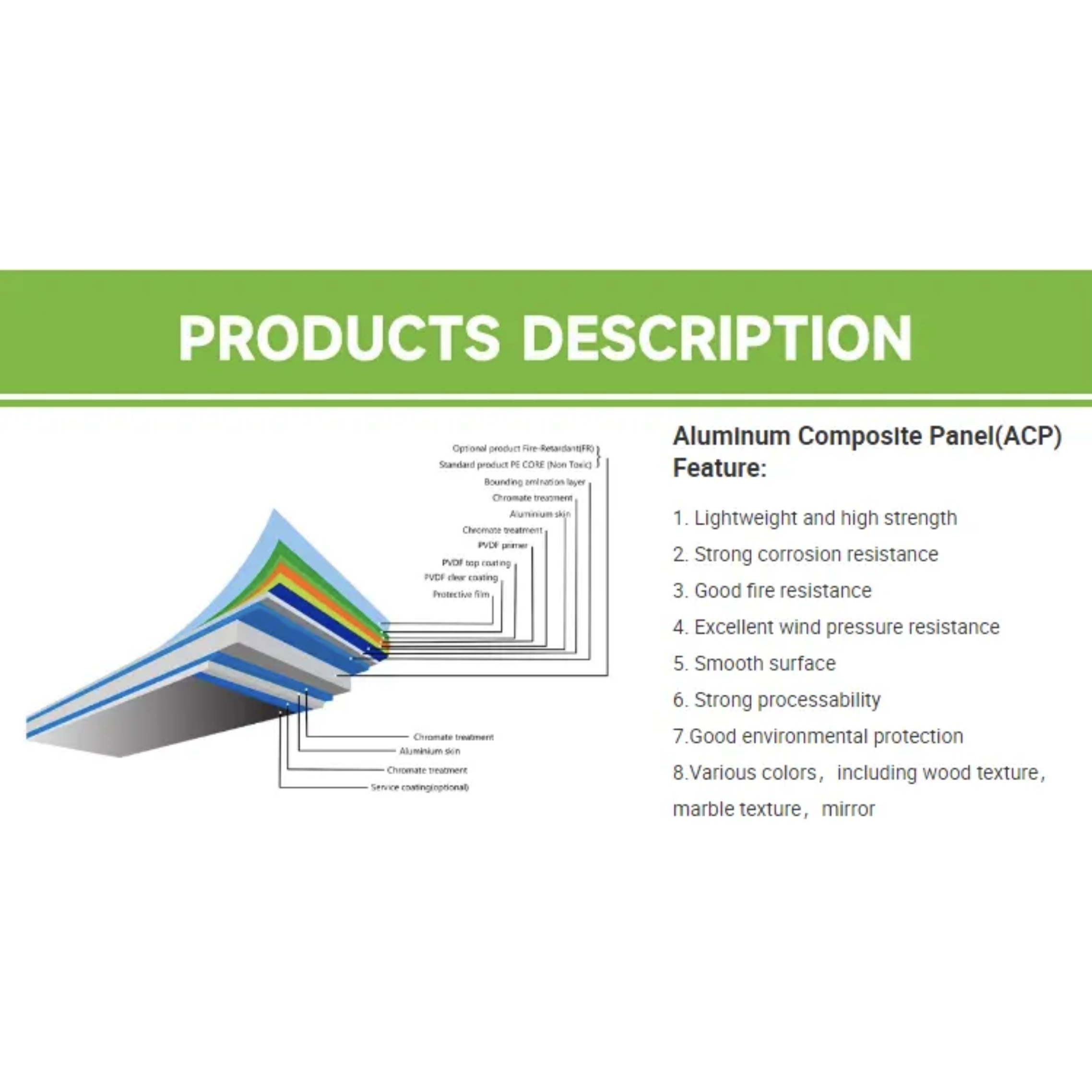
Alucobond is a sandwich panel. Two thin aluminum skins bond to a polyethylene or mineral-filled core. When you fold it, the outer skin stretches. The inner skin compresses. The core transfers stress between them.
Standard router bits are designed for wood or solid aluminum. They cut differently. They remove material differently. They leave different groove shapes.
Alucobond needs a specific groove shape for clean folding. The groove must remove the rear aluminum skin and most of the core while leaving the front skin intact. A thin layer of core material must remain at the bottom of the groove to support the front skin during bending.
Standard bits cannot do this reliably. They cut too deep or too shallow. They create stress points. They cause cracking.
How Standard Router Bits Cause Cracking
Problem 1: The Sharp V-Point
Standard V-groove bits have a sharp point at the bottom. When you cut a groove, that point creates a sharp V-shape at the bottom of the groove.
That sharp point is a stress riser. When you bend the panel, all the stress concentrates at that single point. The aluminum skin cannot distribute the force. It tears.
Problem 2: Inconsistent Depth Control
Standard bits lack the precision needed for Alucobond. A minor variation in depth changes the residual thickness dramatically. Cut too deep, and the front skin loses support. It cracks. Cut too shallow, and the panel resists bending. The skin tears from excess stress.
Problem 3: Wrong Geometry
A standard V-groove bit with a 90-degree angle is meant for wood. It creates a different groove profile than what Alucobond needs. Using a bit with the wrong angle or geometry changes the groove depth and the stress distribution at the fold.
Problem 4: Heat Generation
Standard bits are not optimized for chip evacuation in composite materials. They generate heat. Heat softens the polyethylene core. The bit cuts deeper than intended. The panel cracks.
What Specialized Router Bits Do Differently
Specialized Alucobond router bits are engineered for the material. They have specific features that standard bits lack.
Feature 1: Flat-Bottom Design
Specialized V-groove bits often have a flat bottom instead of a sharp point. A flat-bottom bit has a tip width of 2- 3 mm. This creates a groove with a flat base instead of a sharp V.
The flat bottom distributes stress more evenly. No single point bears the full load. The aluminum stretches more evenly. Cracking risk drops significantly.
Feature 2: Optimized Geometry
Specialized bits come in specific angles for specific folds. A 90-degree bit creates a 90-degree fold. A 108-degree bit creates a different fold profile. A 135-degree bit works for other applications.
Using the right angle for the right fold prevents stress concentration at the bend.
Feature 3: Carbide Construction
Specialized bits use carbide or carbide-tipped construction. Carbide stays sharp longer. It cuts cleaner. It generates less heat. It does not dull against the abrasive mineral-filled core of architectural-grade Alucobond.
Feature 4: Shear Cut Geometry
High-quality specialized bits feature optimized shear cut geometry. This reduces cutting forces and minimizes vibrations during routing. The result is a smoother groove with less stress on the material.
V-Groove vs. U-Groove: Which Bit Causes Less Cracking?
Feature | V-Groove Bit | U-Groove Bit |
Tip shape | Sharp point | Rounded bottom |
Stress distribution | Concentrated at the point | Spread evenly across the curve |
Crack risk | Higher | Lower |
Fold appearance | Sharp, clean corner | Slightly rounded corner | |
Suitable applications | Tight, crisp architectural edges | High-stress exterior applications |
Fabrication cost | Standard | Slightly higher (specialized bit) |
Caption: Comparison of V-groove and U-groove router bits for Alucobond folding. Source: Industry fabrication data.
Alt text: Table comparing V-groove and U-groove router bits across tip shape, stress distribution, crack risk, fold appearance, suitable applications, and fabrication cost.
The U-groove bit offers distinct advantages for exterior applications. The rounded bottom spreads the bending force across a wider area. The gentler bend reduces coating stress—the paint stretches more gradually and cracks less often.
The 0.3mm Rule and Groove Shape
The industry standard for residual thickness is 0.3mm minimum. This is the material left at the bottom of the groove after routing.
V-grooves make it harder to maintain that 0.3mm. The sharp point requires precise depth control. A minor variation changes the residual thickness dramatically.
U-grooves offer more forgiveness. The rounded bottom maintains more consistent material thickness across the groove width. This provides better support for the front aluminum skin.
What to Look for in a Specialized Router Bit
1. Correct Angle
Match the bit angle to your desired fold angle. For a 90-degree fold, use a 90-degree V-groove bit. For other applications, use 108-degree or 135-degree bits.
2. Flat Bottom or U-Shape
Choose a bit with a flat bottom (2- 3 mm tip width) or a U-shaped bottom instead of a sharp V-point. The flat bottom distributes stress more evenly and reduces cracking risk.
3. Carbide Construction
Look for carbide-tipped or solid carbide construction. Carbide stays sharp longer and handles the abrasive, mineral-filled core of architectural-grade Alucobond.
4. Designed for ACM
Ensure the bit is specifically designed for aluminum composite material (ACM). Bits designed for wood or solid aluminum will not work reliably.
5. Correct Shank Size
Match the shank size to your router or CNC machine. Common sizes include 1/4 inch and 1/2 inch.
Recommended Specialized Router Bits
Several manufacturers produce specialized bits for Alucobond:
- Amana Tool offers folding V-groove bits in 90°, 108°, and 135° angles with carbide-tipped construction. Their bits are specifically designed for aluminum composite materials like Alucobond and Dibond.
- CMT produces V-grooving router bits designed specifically for cutting ACM panels using the routing and folding method.
- Trend manufactures V-groove cutters for Alucobond with 90-degree included angles and flat bases.
- Experience Tools offers router bits particularly made for V-groove folding on Alucobond, designed for scoring ACM materials with 90° and 135° angles with flat bottoms.
A reputable wholesale Alucobond supplier can recommend specific tooling for their panels. Some suppliers offer technical documentation on compatible router bits and fabrication guidelines.
Common Mistakes to Avoid
Mistake 1: Using a Standard Woodworking Bit
Woodworking bits are not designed for aluminum composite. They cut differently. They create the wrong groove shape. They cause cracking.
Fix: Use bits specifically designed for ACM and Alucobond.
Mistake 2: Using a Sharp V-Point Bit
Sharp V-points create stress risers. Stress risers cause cracking.
Fix: Use flat-bottom or U-shaped bits. The flat bottom distributes stress more evenly.
Mistake 3: Using the Wrong Angle
A 90-degree bit for a 90-degree fold. A 108-degree bit for other applications. Using the wrong angle changes the groove depth and stress distribution.
Fix: Match the bit angle to your desired fold angle.
Mistake 4: Multiple Passes
Multiple passes in aluminum composite can cause chips to re-weld in the groove. This creates an uneven groove surface and increases cracking risk.
Fix: Use a single pass at full groove depth.
What to Ask Your Wholesale Alucobond Supplier
When you work with a wholesale Alucobond supplier, ask these questions:
1. What router bits do you recommend for your panels? A knowledgeable supplier will specify tooling that works with their material.
2. Do you offer technical documentation on routing? A reliable manufacturer of Alucobond will provide fabrication guidelines.
3. What is your recommended groove depth? The answer should include residual thickness specifications.
4. Can you recommend a tooling supplier? A good distributor of Alucobond panels will have relationships with tooling manufacturers.
Choose an authorized Alucobond dealer who understands fabrication requirements. Work with an OEM manufacturer of Alucobond that provides technical support. A good wholesale supplier of Alucobond will guide you on tooling selection and stand behind their recommendations.
The Bottom Line
Standard router bits cause cracking. They create stress risers. They cut inconsistently. They generate heat. The result is predictable: cracked panels and scrapped material.
Specialized router bits prevent cracking. They use flat-bottom or U-shaped designs. They distribute stress evenly. They maintain consistent depth. They stay sharp longer.
The difference is clear. A standard bit costs less upfront. A specialized bit costs more. But a specialized bit saves panels. It saves time. It saves money.
Choose the right bit for the job. Your panels will fold cleanly. Every time.