Welcome to Vbond
Trapped Air During Lamination: The #1 Reason Alucobond Surfaces Bubble
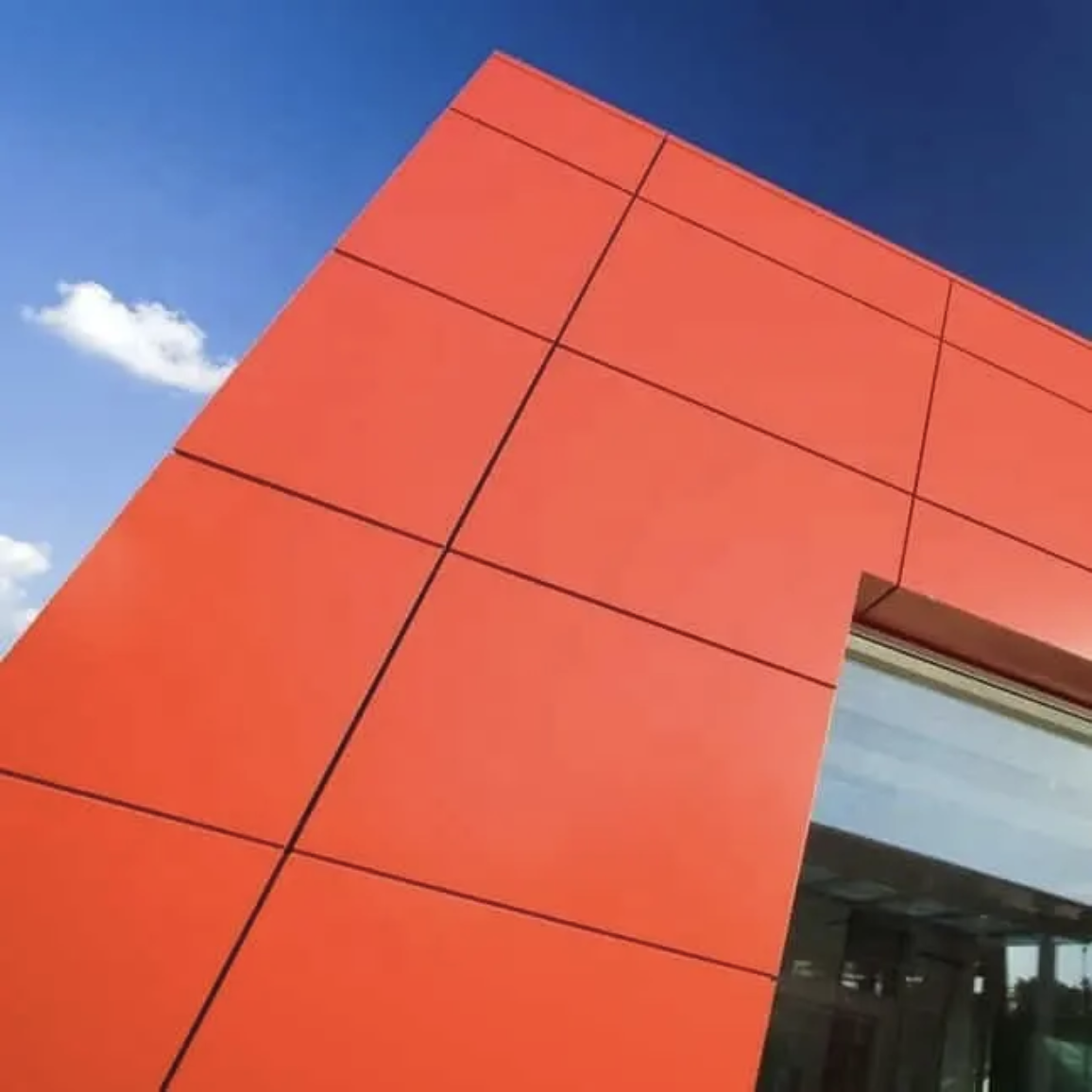
You inspect the finished facade. The panels look flawless. The client approves the work.
Six months later, you see them. Raised bumps on the panel surface. Blisters. They ruin the sleek appearance. The client demands answers.
What caused them? The material? The weather? The installation?
The answer starts in the factory. Specifically, it starts with trapped air during lamination. This is the #1 reason Alucobond surfaces bubble.
This guide explains the trapped air problem. You will learn how air gets trapped. You will understand why it creates blisters. And you will know how to prevent it.
What Is Trapped Air During Lamination?
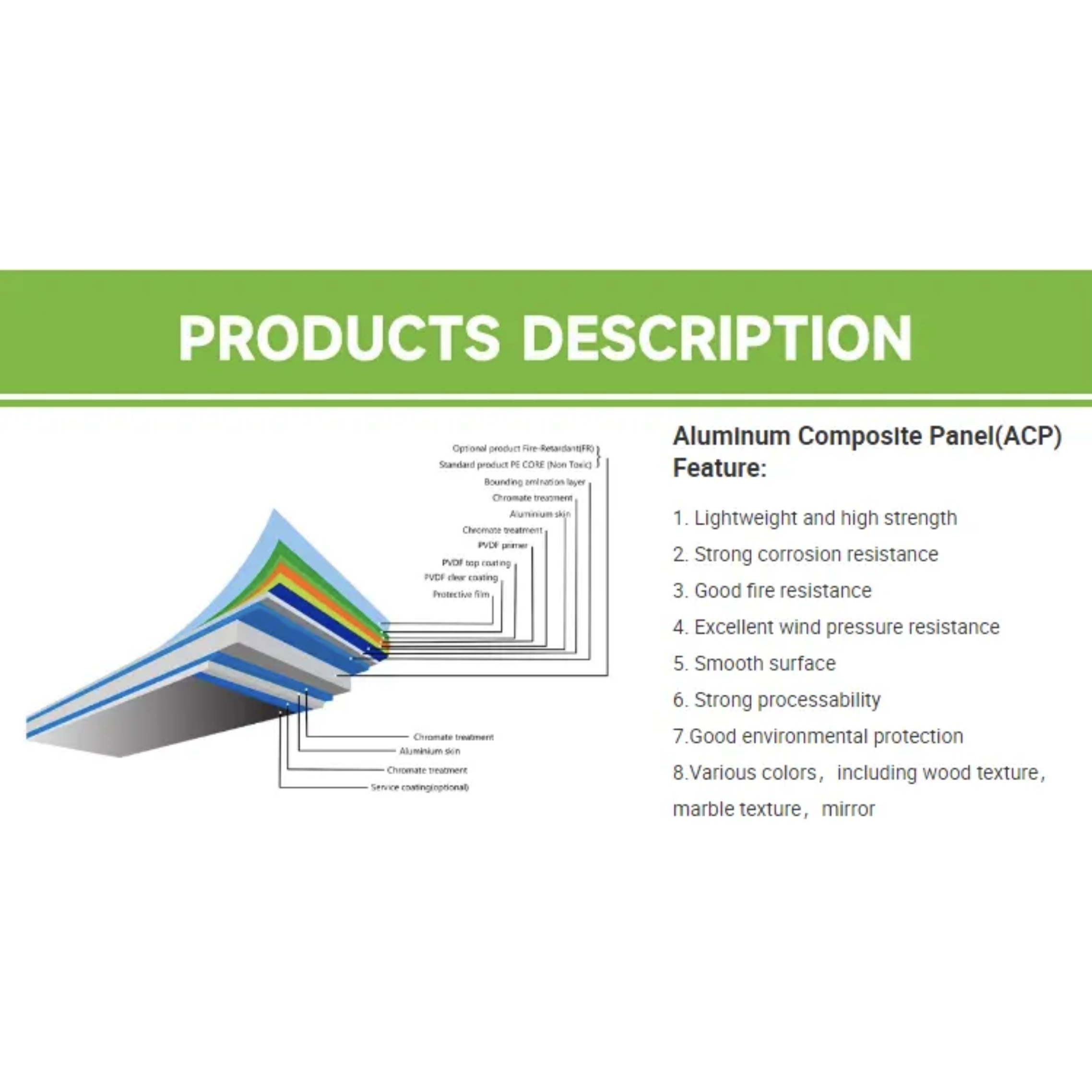
Alucobond is a sandwich panel. Two aluminum skins bond to a core material. The lamination process bonds these layers together under heat and pressure.
Trapped air occurs when air pockets remain between the aluminum skin and the core during lamination. The rollers cannot squeeze out all the air. A very thin layer of air stays trapped in the middle of the panel.
This thin air layer prevents full adhesion between the layers. The panel looks fine at the factory. But under thermal stress, wind load, or normal handling, that air pocket becomes a visible blister.
Why Trapped Air Is the #1 Cause of Blisters
Blisters on aluminum composite panels fall into two categories:
Blister Type | Root Cause | Liable Party |
Delamination blisters | Manufacturing defects (trapped air, unmelted particles, contamination) | Manufacturer |
Moisture expansion blisters | Field failures (unsealed edges, failed sealant) | Installer |
Trapped air during lamination is the most common manufacturing defect. It creates delamination blisters—localized separation between the aluminum skin and the core.
When you press on a delamination blister, you feel hollow emptiness—an air-filled void. That void started as trapped air during lamination.
How Air Gets Trapped: 4 Mechanisms
Mechanism 1: Unmelted Particles in the Core
The core sheet is extruded with granular, infusible material—particles that do not melt. These particles may be impurities mixed with plastic particles. Their melting point is much higher than polyethylene. They cannot melt in the extruder barrel.
When these unmelted particles reach a certain size, they protrude from the core surface. During lamination, air gets trapped around them. The air cannot be squeezed out.
Mechanism 2: Filter Screen Failure
In production, manufacturers use stainless steel wire mesh screens to filter out unmelted particles. When unmelted material accumulates, extrusion back pressure rises. The pressure can burst through the filter screen. Unmelted particles get extruded with the core material. The core sheet develops bubbles.
Mechanism 3: Contamination
Impurities, moisture, or foreign particles trapped between the aluminum and the core during bonding create weak points. These contaminants prevent proper adhesion. Air gets trapped around them.
Mechanism 4: Inadequate Bonding Pressure
Insufficient pressure during lamination leaves air gaps between the core and the aluminum skin. The rollers cannot fully compress and squeeze out the air. A very thin layer of air blocks full adhesion.
The Lamination Process: Where It Goes Wrong
Proper lamination requires:
- Clean aluminum coils – contaminants prevent bonding
- Correct temperature – typically around 150°C (302°F)
- Correct pressure – 5–8 N/mm² for consistent lamination
- Clean core material – no unmelted particles or impurities
- Proper adhesive – high-temperature laminating adhesive
When any of these variables fall outside specifications, the bond weakens. Air gets trapped. Blisters form—sometimes immediately, sometimes months later.
The Consequences of Trapped Air
Consequence | What Happens | Why It Matters |
Surface blisters | Raised bumps visible on the panel | Ruins aesthetics, client complaints |
Delamination | Aluminum skin separates from core | | Structural failure, panel must be replaced |
Void formation | Air pockets weaken the panel | Reduced wind load resistance |
Warranty denial | Manufacturer rejects claims | You pay for replacement out of pocket |
Warranty denial | Failed facade reflects poorly on you | Lost future projects |
How to Detect Trapped Air Before Installation
Visual inspection of the core edge:
Look at the cut edge of a sample panel. Unmelted particles appear as small, hard, translucent, or white particles scattered throughout the core. If you see them, the core has defects.
The bend test:
Take a sample of the core sheet and bend it sharply. Unmelted particles will create visible stress marks or cause the core to crack unevenly.
The backlight test:
Hold the core sheet up to a strong backlight or shine a bright flashlight through it. Voids will appear as bright spots where the light passes through more easily.
The tap test:
Tap each panel with the handle of a screwdriver. A solid panel produces a sharp, consistent sound. A panel with core defects produces a dull, hollow sound.
What to Look For: Quick Reference
Defect | What It Looks Like | How to Test |
Unmelted particles | Small, hard, white/translucent particles in core | Visual inspection, bend test |
Voids/air pockets | Dark spots or shadows on core surface | Backlight test |
Inconsistent core density | Uneven color or texture across core | Visual inspection |
Contamination | Foreign particles trapped in core | Visual inspection, tap test |
What to Ask Your Alucobond Supplier Export
When you work with an Alucobond supplier, ask these questions:
1. What is your filter screen maintenance schedule? Regular filter changes prevent unmelted particles from breaking through.
2. What is your extrusion temperature control? Proper heating prevents unmelted particles. A quality manufacturer of Alucobond will have documented temperature logs.
3. Do you use virgin or recycled LDPE? Virgin LDPE with stabilized additives performs better. Recycled materials contain contaminants.
4. What is your lamination pressure? Proper pressure (5–8 N/mm²) prevents trapped air.
5. Do you provide melt flow index (MFI) test results? Acceptable MFI should be within the supplier's specified range.
6. What is your quality control process for lamination? A wholesale supplier of Alucobond will have documented QC procedures.
A distributor of Alucobond panels should provide technical documentation on their lamination process. An OEM manufacturer of Alucobond controls quality from raw material to finished panel.
The Bottom Line
Trapped air during lamination is the #1 reason Alucobond surfaces bubble. It starts in the factory. Unmelted particles. Contamination. Insufficient pressure. Filter failure.
The air gets trapped between the aluminum skin and the core. A very thin layer of air blocks full adhesion. Months later, that air pocket becomes a visible blister.
Prevention starts with the manufacturer. Clean materials. Proper temperature. Correct pressure. Regular filter maintenance.
An Alucobond supplier who cannot answer your questions about their lamination process is hiding something. A supplier that provides quality documentation and traceability is a supplier you can trust.
Inspect samples before installation. Look for unmelted particles. Test for voids. Tap for hollow sounds.
Catch trapped air before it becomes blisters. Your facade will stay flat. Your client will stay happy. Your reputation will stay intact.